
Bringing the calm of the coast into your home doesn’t require a beach house or big budget. Modern coastal style blends breezy textures, soft colors, and natural materials to create spaces that feel relaxed yet refined. Whether you live miles from the shore or right on the sand, these design touches transform any room into a serene retreat. You’ll find practical ways to layer weathered woods, ocean-inspired hues, and organic elements that capture that effortless seaside vibe without the clichéd anchors and seashells.
Drift into Whitewashed Wood Furniture

Start with furniture that looks sun-bleached and saltwater-worn. Whitewashed wood pieces anchor your space with coastal character.
Sand down thrift store finds and apply diluted white paint, wiping away excess for a driftwood effect. This technique works on dressers, coffee tables, or dining chairs. Mix different wood tones to avoid a matchy-matchy look. Pair with simple hardware in brushed nickel or rope pulls. The weathered finish adds texture without overwhelming your room. Look for unfinished pine pieces at discount stores—they take whitewash beautifully and cost half the price of pre-finished options.
Layer Linen Textures Throughout
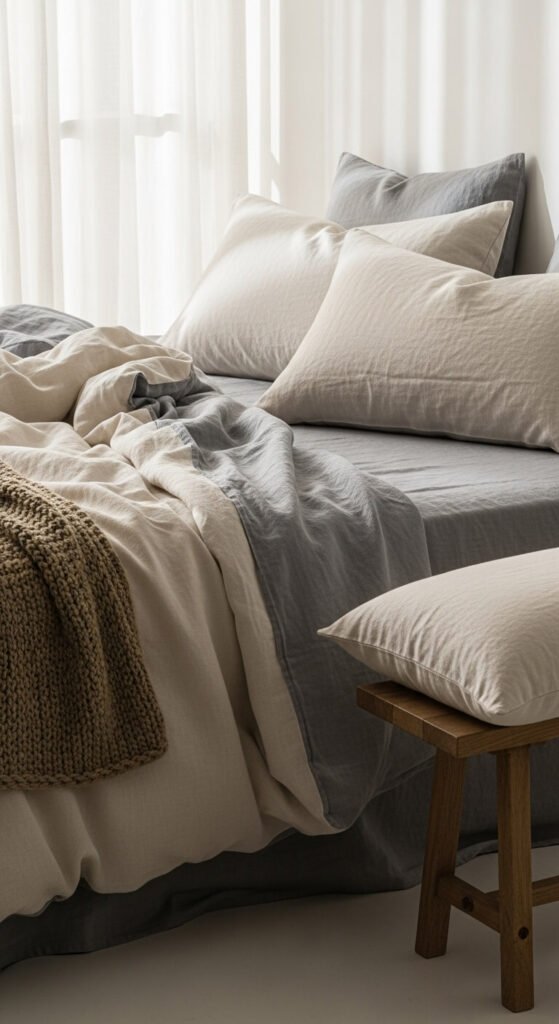
Nothing says coastal living like wrinkled linen fabric. Embrace the natural creases—they’re part of the charm.
Choose linen curtains, throw pillows, and bedding in neutral tones. The fabric breathes well and gets softer with each wash. Skip the iron entirely. Buy linen by the yard from fabric stores and hem your own curtain panels with fabric glue or simple stitching. Layer different linen weights and colors for depth. Oatmeal, sand, and fog gray work beautifully together. Linen slipcovers transform old furniture instantly. The relaxed drape creates that lived-in beach house feel without trying too hard.
Bring in Oversized Woven Baskets

Seagrass and jute baskets solve storage problems while adding organic texture. They work in every room.
Stack different sizes for visual interest. Use large ones for extra blankets or beach towels. Smaller versions corral magazines, toys, or firewood. Shop home goods discount stores where baskets cost $15-30 instead of designer prices. The natural fiber adds warmth against white walls. Leave them empty or filled—both looks work. Handles make them portable for quick tidying. Group odd numbers together for better composition. The woven patterns bring handmade quality that feels collected over time rather than bought all at once.
Install Shiplap Accent Walls
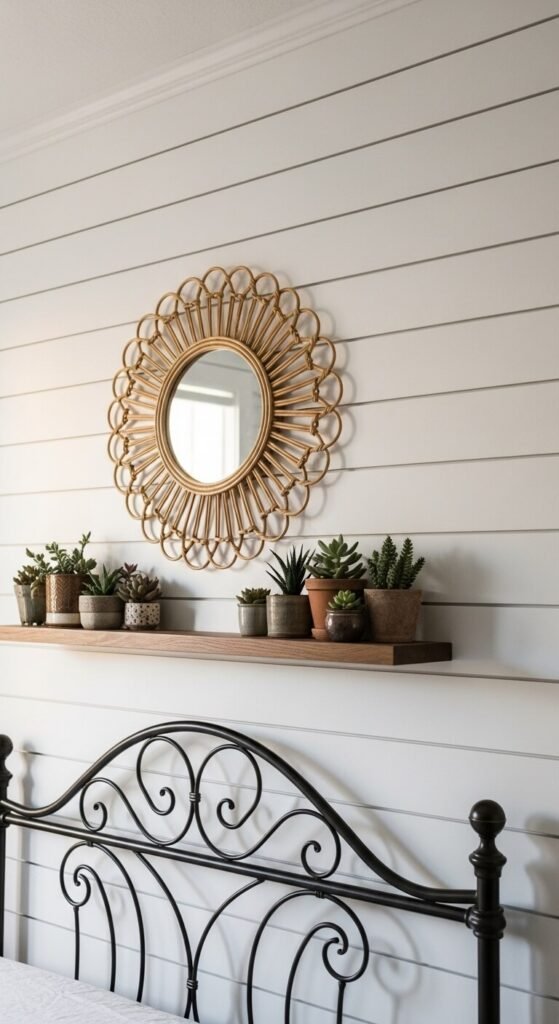
Horizontal planking creates instant coastal architecture. Real shiplap costs less than you think when you DIY.
Buy tongue-and-groove pine boards at home improvement stores. Paint them white before installation to save time. Use a nickel as a spacer between boards for consistent gaps. Install directly over drywall with a nail gun or construction adhesive. One accent wall makes more impact than doing the whole room. The horizontal lines make spaces feel wider. Paint in matte or eggshell finish to avoid too much shine. This project takes a weekend and costs around $150-200 for a standard bedroom wall.
Choose Soft Blue-Gray Paint Colors

The right wall color sets your coastal foundation. Weathered blue-grays mimic overcast skies and calm seas.
Test samples in your actual lighting before committing. Names like “Sea Salt,” “Rainwashed,” or “Gray Mist” point you toward coastal shades. These colors shift throughout the day, appearing more blue or gray depending on natural light. Pair with crisp white trim for definition. One gallon covers a small room and costs $30-40. The muted tones create a soothing backdrop that won’t compete with your decor. Stay away from bright turquoise or navy—those read more nautical than modern coastal.
Add Natural Fiber Rugs
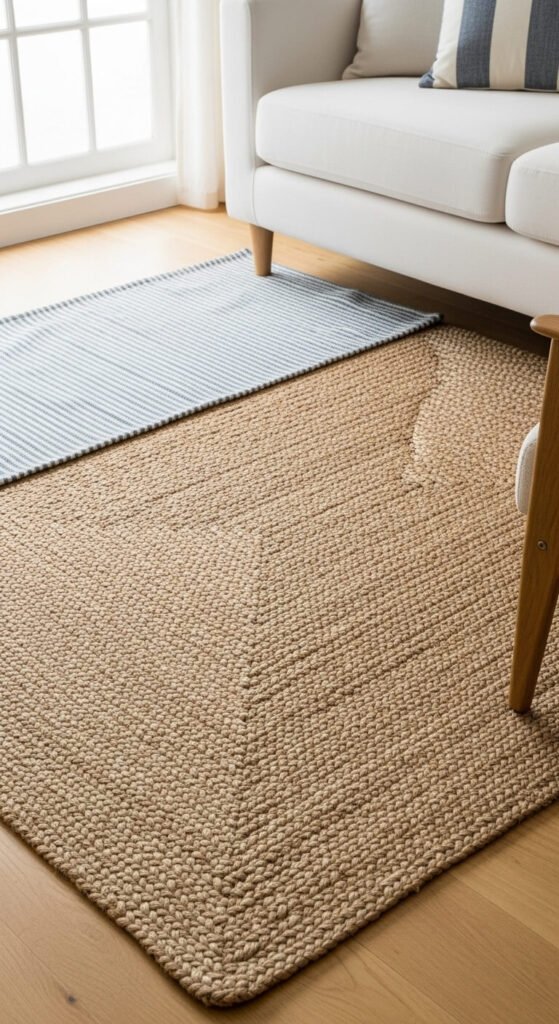
Ground your space with jute or sisal rugs. The rough texture balances soft furnishings perfectly.
These natural fiber rugs handle high traffic areas and hide dirt well. Layer a smaller patterned rug on top for extra comfort and style. Big box stores sell 8×10 jute rugs for $100-150. The neutral tone works with any color scheme. Expect some shedding initially—vacuum regularly for the first month. Add a rug pad underneath to prevent slipping. The organic material brings outdoor elements inside. Avoid using in bathrooms or kitchens where water might cause mildew. Clean spots with mild soap and water, blotting immediately.
Display Collections of White Ceramics

Group white pottery and dishes for subtle impact. The monochrome collection feels curated, not cluttered.
Hit thrift stores and yard sales to build your collection over time. Mix glossy and matte finishes for variety. Different shapes and sizes create visual interest while the unified color keeps things calm. Display on open shelves or in glass-front cabinets. Leave some breathing room—don’t pack shelves tight. White ceramics reflect light and brighten dark corners. Use them as vases, planters, or just decorative objects. The imperfect, handmade pieces tell better stories than perfect store-bought sets. Budget $2-8 per piece secondhand.
Hang Sheer White Curtains

Breezy window treatments filter light without blocking it completely. Sheer panels create that airy beach house feeling.
Hang curtain rods close to the ceiling to make rooms feel taller. Let panels puddle on the floor for a relaxed look. Buy inexpensive sheers and hem them yourself if needed. Layer with heavier linen drapes for privacy at night. White or cream sheers work everywhere. The fabric softens hard edges and adds movement when windows are open. Mount rods several inches wider than windows so curtains can be pulled fully aside. This simple change costs under $50 per window but transforms the entire space.
Incorporate Driftwood and Branches

Collect weathered wood from beaches or lakeshores for free decor. Each piece is unique art.
Clean driftwood thoroughly and let it dry completely before bringing indoors. Display large pieces as standalone sculptures. Use smaller branches in tall vases like you would flowers. Driftwood mirrors and picture frames add organic edges to walls. Drill small holes to create driftwood towel racks or curtain rods. The silvery-gray tones complement any coastal palette. Hang a substantial piece above the mantel as a statement. Arrange several pieces of varying heights on shelves. The irregular shapes break up straight lines and add natural movement.
Select Furniture with Exposed Wood Frames

Look for clean-lined pieces where wood structure shows. The exposed frames feel less heavy than fully upholstered furniture.
This style works for sofas, chairs, and benches. The wood-and-fabric combo keeps things light and open. Choose pale woods like oak, ash, or maple for coastal appeal. Reupholster dated pieces with this frame style in fresh white or neutral fabric. The DIY approach costs $100-200 in supplies versus $800+ for new furniture. Simple lines read modern rather than traditional. The visible wood adds warmth without dark, heavy tones. Clean frames show off beautiful joinery and honest construction.
Use Glass Bottles and Jars as Vases

Repurpose clear and colored glass containers instead of buying expensive vases. The random collection looks intentionally casual.
Save wine bottles, olive oil jars, and old milk bottles. Remove labels with hot water and scrubbing. Fill with single stems or small bouquets. The different heights create dimension on mantels or tables. Blue and green glass tints work best for coastal vibes. Group odd numbers—three or five bottles together. Leave some empty to let light shine through. This costs nothing and reduces waste. Tie twine or rope around necks for extra texture. Switch out flowers with the seasons or use dried grasses year-round.
Paint Furniture in Soft Aqua or Seafoam
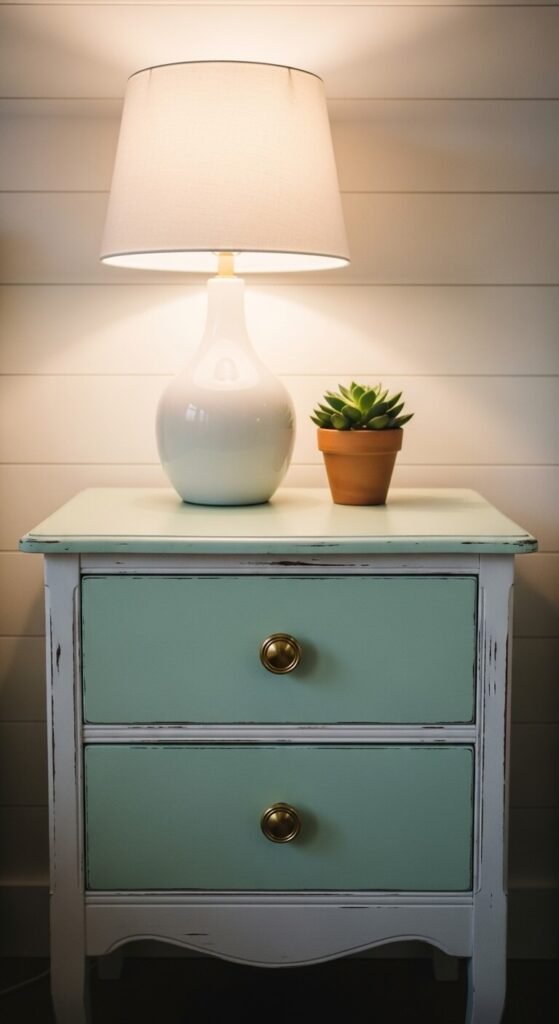
Give old furniture new life with muted blue-green paint. The color adds personality without overwhelming your space.
Choose chalky-finish paints that don’t require sanding or priming. Test on a hidden area first. Apply two thin coats rather than one thick coat. Lightly distress edges with fine sandpaper for a worn look. This works on dressers, side tables, or wooden chairs. The soft color feels beachy but still sophisticated. Pair painted pieces with natural wood to avoid a theme-park effect. One painted accent piece per room hits the right balance. Quart-size paint cans cost $15-20 and cover several small furniture pieces.
Create Gallery Walls with Simple Frames

Build affordable art walls using inexpensive frames and printables. The cohesive framing ties different images together.
Buy basic frames from discount stores—stick to white, natural wood, or black for consistency. Download and print coastal images, or frame fabric swatches, book pages, or your own photos. Arrange on the floor before hanging to test layouts. Keep spacing consistent between frames. The repetition of matching frames creates calm rather than chaos. This project costs $50-100 for 6-8 frames plus prints. Swap out images seasonally without buying new frames. Leave some breathing room—don’t cover every inch of wall space.
Bring in Live Greenery and Grasses

Plants add life and air quality while staying on theme. Tropical and grass varieties feel appropriately coastal.
Fiddle leaf figs, snake plants, and pothos thrive indoors with minimal care. Buy small plants and let them grow—the patience saves money. Pampas grass and sea oats (dried) add height without maintenance. Group plants in odd numbers for better visual weight. White or terra cotta pots keep the look cohesive. Most grocery stores sell houseplants for $10-20. The organic shapes soften hard furniture edges. Plants bring movement and changing shadows throughout the day. Mist occasionally to increase humidity.
Install Open Shelving in the Kitchen

Replace upper cabinets with floating shelves to open up the space. The airy storage feels modern and accessible.
This works best on one wall rather than the entire kitchen. Display everyday dishes so the shelves stay functional, not just pretty. Mix in cutting boards, glass jars of pantry items, and small plants. Keep the styling minimal—too many objects create visual clutter. Buy pre-cut shelving boards and basic brackets at hardware stores. Install into studs for proper support. The project takes a few hours and costs $30-50 per shelf. Paint shelves white or leave wood natural. This change makes small kitchens feel dramatically larger.
Choose Rope Accents and Hardware

Natural fiber rope adds maritime touches without going overboard. Use it sparingly for maximum impact.
Wrap rope around mirrors, picture frames, or stair rails with hot glue. Replace cabinet pulls with rope knots threaded through existing holes. Create rope towel holders or curtain tiebacks. Buy basic manila or jute rope by the foot at hardware stores—very budget-friendly. The texture adds dimension and ties into other natural materials. Don’t combine rope with anchors, life preservers, or ship wheels. The rope alone suggests coastal living without being literal. Seal cut ends with clear nail polish to prevent fraying.
Layer Different Shades of White
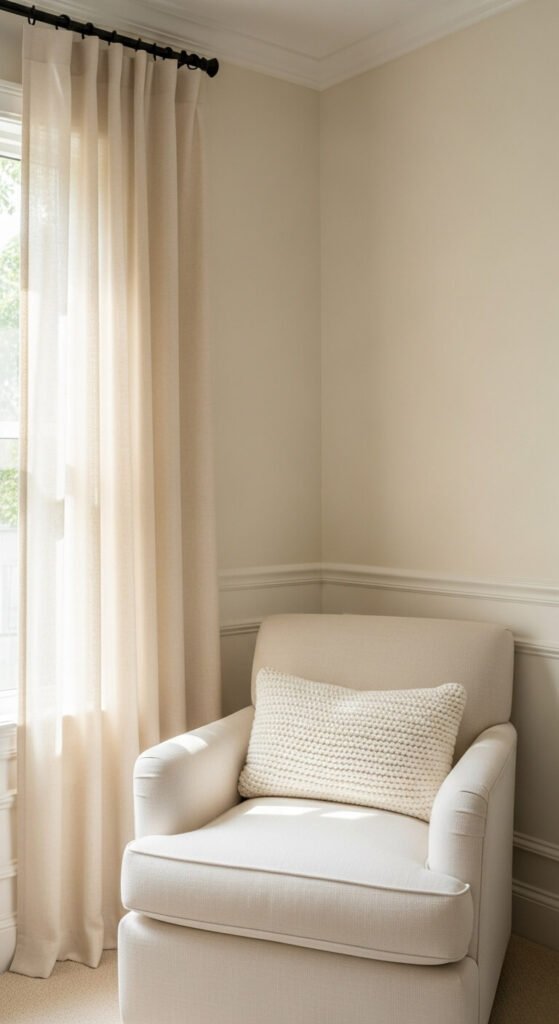
All-white spaces need varied tones to avoid looking sterile. The layering creates warmth and sophistication.
Combine cool whites (with blue undertones) and warm whites (with yellow or cream undertones). Use bright white for trim and architectural details. Choose softer whites for walls and fabrics. The contrast adds depth without introducing color. Paint samples on large boards and view them together before committing. Texture becomes more important when color is limited—mix smooth, rough, matte, and glossy whites. This approach costs the same as using one white but delivers far better results. The subtle variations feel intentional and considered.
Add Striped Textiles

Classic stripes suggest beach umbrellas and sailboats without hitting you over the head. Mix different stripe widths for variety.
Navy and white stripes anchor the look, but gray, tan, or blue work too. Use on pillows, throws, rugs, or window treatments. The pattern adds visual interest to neutral spaces. Buy striped fabric by the yard to make your own pillow covers—much cheaper than pre-made. Pair with solid pieces to balance the pattern. Too many stripes create chaos, so limit to 2-3 striped items per room. The linear pattern guides the eye and creates rhythm. Choose cotton or linen fabrics to maintain the casual coastal feeling.
Display Coral and Sea Treasures Sparingly

Real coral and sea fans work as organic sculpture when displayed thoughtfully. Less is always more.
One beautiful piece beats a collection of random shells. Display coral on pedestals, under cloches, or on simple stands. Avoid arranging shells in bowls or jars—the look reads dated. Choose sculptural pieces with interesting shapes and textures. White or bleached coral blends with your palette while adding natural interest. Buy from ethical sources that don’t harm reef ecosystems. The irregular forms contrast nicely with straight furniture lines. Keep displays simple—one coral piece per surface. Dust regularly to maintain the clean look. This approach feels collected and curated rather than theme-park coastal.
Install Ship Lap Ceiling Treatments

Take shiplap vertical by applying it to ceilings instead of walls. The unexpected placement feels special and custom.
This works particularly well in bedrooms or porches. The horizontal lines make rooms feel wider. Use the same installation method as wall shiplap but expect more neck strain. Paint white to keep ceilings from feeling heavy. The texture catches light beautifully throughout the day. This project costs more in effort than materials—around $200-250 for a standard bedroom ceiling. Pair with simple light fixtures so the ceiling treatment remains the focus. The upgrade adds serious character and cottage appeal without permanent structural changes.
Choose Slipcovered Upholstery

Washable slipcovers bring coastal practicality to upholstered pieces. The casual fit looks intentionally relaxed.
Buy pre-made slipcovers to fit your furniture dimensions, or sew custom covers from canvas or cotton duck fabric. White and natural colors work best. The slightly loose fit creates that beachy, lived-in vibe. Machine wash when needed—the easy care reduces stress about spills and stains. Slipcovers transform outdated furniture instantly without reupholstery costs. Leave the bottom edge unhemmed for maximum casual appeal. The washable aspect makes this style practical for real family living. Replace covers seasonally or as they wear. Expect to spend $100-300 for ready-made sofa slipcovers.
Incorporate Wicker and Rattan Furniture

Woven furniture adds texture and tropical warmth. The natural materials connect to coastal environments.
Look for secondhand wicker at estate sales and thrift stores—clean with soap and water, then spray paint white if desired. Natural honey tones work beautifully too. Wicker chairs, side tables, and headboards bring organic appeal. The open weave feels light and doesn’t block visual space. Add cushions for comfort and color. Mix wicker with upholstered pieces to avoid a full patio look. The handwoven quality adds artisan character. Expect to pay $30-80 for vintage pieces versus $300+ for new. The material works indoors year-round despite its outdoor associations.
Use Nautical Blues Strategically

Navy and deep blue anchor coastal palettes when used with restraint. Think accent color, not main event.
Limit navy to one or two pieces per room—a chair, pillows, or artwork. The dark blue grounds all the whites and neutrals. It suggests deep water without tropical brightness. Pair with brass or gold hardware for sophistication. Navy works in rugs, window treatments, or book covers displayed on shelves. The color adds necessary weight to prevent spaces from feeling too light and floaty. Buy navy items from discount home stores where accent pillows cost $15-25. The strategic placement creates visual anchors that help organize the whole room.
Add Ambient Lighting with Natural Materials

Lighting shapes the mood in coastal spaces. Woven shades and organic materials diffuse light beautifully.
Replace basic light fixtures with rattan pendants, rope-wrapped lamps, or driftwood-base fixtures. The natural materials cast interesting shadows and patterns. Layer different light sources—overhead, table lamps, and candles—for flexibility. Warm white bulbs (2700-3000K) create cozier atmosphere than cool white. Shop discount lighting stores where pendant fixtures run $40-80. The woven textures add dimension while providing functional light. Install dimmer switches to adjust mood from bright and energetic to soft and relaxing. The right lighting makes all your other coastal elements look better.
Create Window Seats with Built-In Storage

Window nooks maximize small spaces while adding character. The built-in storage solves practical problems.
Build a simple platform bench between walls or under a window using basic lumber. Create a hinged top for hidden storage inside. Add a foam cushion cut to size and covered in weather-resistant fabric. Pile on pillows for comfort. This DIY costs $100-150 in materials plus your labor. The reading nook becomes the room’s favorite spot. Store extra linens, off-season clothes, or beach gear inside. Paint the structure white to match trim. The custom element adds value and cottage charm that can’t be bought ready-made.
Conclusion
Modern coastal style works because it’s grounded in simplicity, natural materials, and calming colors that make any space feel like a retreat. You don’t need a beach house or designer budget to capture this look—start with white walls, add weathered wood, layer soft textiles, and bring in organic textures. Each small change builds toward that serene, breezy atmosphere you’re after. Pick three or four ideas from this list and start there. Your home will feel fresher and more relaxed without looking like a nautical theme park. The beauty of coastal design is its flexibility—adapt these touches to fit your space, your budget, and your own definition of seaside serenity.