Imagine waking up in a space that feels like a warm hug from nature itself. Cottagecore bedrooms bring together vintage charm, natural textures, and handmade touches to create rooms that feel both timeless and deeply personal. This aesthetic celebrates simplicity, sustainability, and the beauty of imperfection. Whether you’re working with a tiny apartment corner or a spacious master suite, these ideas will help you craft a bedroom that feels like an escape to the countryside. Let’s transform your space into the cozy sanctuary you’ve been dreaming about.
Layer Vintage Linens and Quilts
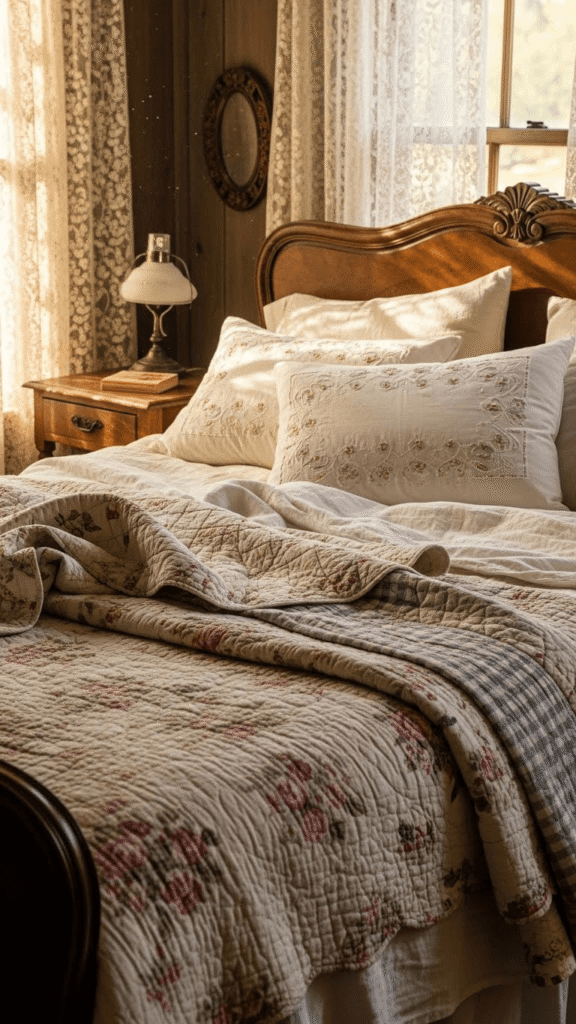
Start with your bed as the room’s focal point. Hunt for vintage quilts at thrift stores or estate sales—they’re often $10-30 and add instant character. Mix patterns freely: pair floral with gingham, stripes with embroidery. The beauty lies in the lived-in look.
Layer a white duvet base, then add two or three quilts in different sizes. Fold one at the foot of the bed, drape another across the middle. This creates depth and texture without spending much.
Wash everything in cold water to preserve the fabrics. Don’t worry about perfect matching. The goal is creating a collected-over-time feel that looks effortlessly cozy.
Hang Dried Flowers from Exposed Beams

Dried flowers bring nature indoors and cost almost nothing if you grow or forage them. Gather lavender, baby’s breath, eucalyptus, or wildflowers. Tie small bunches with twine and hang them upside down from beams, curtain rods, or ceiling hooks.
This works even in rooms without beams. Install simple wooden dowels or use command hooks on the ceiling. Space bunches 12-16 inches apart for a floating garden effect.
The flowers will fade over months, creating softer, more muted tones. Replace them seasonally or leave them for that authentic aged look. Bonus: lavender naturally freshens your space.
Add a Weathered Wooden Ladder

Old wooden ladders make perfect display pieces. Find them at flea markets for $15-40. Look for paint-chipped, slightly wobbly ones—that imperfection adds charm.
Lean the ladder against a wall near your bed or in a corner. Drape quilts, throw blankets, or vintage scarves across the rungs. Hang baskets or dried flowers from the steps.
You can also use it as a nightstand alternative. Place books or a small plant on one rung. Sand it lightly if splinters are an issue, but keep the weathered finish. Paint isn’t necessary—raw wood patina tells a better story.
Create a Reading Nook with Floor Cushions

Floor seating brings that relaxed, bohemian cottage vibe. Make your own cushions by stuffing canvas drop cloth covers with old pillows or cheap poly-fill. Each cushion costs $5-10 to DIY.
Stack two or three cushions in a corner with good natural light. Add a small side table made from a wooden crate or tree stump. Keep your current reads nearby in a wicker basket.
Drape a chunky knit blanket over the pile. This spot becomes your sanctuary for morning coffee or evening journaling. The low seating feels grounded and intimate, perfect for unwinding.
Install Sheer Linen Curtains
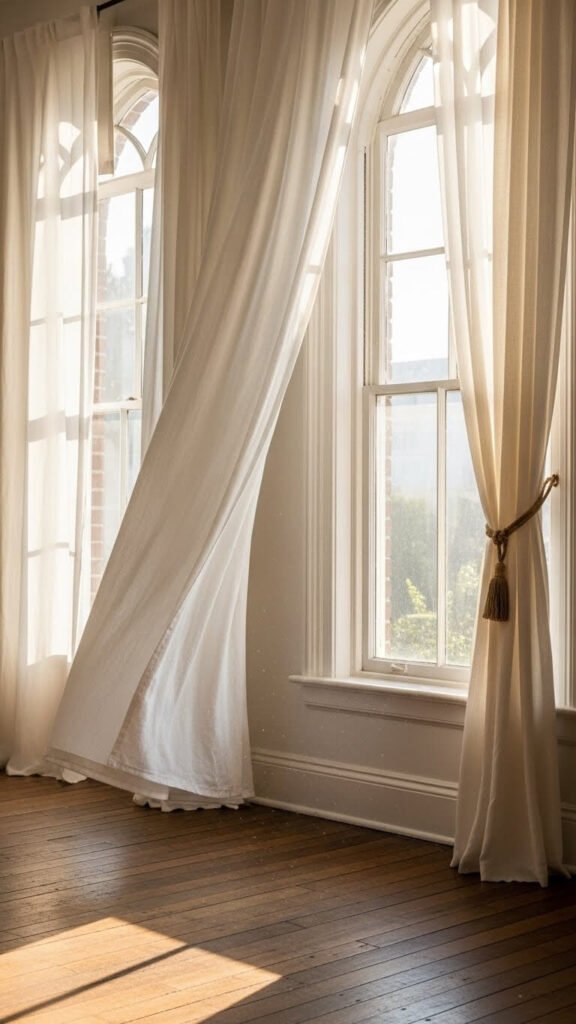
Light, flowing curtains soften any bedroom instantly. Skip heavy drapes and choose linen or cotton voile panels. Measure your windows and buy fabric by the yard—often cheaper than pre-made curtains.
Hang them higher than the window frame and let them puddle slightly on the floor. This makes ceilings appear taller. Choose cream, white, or soft gray for that airy cottage feel.
You can make simple rod-pocket curtains with basic sewing skills or use clip rings for a no-sew option. Leave them open during the day to maximize natural light. The gentle movement creates a peaceful, breathing quality in your room.
Display Antique Mirrors with Ornate Frames

Vintage mirrors add romance and make small spaces feel larger. Search estate sales for ornate frames in gold, bronze, or distressed white. Prices range from $20-60 for beautiful pieces.
Don’t hang them perfectly straight—lean a large mirror against the wall on your dresser or floor. This casual placement feels more collected than decorated. Smaller mirrors can cluster on one wall in a gallery arrangement.
Tarnished glass and chipped frames are assets, not flaws. They catch and reflect candlelight beautifully. If you find a mirror with a damaged frame, embrace it or lightly touch up with chalk paint.
Incorporate Wicker and Rattan Furniture
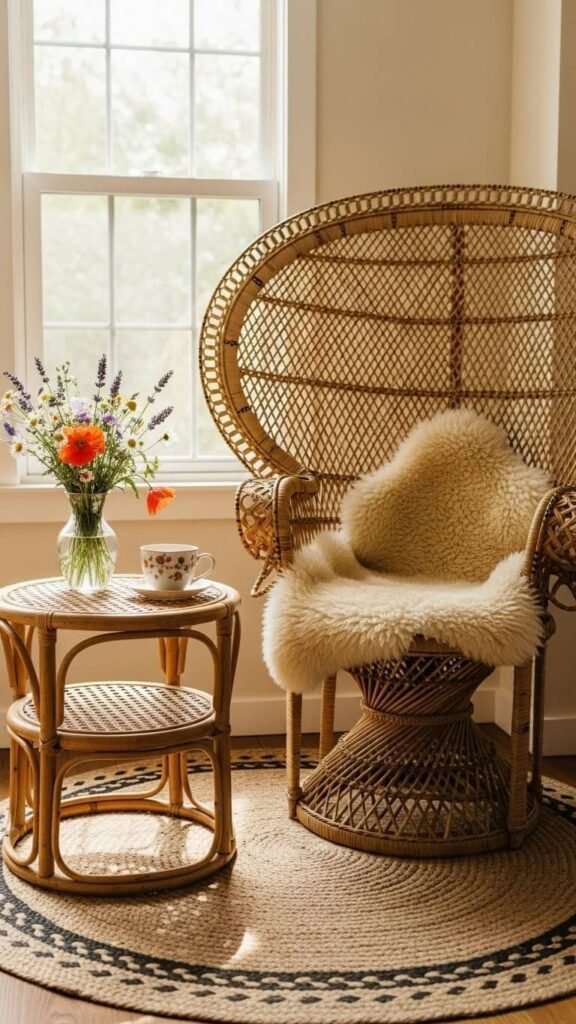
Wicker pieces bring texture and warmth without heaviness. Hunt for chairs, baskets, or small tables at thrift stores. A single wicker chair can anchor your reading nook for $25-50.
Look for natural tones rather than painted pieces—or strip paint off yourself with sandpaper. Wicker pairs beautifully with soft textiles. Add a sheepskin or knit cushion to make a chair more comfortable.
Use wicker baskets to hide modern necessities like charging cords or extra blankets. Stack different sizes in corners. The organic material keeps your space feeling connected to nature while solving storage problems.
Style Open Shelving with Vintage Books

Books add instant coziness and personality. Arrange them by color for a soft gradient effect, or stack them horizontally for a more casual look. Mix in small decorative objects every few books.
Thrift store books with cloth covers (common in older editions) work best. Choose muted colors: sage green, dusty rose, cream, tan. These usually cost 50 cents to $2 each.
Alternate between vertical and horizontal stacks. Place a small plant, candle, or ceramic piece on top of horizontal stacks. Leave some empty space—shelves shouldn’t feel crowded. This curated imperfection creates that collected-over-time aesthetic.
Use Mason Jars for Fresh Wildflowers
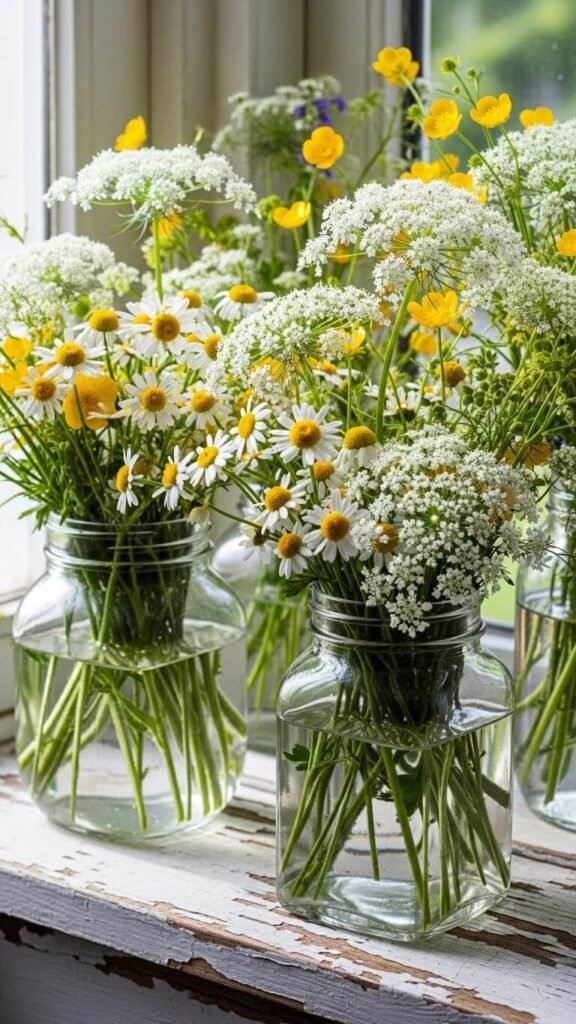
Fresh flowers don’t require expensive vases. Collect mason jars, old milk bottles, or vintage glass containers. Fill them with whatever’s blooming—even dandelions and clover look charming.
Gather flowers from your yard, a farmer’s market, or grocery store bunches split into smaller arrangements. Change the water every few days to keep them fresh. Group three or five jars together on your nightstand or dresser.
When flowers fade, leave the dried stems for a week or two before replacing them. This relaxed approach to florals feels more authentic than perfectly maintained arrangements. The constantly changing displays keep your room feeling alive.
Add a Vintage Vanity or Writing Desk
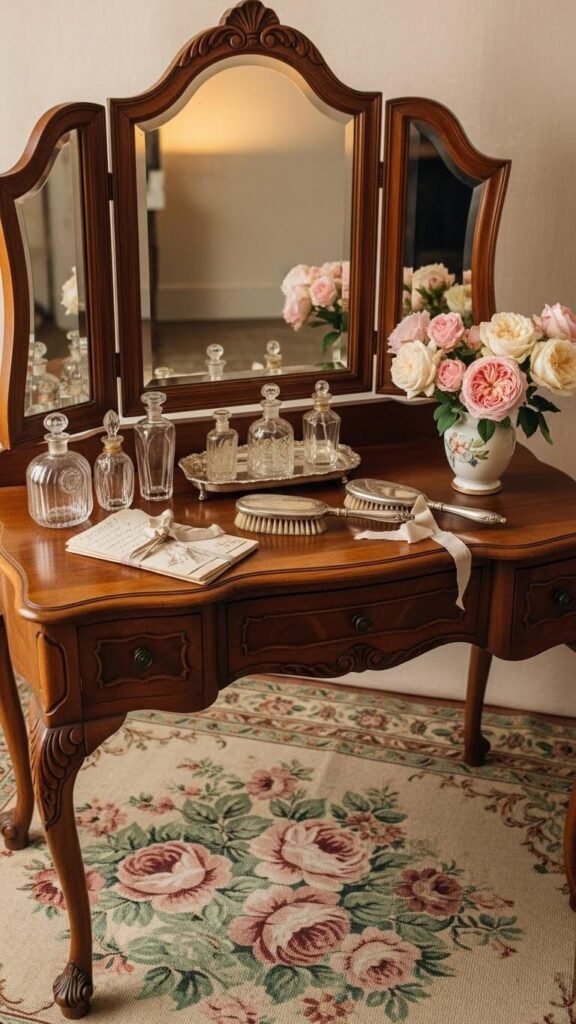
A small desk or vanity creates a dedicated space for morning routines or journaling. Look for wood pieces with drawers at estate sales. Expect to spend $50-150 for solid furniture that lasts decades.
Don’t worry about scratches or water rings—they add character. Place a vintage mirror above it or use a standing tabletop mirror. Style the surface with glass bottles, a ceramic dish for jewelry, and a small plant.
Paint isn’t necessary, but if you want a refresh, try milk paint for that authentic aged finish. Keep the surface functional but beautiful—this space should inspire you to slow down each morning.
Drape String Lights or Lanterns

Soft lighting transforms the mood instantly. Choose warm white LED string lights over cool white. Drape them along the wall above your bed or around a window frame.
Battery-operated copper wire lights work well for areas without outlets. They cost $10-15 and last months on one set of batteries. Weave dried flowers or eucalyptus through the lights for added texture.
Vintage-style lanterns with LED candles create safe, flickering light on nightstands or shelves. The key is layering multiple light sources at different heights. Overhead lights should be your last choice for cottagecore ambiance.
Choose Floral Wallpaper or Wall Tapestries
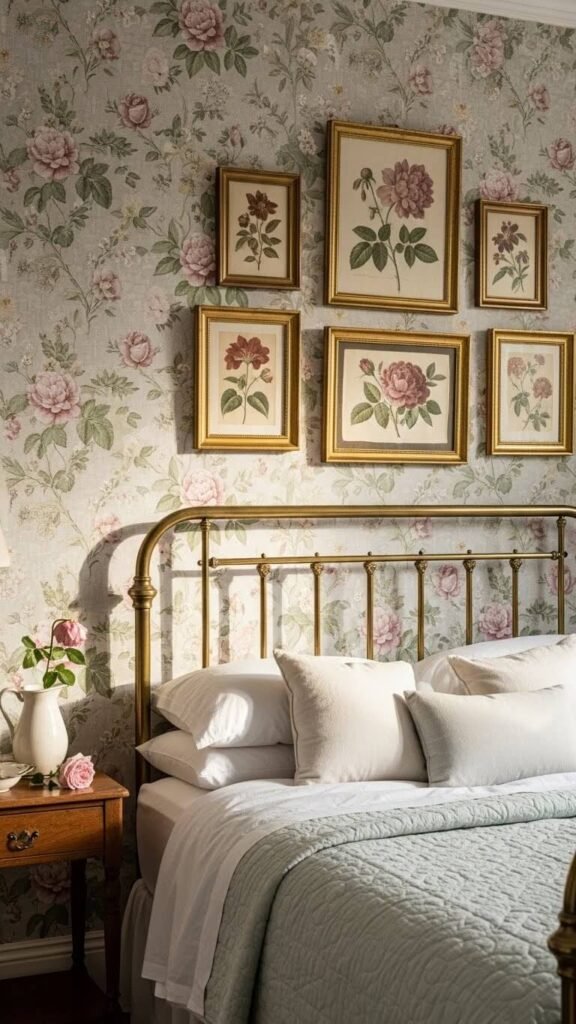
Wallpaper creates instant atmosphere. Choose one accent wall to avoid overwhelming the space. Look for small-scale vintage florals, toile patterns, or botanical prints in soft colors.
Peel-and-stick wallpaper makes this a renter-friendly option. Expect to spend $30-50 per roll. Alternatively, hang a large vintage tapestry or embroidered fabric panel using a wooden dowel and twine.
If wallpaper feels too permanent, try painting one wall a soft sage, dusty pink, or cream color. Add botanical prints in mismatched frames above your bed. The goal is creating a focal point that draws the eye without demanding attention.
Incorporate Natural Wood Headboards

A wooden headboard grounds your bed and adds warmth. Make one yourself with fence pickets ($3-5 each) or reclaimed wood from salvage yards. Sand edges smooth but keep the weathered finish.
Attach planks side-by-side to a backing board, then mount to the wall or attach to your bed frame. Total cost runs $30-60 for a queen size. No tools? Lean a large vintage door or wooden shutters behind your bed instead.
Leave wood natural or whitewash it for a softer look. The grain and knots create organic visual interest. This becomes your room’s anchor piece—substantial but simple.
Style with Ceramic and Stoneware Pieces

Handmade pottery adds artisan quality to your space. Visit local craft fairs or pottery studios for unique pieces. A single beautiful vase costs $15-40 and becomes a room focal point.
Arrange pieces in odd numbers on dressers or shelves. Mix shapes and sizes: a tall pitcher next to a low bowl, a round vase beside a square planter. Choose earthy glazes in cream, sage, terracotta, or soft blue.
Use these pieces functionally—hold flowers, store hair ties, keep rings by the sink. The slightly irregular shapes and glazes show the maker’s hand, which aligns perfectly with cottagecore’s celebration of handcraft.
Create Texture with Macramé Wall Hangings

Macramé adds soft, dimensional texture to walls. Buy a finished piece for $30-80, or learn basic knots and make your own with cotton cord. YouTube tutorials make this accessible for beginners.
Hang a large piece above your bed as an alternative to a traditional headboard. Smaller pieces work beside windows or above a dresser. The natural cotton fiber and flowing fringe create movement and warmth.
Combine macramé with dried flowers by tucking stems into the knots. This layering of handmade elements builds the cottagecore aesthetic. Choose pieces with natural wood or driftwood dowels rather than painted ones.
Build Window Boxes for Fresh Herbs

Window boxes bring living greenery right to your view. Build simple boxes with fence boards or buy ready-made ones for $20-40. Mount them outside your window or on a deep interior sill.
Plant herbs like lavender, thyme, rosemary, or chamomile. They smell wonderful when the breeze blows in. Water weekly and trim regularly to encourage growth.
Can’t install outside? Use a long planter box on your windowsill instead. The living plants change with seasons, keeping your view dynamic. Snip herbs for tea or to bundle and dry—connecting you to simple, traditional practices.
Layer Textured Rugs Over Wood Floors

Rugs define spaces and add crucial warmth underfoot. Start with a large, affordable jute or sisal rug as a base layer. Add a smaller vintage rug on top for pattern and color.
Thrift stores often have wool rugs for $30-70 in traditional patterns. Don’t worry about perfect condition—wear and faded colors enhance the vintage feel. Overlap rugs at angles rather than centering them perfectly.
This layering technique works especially well in rentals where you can’t change flooring. The textural contrast between rough jute and soft wool creates depth. Anchoring your bed and nightstands on the rugs defines your sleeping area.
Display Vintage Frames with Botanical Prints

Create your own botanical gallery wall with thrifted frames. Buy frames separately for $2-10 each, choosing different sizes and finishes. The mismatch creates collected charm.
Print botanical illustrations from public domain sources online (free) or press flowers yourself between books and frame them. Mix frame orientations—some vertical, some horizontal, some square.
Hang frames without measuring perfectly. Start with the center piece and work outward organically. Leave some uneven spacing. This imperfect arrangement feels personal and evolving, like you’ve been collecting these pieces for years.
Use Vintage Suitcases for Storage

Old suitcases solve storage while adding character. Stack two or three as a nightstand alternative. Store off-season clothes, extra blankets, or keepsakes inside.
Find them at thrift stores for $10-25 each. Choose leather or cloth-covered cases in warm tones. Scratches, scuffs, and faded travel stickers make them more appealing.
A single large suitcase can slide under your bed for hidden storage. Place a smaller case on top of your dresser to hold jewelry or accessories. The vintage travel aesthetic connects to cottagecore’s romantic view of simpler times.
Add a Canopy with Sheer Fabric

A canopy creates an intimate, dreamy sleeping space. Install a ceiling hook above your bed’s center and drape sheer fabric over it, letting it fall on both sides.
Use affordable muslin, cheesecloth, or cotton voile. You’ll spend $15-30 for enough fabric. Alternatively, mount a wooden dowel or embroidery hoop to the ceiling and drape fabric over it.
Tie back the fabric with ribbons during the day. This works especially well in rooms with high ceilings, drawing the eye upward. The gentle draping creates privacy and romance without blocking light.
Style Nightstands with Vintage Alarm Clocks
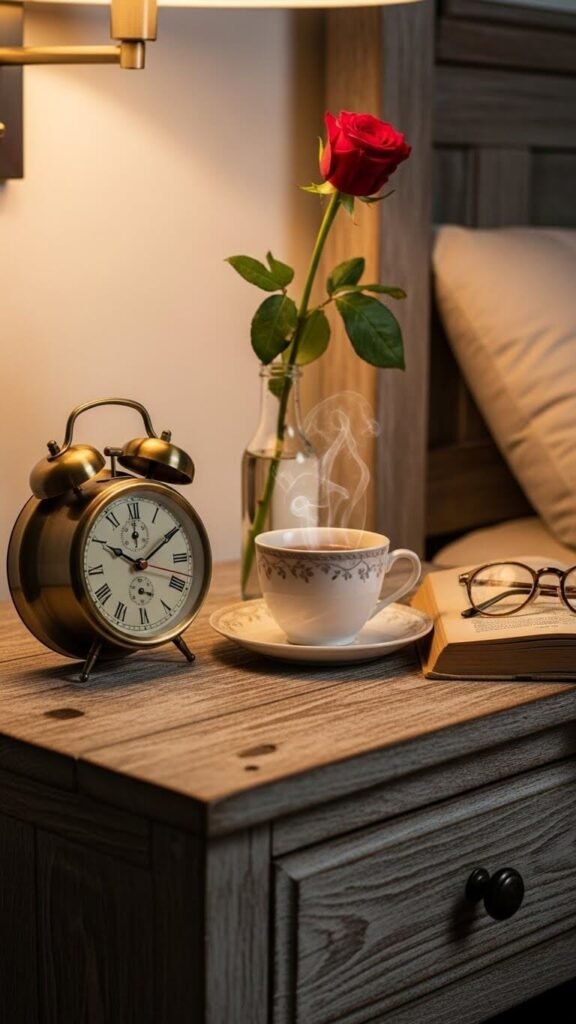
Functional vintage items blend practicality with aesthetic. Battery-operated replica vintage clocks cost $15-30 and work reliably. True antiques may need rewinding but add authentic charm.
Keep nightstand styling minimal. Pair your clock with one small plant, a book, and a simple lamp. Avoid clutter—cottagecore celebrates simplicity.
Choose metal finishes like brass, copper, or brushed steel. Round clock faces feel softer than digital rectangles. The ticking sound can be soothing, though many replicas run silently. This small detail reinforces the slower pace cottagecore embraces.
Incorporate Handmade Quilts as Wall Art

Quilts don’t just belong on beds. Hang one as a textile headboard or wall tapestry. Find vintage quilts at estate sales for $40-100. Stains or small holes won’t show from a distance.
Mount a quilt using a decorative ladder leaning against the wall, or sew a sleeve on the back and slide it onto a wooden dowel. This protects the fabric better than tacks or nails.
The handmade nature of quilts—visible stitching, slight imperfections—celebrates traditional craft. Each quilt tells a story through its fabric choices and pattern. Rotating quilts seasonally keeps your room feeling fresh.
Create a Tea Corner with Vintage China

A dedicated tea space encourages daily rituals. Collect mismatched teacups and saucers from thrift stores for $1-3 each. Display them on a small shelf or vintage tray near your window.
Add a kettle (electric or stovetop), loose tea in vintage tins, and a small plate for biscuits. This becomes your morning or evening sanctuary.
The variety of floral patterns creates visual interest without feeling chaotic. Using these pieces daily prevents them from being mere decoration. This practice connects you to the slower, more intentional pace that cottagecore celebrates.
Use Brass and Copper Accents

Metal accents in warm tones add elegance without feeling formal. Look for brass candlesticks, copper planters, or bronze picture frames at estate sales. These items develop a natural patina over time.
Don’t polish them to a shine—tarnish creates depth and age. Place brass pieces where light catches them: on windowsills, bedside tables, or shelves. A few well-placed items prevent the look from feeling too sweet or cluttered.
Mix metals freely. A brass lamp beside a copper vase works beautifully. These traditional materials reference cottage life before plastic, connecting your modern space to historical simplicity.
Install Picture Ledges for Rotating Displays

Picture ledges offer flexibility that traditional frames don’t. Install simple wooden shelves 4-6 inches deep. Lean artwork, photos, and objects against the wall rather than hanging them.
This makes changing your displays easy and seasonal. Swap items whenever inspiration strikes. Mix artwork with small plants, candles, or found objects like pretty rocks or feathers.
Build your own ledges with 1×4 boards and small brackets for under $10 each. Space multiple ledges 12-18 inches apart vertically. The casual leaning arrangement feels more collected and personal than a formal gallery wall.
Choose Furniture with Curved Lines
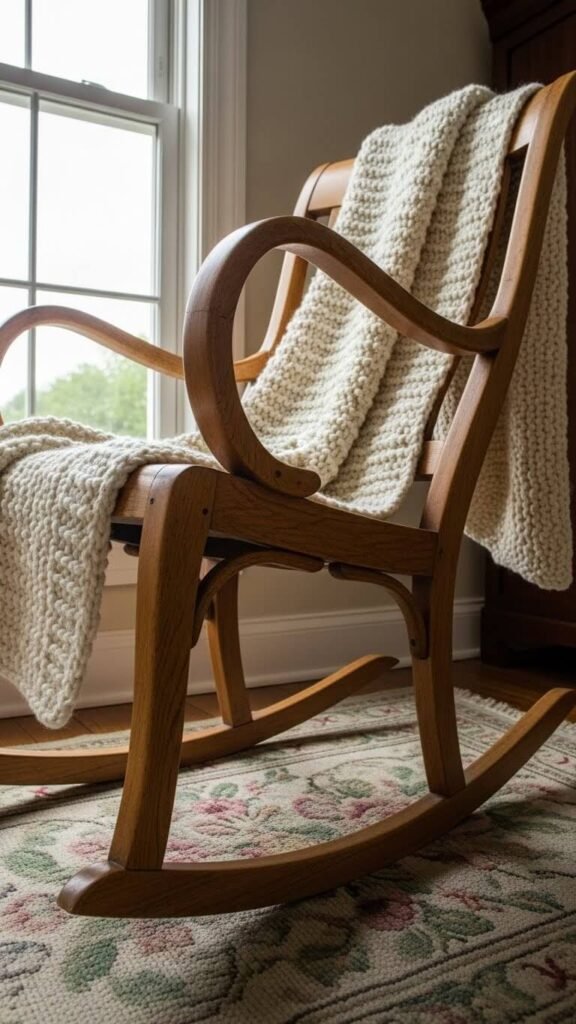
Curved furniture softens bedrooms and creates flow. Look for pieces with rounded edges: a rocking chair, oval mirror, or arched headboard. These shapes feel welcoming rather than rigid.
Bentwood chairs, though pricey when new, appear at thrift stores for $30-70. A single rocking chair in your bedroom creates an instant cozy corner for reading or putting on shoes.
Curves contrast beautifully with straight architectural lines in modern homes. They reference traditional furniture making while preventing your room from feeling too contemporary. The organic shapes echo nature’s lack of hard angles.
Add Personal Touches with Handwritten Elements

Handwriting adds intimacy that printed text can’t match. Frame handwritten recipe cards, old letters, or journal pages. These can be family heirlooms or affordable finds from antique shops.
Create your own by writing favorite poems or quotes in cursive on nice paper. Place them in simple frames or clip them to a string with wooden clothespins above your desk.
The imperfect handwriting celebrates human touch in our digital world. This element makes your space feel genuinely personal rather than styled. Keep a journal on your nightstand to continue this practice daily.
Layer Window Treatments for Depth
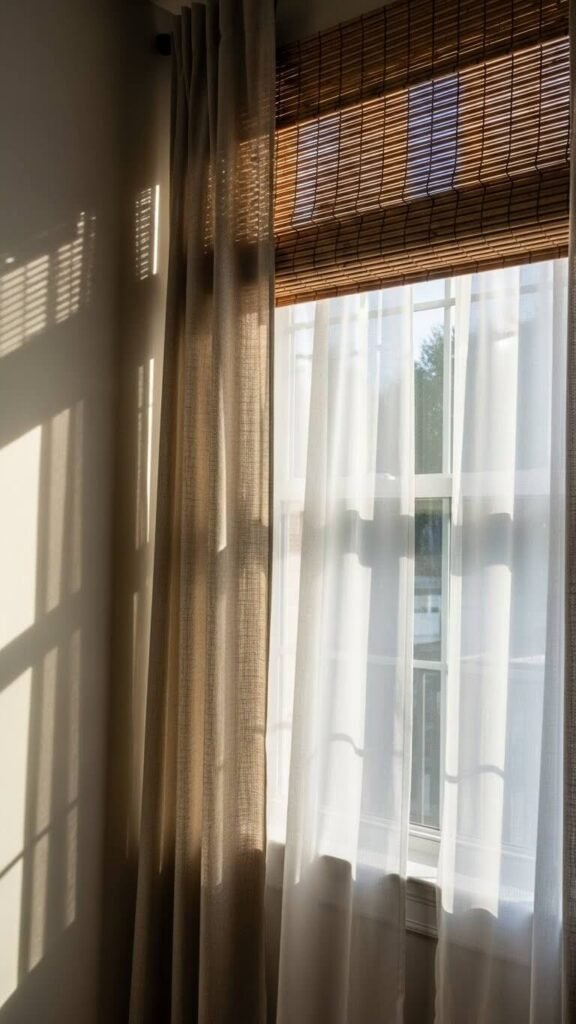
Combining different window treatments creates richness and control over light. Start with sheer curtains closest to the glass. Add heavier linen or cotton panels on top for privacy and darkness.
This layering costs $40-80 total if you sew simple panels yourself. Buy fabric during sales and use basic rod-pocket construction. The dual layers let you adjust light throughout the day.
Consider adding a bamboo or woven wood shade underneath for texture. When everything’s open, you get maximum light. Close layers progressively for afternoon naps or privacy. This flexibility serves function while building visual depth.
Conclusion
Your cottagecore bedroom doesn’t require a complete overhaul or a large budget. Start with one or two ideas that resonate most—maybe dried flowers hanging from your ceiling or a vintage quilt on your bed. Build slowly, hunting for pieces that speak to you at thrift stores and estate sales. The beauty of this aesthetic lies in its imperfection and personal nature. Your room should feel like it’s been loved and lived in, not styled for a magazine. Mix handmade elements with natural materials, add soft lighting, and create spaces that invite you to slow down. Each small change moves you closer to that cozy sanctuary you’re imagining.