Minimalist living rooms strip away the excess and reveal what truly matters: space to breathe, surfaces that stay clear, and furniture that serves a purpose. This design approach creates rooms that feel twice their size and cost half as much to maintain. You’ll spend less time organizing and more time living. The best part? You can transform any cramped, cluttered space into a peaceful retreat using simple swaps, smart storage, and a ruthless editing process. These 28 designs prove that less furniture, fewer decorations, and cleaner lines create homes that reduce stress and increase joy.
Start with an All-White Foundation

Paint every wall white. Choose a warm white like Swiss Coffee or a cool white like Chantilly Lace depending on your light.
White walls make rooms look bigger and brighter. They cost $30 per gallon and you can paint a whole room in one weekend.
Remove crown molding if it’s ornate. Keep baseboards simple. Sand and refinish floors instead of adding rugs.
White reflects natural light and makes your furniture choices matter more. Start here before buying anything new.
Choose One Statement Sofa

Buy one quality sofa instead of a sofa plus loveseat plus chairs. Pick a neutral color like gray, beige, or charcoal.
Look for pieces under $800 at IKEA, Article, or West Elm’s sale section. A simple three-seater works for most rooms.
Skip ornate details. Straight arms and exposed legs create clean lines. Avoid tufting and rolled arms.
One great sofa anchors the room without crowding it. You can always add a single chair later if you truly need more seating.
Embrace Negative Space

Leave empty floor space. Don’t fill every corner with furniture or every wall with art.
Empty space makes rooms feel luxurious. It costs nothing and gives your eyes a place to rest.
Remove one piece of furniture each week until the room feels balanced. You’ll be surprised how little you actually need.
Japanese design calls this “ma” – the space between things. It’s the most affordable luxury you can add to any room.
Install Floating Shelves

Mount two or three floating shelves instead of a bulky bookcase. White or light wood works best.
You can install them yourself for under $50 using a drill and level. Space them 12-15 inches apart.
Display only your favorite books and one or two small objects per shelf. Leave some shelves half-empty.
This keeps storage functional without dominating the wall. You’ll dust less and the room stays open.
Use a Simple Coffee Table

Pick a coffee table with clean lines and no drawers or shelves underneath. Wood or glass works well.
Keep the surface completely clear except when you’re using it. No permanent decorations or stacks of magazines.
Look for tables under $200 at Target, IKEA, or Facebook Marketplace. A simple wooden design lasts decades.
A clear table makes the whole room feel organized. It takes seconds to tidy and shows off your clean floors.
Add One Large Plant

Buy one large plant instead of five small ones. Fiddle leaf figs, snake plants, or rubber trees work well.
A single statement plant costs $30-80 and fills vertical space naturally. It adds life without clutter.
Use a simple white or terracotta pot. Skip decorative planters and plant stands.
Water once a week and rotate for even growth. One healthy plant looks more intentional than a collection of struggling ones.
Choose Light Wood Furniture

Oak, ash, and maple in natural finishes create warmth without heaviness. They cost the same as dark furniture but brighten rooms.
Match your wood tones. All light wood or all dark wood looks cleaner than mixing.
Sand and stain dark furniture yourself for under $30. This transforms heavy pieces into airy ones.
Light wood reflects light and makes small rooms feel bigger. It’s the fastest way to lighten a dark space.
Hang Minimal Window Treatments

Install simple white or linen curtains on basic rods. Skip valances, tiebacks, and layered treatments.
Hang curtains high and wide to make windows look bigger. This costs $40-60 per window at IKEA or Target.
Let curtains touch the floor. Avoid patterns and heavy fabrics.
Simple curtains frame views without competing for attention. They soften hard edges while keeping things clean.
Create a Gallery Wall with Three Pieces

Hang three matching frames in a horizontal line. Use black frames with white mats for classic minimalism.
Print your own photos for $5 each at Costco or CVS. Frame sets cost $30-50 at IKEA or Amazon.
Keep images simple. Black and white photos or line drawings work best.
Three pieces create impact without chaos. More than three starts feeling busy.
Choose One Accent Color

Pick one color and use it sparingly. Navy, sage green, or terracotta work well with white and wood.
Add your accent color through one pillow, one throw, or one chair. That’s it.
Changing your accent color costs under $50 and refreshes the whole room.
One color creates cohesion. Multiple colors create confusion. Less is more when it comes to minimalist palettes.
Remove Visible Cords
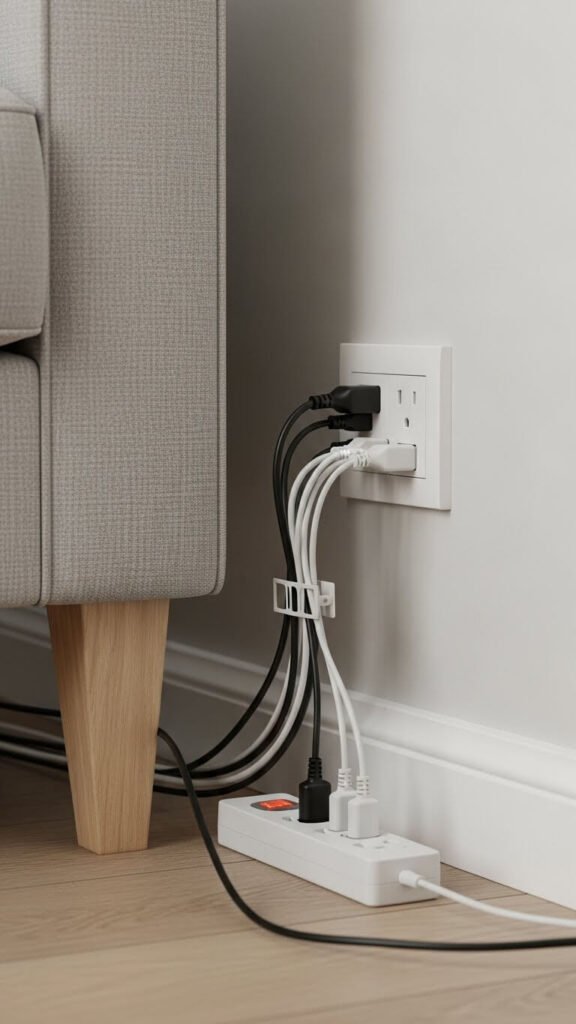
Bundle cords with velcro ties and hide them behind furniture. Use cord covers on walls for $10 at hardware stores.
Mount your TV on the wall and run cords through the wall cavity. This costs $15 for a kit.
Charge devices in drawers or closets instead of on coffee tables.
Visible cords break the clean aesthetic. Spending 30 minutes organizing them transforms how your room photographs.
Install Recessed Lighting

Replace hanging fixtures with recessed lights. They disappear into the ceiling and spread even light.
Hire an electrician for $200-400 per room or use battery-powered puck lights as a budget option.
Four to six recessed lights work for most living rooms. Space them evenly.
Recessed lighting eliminates visual clutter overhead. Your ceiling becomes clean and uninterrupted.
Use Built-in Storage
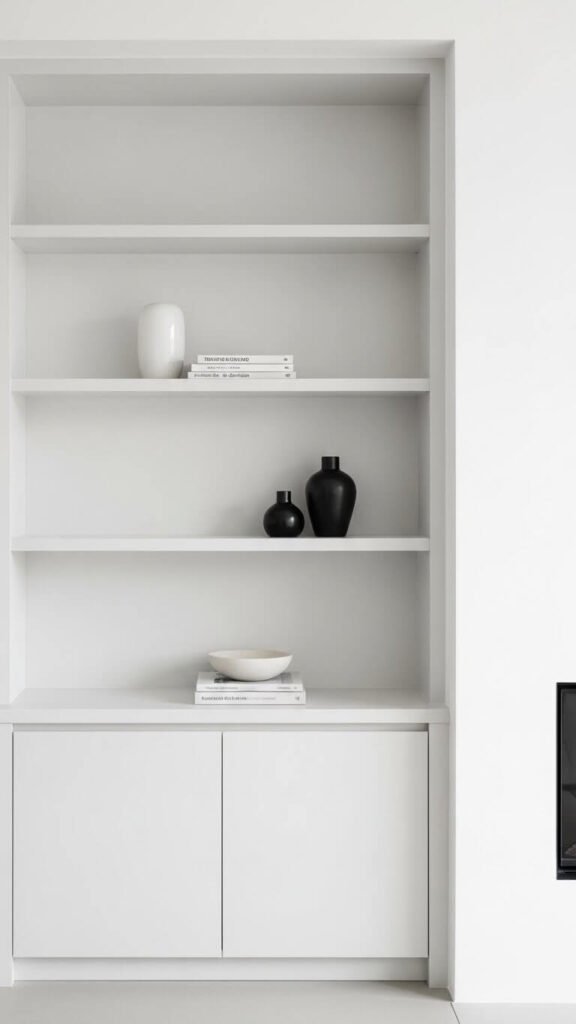
Build or buy built-in shelving units that sit flush with walls. They hold more than freestanding furniture while using less visual space.
IKEA’s BESTÅ system creates custom built-ins for $300-600. You can install it yourself in a weekend.
Paint built-ins the same color as your walls. They’ll disappear and make the room feel bigger.
Built-ins maximize storage without adding furniture pieces. They’re worth the upfront investment.
Keep Floors Bare

Skip area rugs or use one small rug only under the coffee table. Bare floors make rooms look twice as big.
Refinish hardwood floors for $3-5 per square foot. Polish concrete for a modern industrial look.
Bare floors are easier to clean. You’ll never vacuum again.
This works in warm climates or with heated floors. Add one sheepskin throw if you need warmth underfoot.
Display Books Vertically

Stand books upright on shelves. Never stack them horizontally or pile them on surfaces.
Organize by color for a calmer look. Remove dust jackets to reveal uniform cloth covers.
Keep only books you’ll reread. Donate the rest to libraries.
Vertical books look organized. Horizontal stacks look messy. This small change makes a big difference.
Choose Armless Seating

Buy chairs and benches without arms. They take up less space and tuck under tables.
Armless seating costs $100-200 at IKEA, Target, or Wayfair. Look for simple wooden legs.
Two armless chairs often work better than one armchair. They’re more flexible for different arrangements.
Removing arms removes bulk. Your room instantly feels less crowded.
Mount Your TV
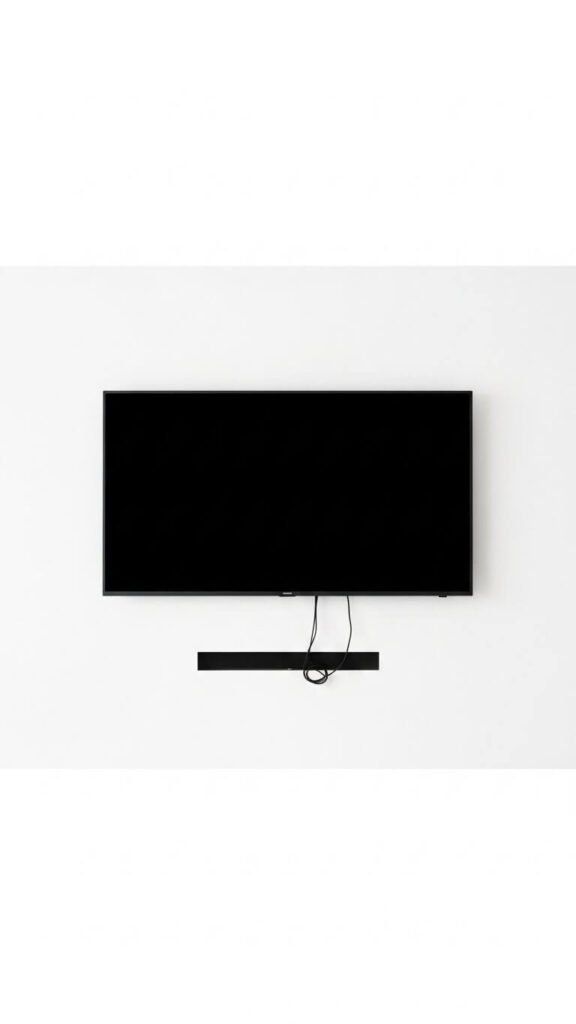
Wall-mount your TV instead of using a stand. This frees up floor space and looks cleaner.
Basic mounts cost $20-40 at Amazon. Most people can install them in an hour.
Leave the wall below the TV empty. No console or shelving needed.
A floating TV makes the room feel modern and uncluttered. It’s one of the highest-impact changes you can make.
Add Texture Through Materials

Mix materials instead of colors. Combine wood, linen, concrete, and metal in neutral tones.
Texture adds interest without pattern or color. A linen pillow and wool throw cost under $60 total.
Look for natural materials. They age better than synthetic ones.
Textural variety prevents minimalist rooms from feeling cold. Your room stays calm but not boring.
Use Symmetric Arrangements

Place furniture symmetrically around a central axis. Two matching side tables look better than mismatched ones.
Symmetry creates calm. Our brains process balanced rooms as more organized.
You can find matching pieces at thrift stores or buy inexpensive pairs at IKEA for under $100.
This arrangement costs nothing if you already own the pieces. Just rearrange what you have.
Eliminate Decorative Objects
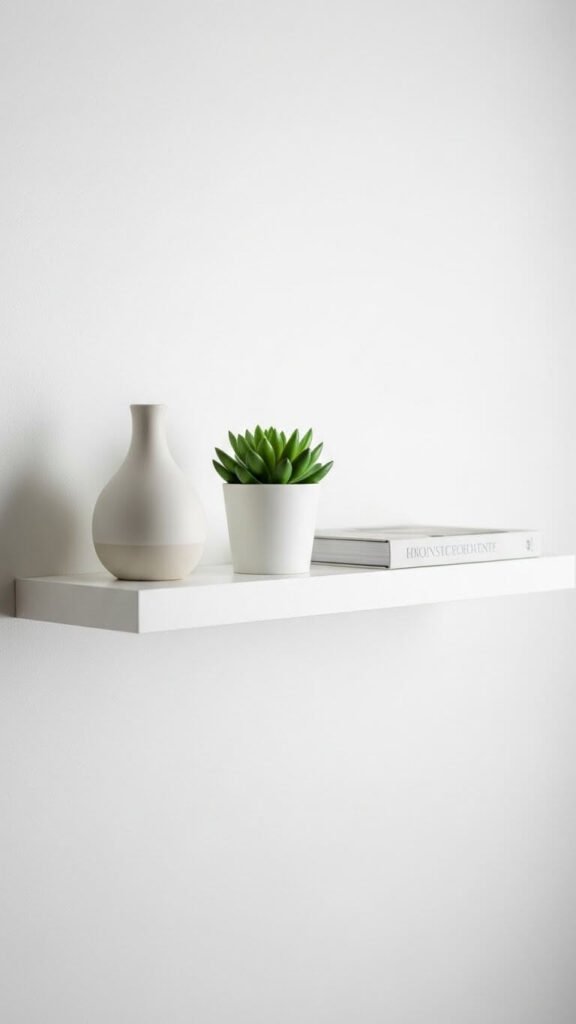
Remove tchotchkes, candles, decorative bowls, and figurines. Keep only functional objects.
If you love something, display it alone on a shelf. Give it space to breathe.
Store seasonal decorations. Rotate them out instead of displaying everything at once.
Every object you remove makes the room feel bigger. You’ll be shocked by how much you don’t miss.
Choose Low-Profile Furniture

Buy sofas, chairs, and tables that sit low to the ground. They make ceilings look higher.
Platform sofas and Japanese-style furniture create this effect. Look for pieces under 30 inches tall.
Low furniture costs the same as standard height but changes the room’s proportions.
This trick makes small rooms feel more spacious. It’s especially effective in rooms with low ceilings.
Create a Reading Corner

Dedicate one corner to a chair, side table, and lamp. Nothing else.
This creates a purposeful space without adding clutter. It costs $150-300 for basic pieces.
Position your chair near a window for natural light. Add one throw blanket if desired.
A reading corner makes the room feel intentional. It shows that less furniture can create more function.
Use Natural Light

Open curtains during the day. Clean windows monthly to maximize light.
Natural light is free and makes rooms feel bigger. It improves mood and reduces electricity costs.
Remove heavy drapes and blinds. Install sheer curtains if you need privacy.
Light-filled rooms need less artificial light. They feel more connected to the outdoors.
Select Handleless Cabinets
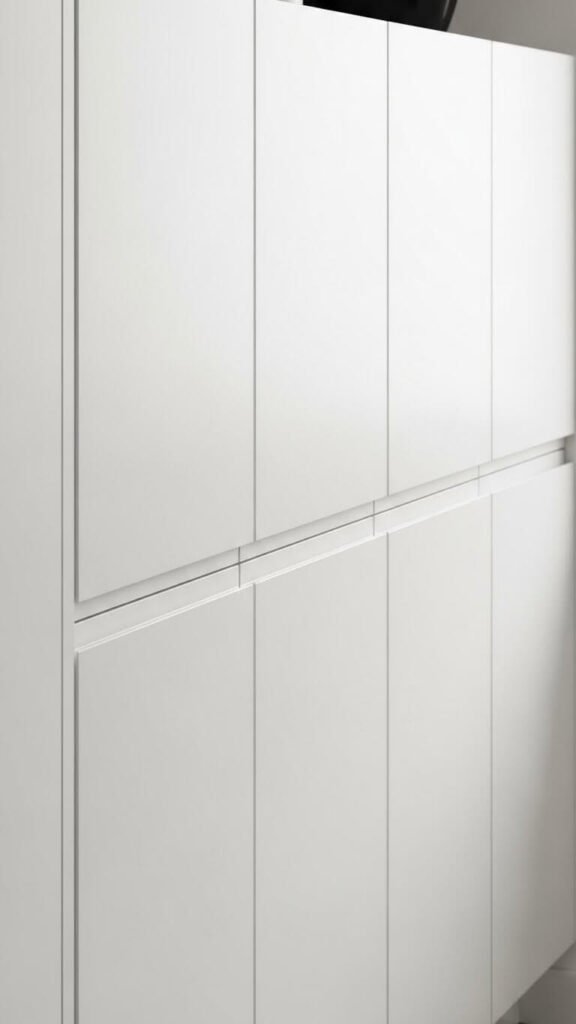
Choose cabinets with push-to-open doors instead of handles. Handles add visual noise.
You can remove existing handles for free. Fill the holes with wood putty and paint.
Handleless designs cost the same as handled ones. IKEA offers many options under $500.
Smooth cabinet fronts look cleaner and more modern. This small detail makes a big impact.
Maintain Empty Surfaces

Keep counters, tables, and shelves empty when not in use. Put things away immediately.
This habit costs nothing but transforms how your room looks and feels.
Store small appliances in cabinets. Clear your coffee table every night before bed.
Empty surfaces create peace. They’re the hallmark of successful minimalist design.
Invest in Hidden Storage

Buy furniture with hidden storage. Ottomans, benches, and coffee tables with lift-tops work well.
These pieces cost $100-200 and hide clutter while providing seating or surfaces.
Store remotes, magazines, and throw blankets inside. Keep the exterior clean.
Hidden storage lets you own more while displaying less. It’s the minimalist’s secret weapon.
Limit Seating Options
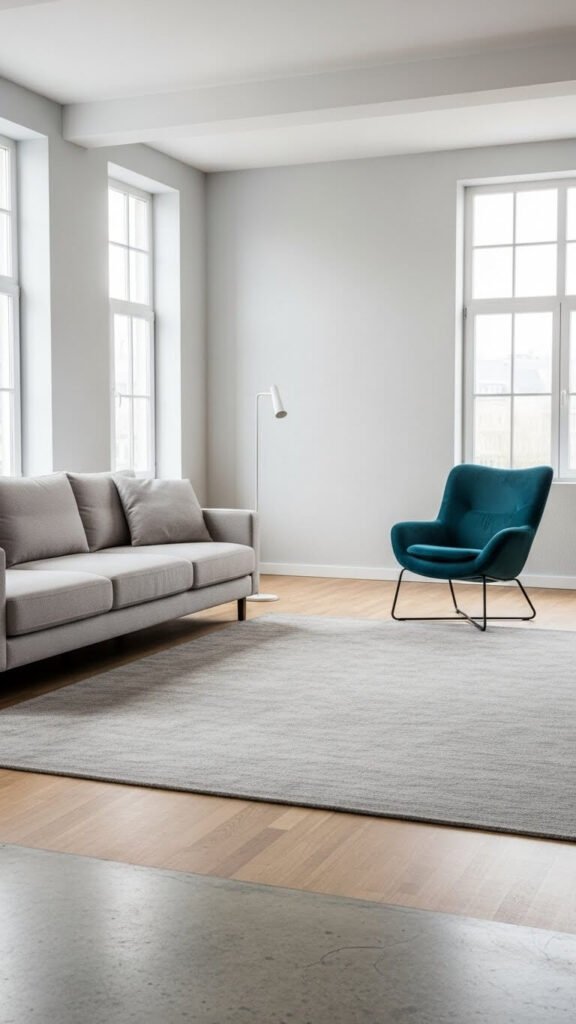
Most living rooms need only a sofa and one chair. Extra seating creates clutter.
If you regularly host large groups, rent or borrow folding chairs. Store them elsewhere.
Quality seating for 4-5 people works for 90% of occasions. Stop planning for theoretical parties.
Less seating means more space for living. Your room will feel bigger every single day.
Choose Matte Finishes

Pick matte paint, matte metals, and flat-finish wood. Shiny surfaces reflect light and draw attention.
Matte finishes cost the same as glossy ones but create a calmer atmosphere.
You can change glossy hardware to matte black for $2 per piece using Rustoleum spray paint.
Matte surfaces blend together. They make rooms feel cohesive and quiet.
Conclusion
Minimalist living rooms prove that peace comes from subtraction, not addition. You don’t need expensive furniture or professional designers. Start by removing half of what you own, painting walls white, and choosing one quality sofa. Let empty space become your favorite design element. Keep surfaces clear, hide cords, and display only what you love. Your living room should make you feel calm the moment you walk in. These 28 strategies work in any space, at any budget. Pick three changes to make this weekend. You’ll immediately notice how much lighter your home feels when you stop fighting clutter and start embracing space.