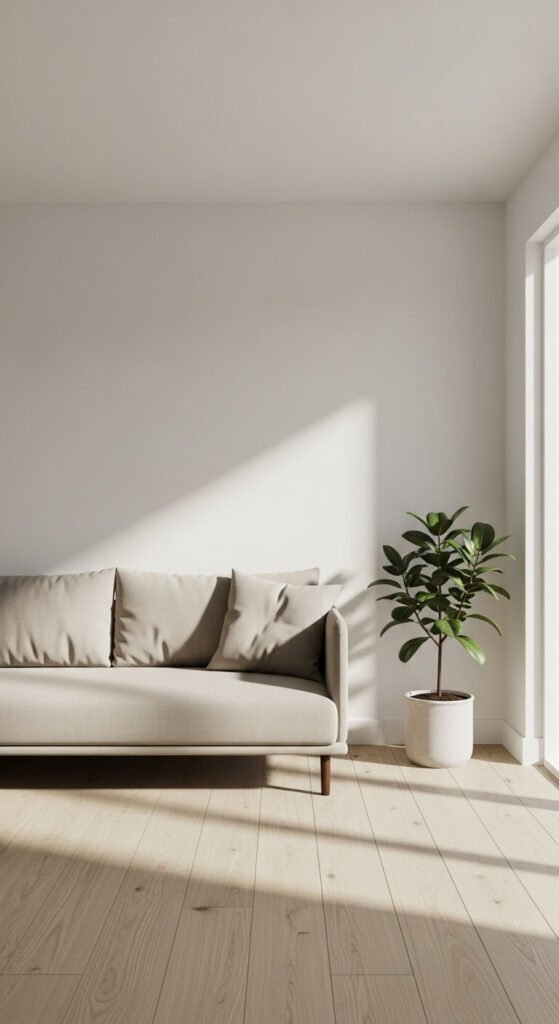
Creating a minimalist living room isn’t about sacrificing comfort—it’s about choosing what matters most. Each piece serves a purpose, every surface breathes, and your space becomes a retreat from daily chaos. This approach works whether you’re furnishing your first apartment on a tight budget or redesigning a family room. You’ll discover how neutral palettes, smart storage, and intentional furniture choices transform cluttered spaces into calm sanctuaries. These 28 designs prove that less really can be more, offering practical ideas you can implement this weekend without breaking the bank.
Start with a Neutral Foundation
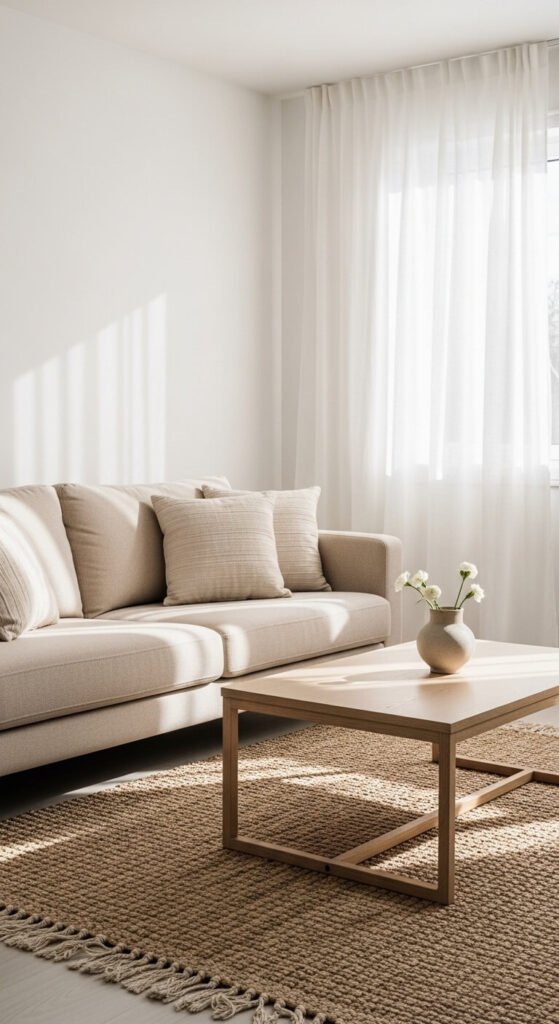
White, beige, and soft gray create the perfect backdrop for minimalist design. These colors make small rooms feel larger and bright spaces feel serene.
Paint walls in one shade throughout. Choose matte or eggshell finishes to reduce visual noise. Add warmth with cream-colored throw pillows or a taupe area rug.
Budget tip: Use leftover paint samples to test colors in different lighting before committing. One gallon covers most living rooms for under $40.
Mix textures within your neutral palette. Pair smooth cotton with chunky knit or linen with wool. This prevents the space from feeling flat or sterile.
Embrace Low-Profile Furniture
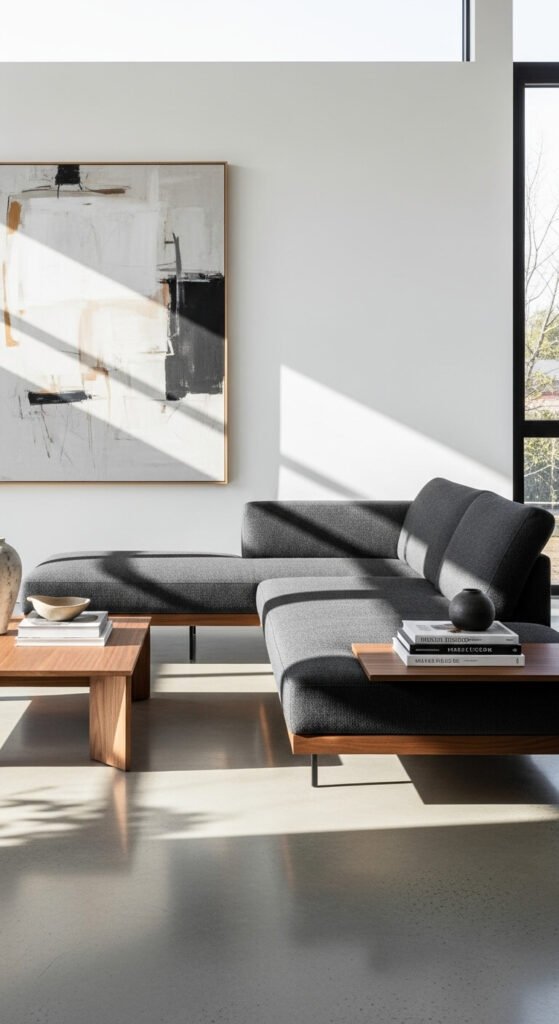
Low furniture creates visual flow and makes ceilings appear higher. Choose sofas and tables that sit closer to the floor than traditional pieces.
Look for platform sofas without bulky arms. Japanese-inspired designs work perfectly here. Your eye travels across the room instead of bumping into tall obstacles.
Thrift stores often stock mid-century pieces with lower profiles. Sand and restain wooden legs for a fresh look. Replace old cushions with firm foam wrapped in simple cotton covers.
DIY option: Build a platform sofa using plywood and high-density foam. Total cost runs about $200 for a six-foot piece.
Maximize Natural Light
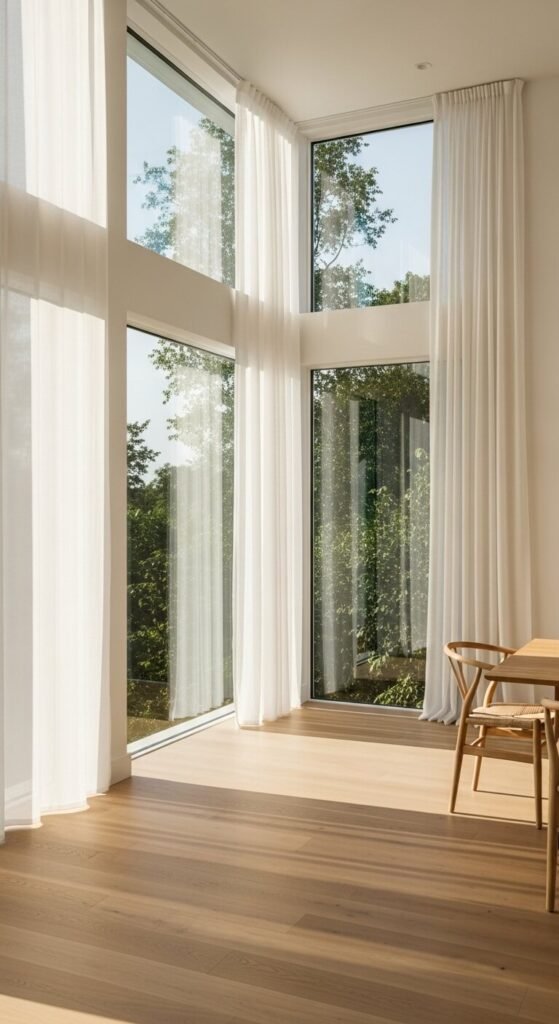
Natural light eliminates the heaviness that artificial lighting can create. Remove heavy drapes and let sunshine define your space throughout the day.
Install sheer curtains or light-filtering blinds for privacy without blocking rays. Keep windows clean—streaks and dust reduce light by up to 30%.
Budget hack: Hang mirrors opposite windows to bounce light deeper into the room. Large mirrors from discount stores cost around $30 and double your perceived brightness.
Position furniture away from windows when possible. This prevents blocking light and creates breathing room around each piece.
Choose One Statement Piece
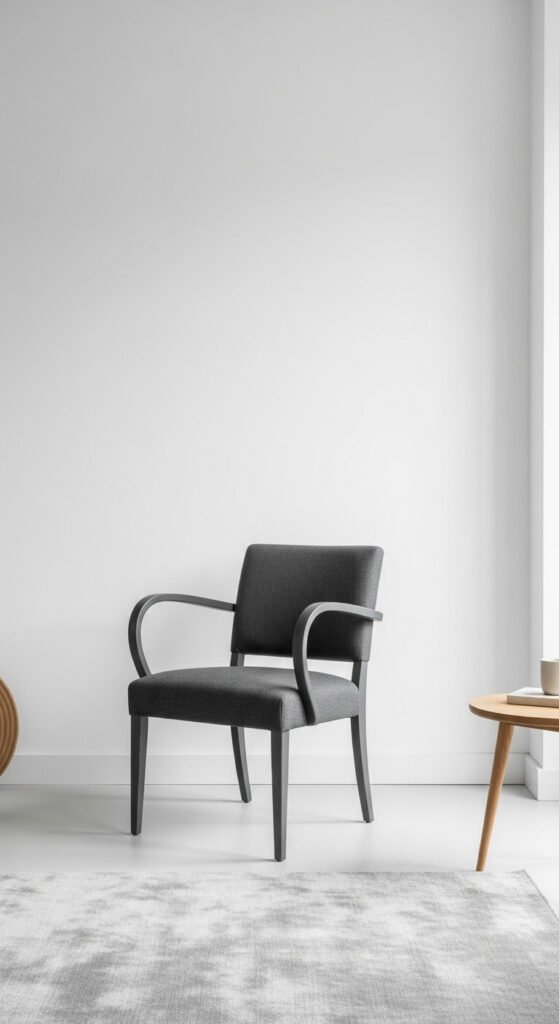
Select one item that draws attention and let everything else recede. This could be a unique chair, bold artwork, or sculptural lamp.
Your statement piece anchors the room without overwhelming it. Guests remember this element while the rest creates calm. Avoid competing focal points.
Shop estate sales for vintage finds under $100. A single mid-century chair or ceramic vase becomes conversation-worthy. Clean lines work better than ornate details.
Simple rule: If you remove the statement piece and the room feels empty, you’ve chosen well.
Invest in Quality Over Quantity
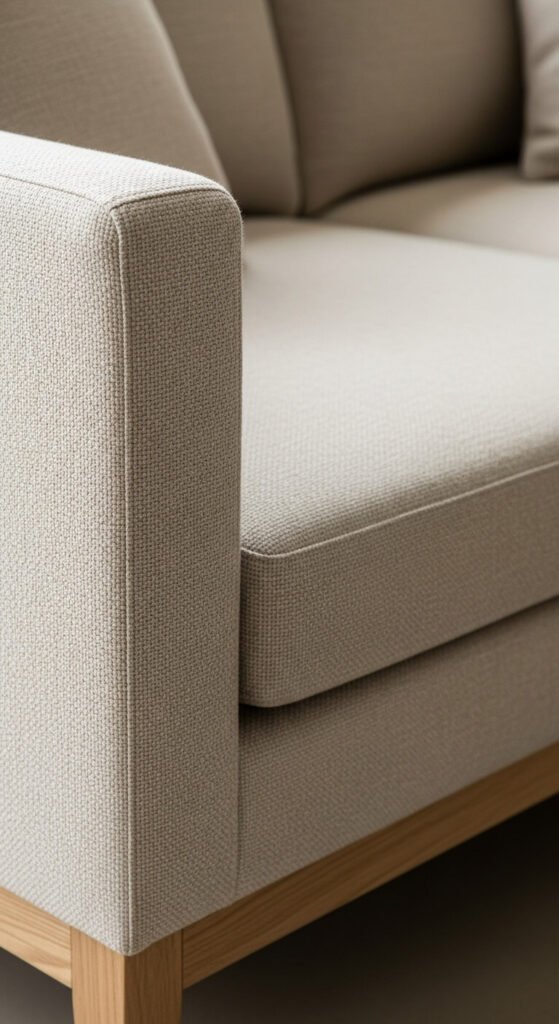
Three well-made pieces outlast ten cheap ones. Quality furniture maintains its shape, color, and comfort for decades.
Start with your sofa—you use it daily. Look for hardwood frames and eight-way hand-tied springs. Check secondhand shops for solid wood pieces that just need refinishing.
Long-term savings: A $600 used solid wood coffee table lasts 20+ years. A $150 particleboard version breaks down in three.
Buy one quality item per season instead of furnishing everything at once. Your space grows thoughtfully rather than cluttering up with impulse purchases.
Clear Horizontal Surfaces
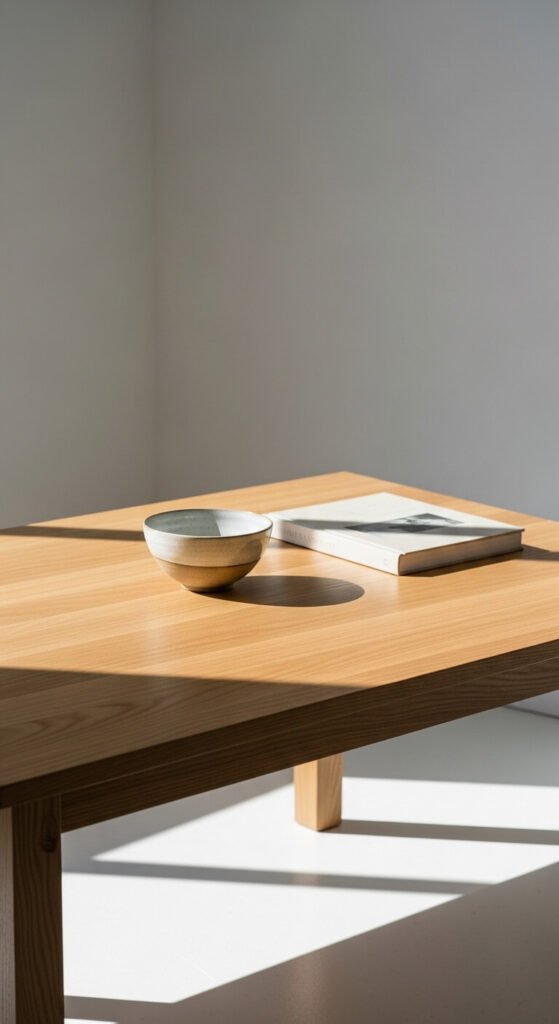
Empty tables and shelves give your eyes a place to rest. Start by removing everything from coffee tables, side tables, and mantels.
Put back only what you use daily or truly love. One book and a small plant create visual interest without clutter. Stack items in odd numbers—three looks more balanced than four.
Create homes for remote controls inside drawers or baskets. Charging cables hide behind furniture or inside cable management boxes from hardware stores for $10.
Weekly habit: Clear all surfaces before bed. This five-minute routine prevents gradual accumulation.
Add Warmth with Natural Materials
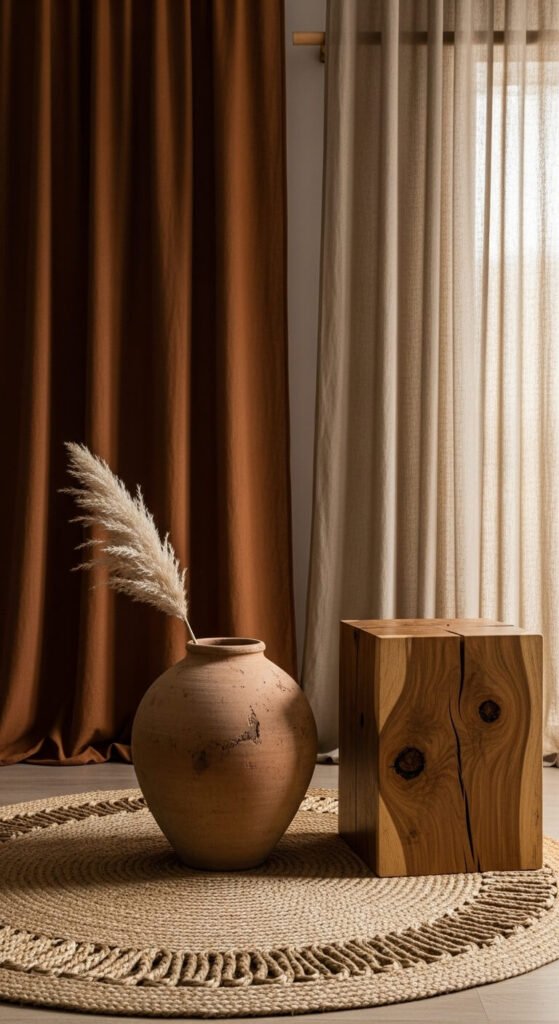
Wood, stone, cotton, and wool prevent minimalist spaces from feeling cold. These materials add depth through texture rather than pattern or color.
Choose furniture with visible wood grain. Oak, walnut, and teak bring warmth without busy designs. Sand rough spots on budget wood pieces and apply clear wax for protection.
Layer natural fiber rugs like jute or sisal. These cost half as much as wool but deliver similar texture. Add cotton or linen throw blankets in cream or tan shades.
Affordable swap: Replace synthetic curtains with cotton canvas from fabric stores. Hem them yourself for $3 per yard.
Limit Your Color Palette to Three Shades
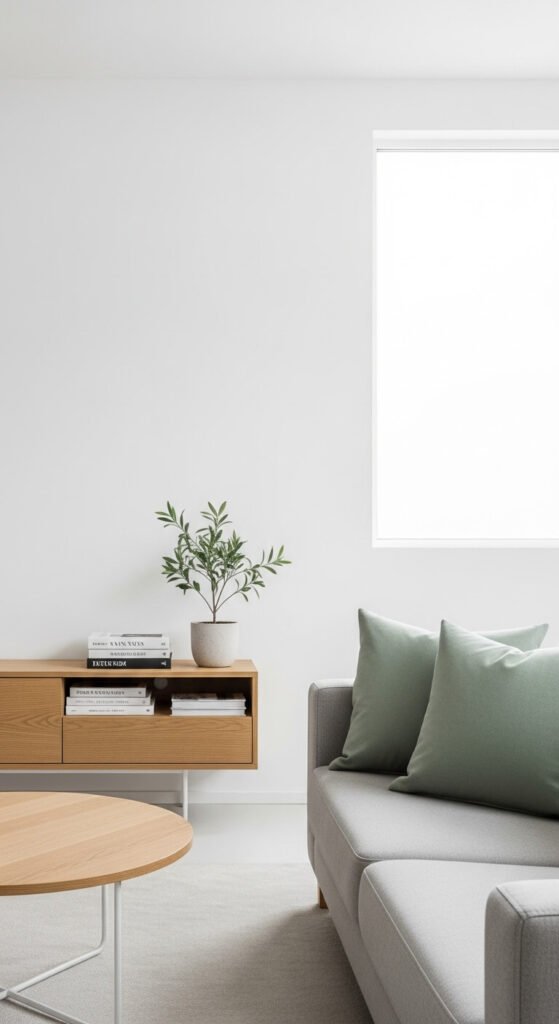
Three colors maximum prevent visual chaos. Choose one neutral base, one natural wood tone, and one accent color.
Your walls and largest furniture stay neutral. Wood appears in tables or shelving. The accent color shows up in two or three small items like pillows or pottery.
Test paint chips together before buying. Colors that clash in the store will clash in your home. Stick with muted or earth-toned accents—sage green, terracotta, or warm gray.
Free tool: Use your phone camera to preview color combinations. Take photos of paint chips against your existing furniture.
Create Hidden Storage Solutions
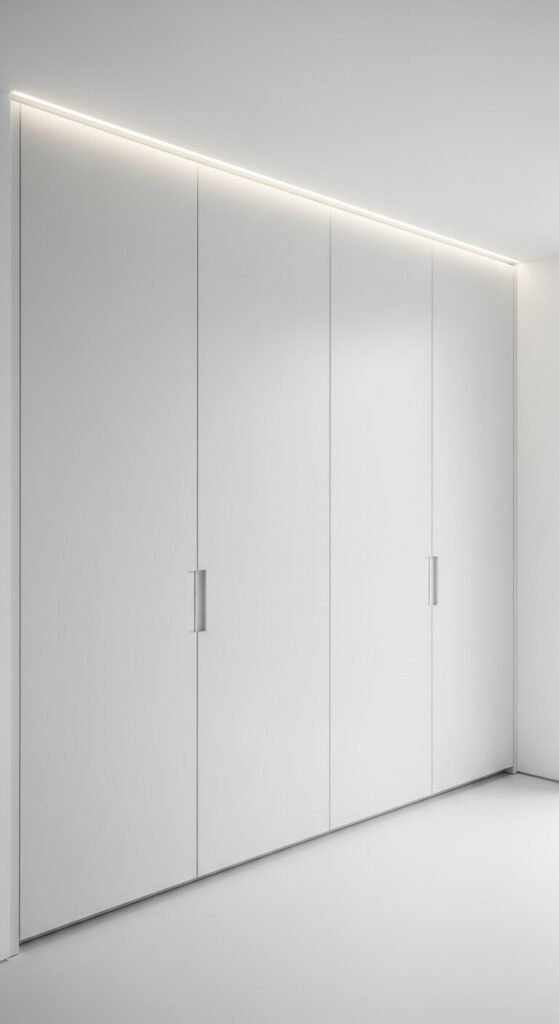
Out of sight means out of mind. Hide everyday items behind closed doors while keeping surfaces bare.
Install floating cabinets or use storage ottomans that double as seating. These hide blankets, games, and magazines without adding visual weight. Look for pieces with no visible hardware.
DIY project: Add fabric-lined baskets inside open shelving units. They contain clutter while maintaining a clean look. Fabric bins from discount stores cost $8 each.
Under-sofa storage boxes slide out when you want them but disappear otherwise. Measure your sofa height first—most require at least six inches clearance.
Bring in One Large Plant
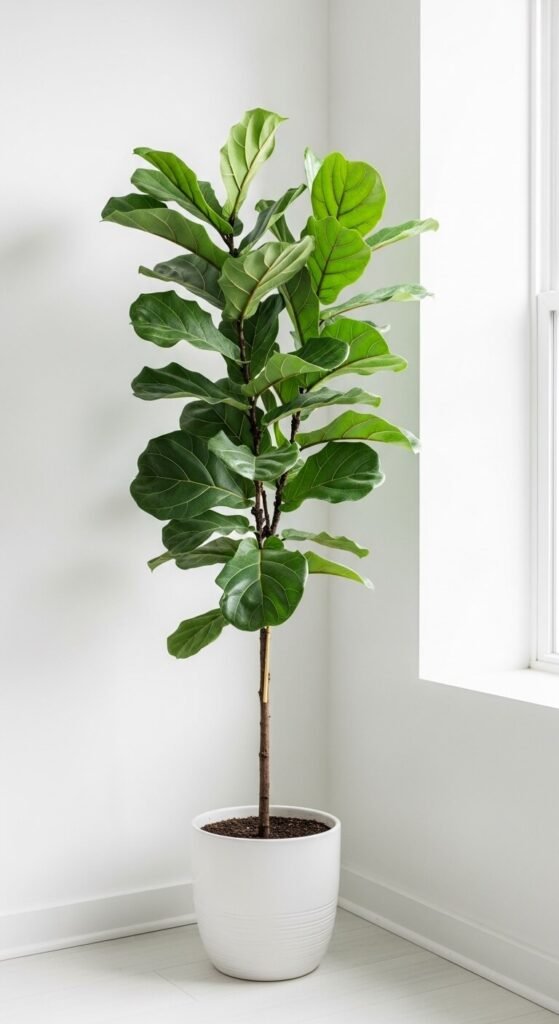
Large plants add life without clutter. One substantial fiddle leaf fig or monstera makes more impact than five small pots scattered around.
Place your plant in a corner or beside a window where it gets natural light. Use a simple white or terracotta pot that blends with your palette.
Budget option: Buy a small plant and let it grow. Fiddle leaf figs from grocery stores cost $15 and reach five feet in two years with proper care.
Water weekly and wipe leaves monthly to remove dust. Healthy plants look intentional while struggling ones add visual stress.
Choose Furniture with Exposed Legs
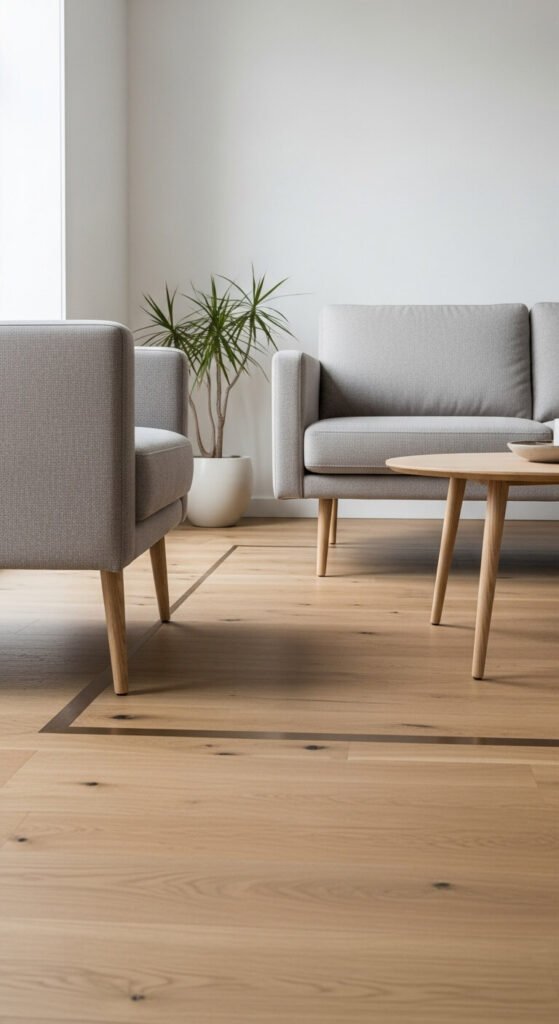
Exposed legs create negative space that makes rooms feel larger. Skirted furniture or pieces that touch the floor appear heavy and immovable.
Look for sofas, chairs, and tables with legs at least four inches high. This lets light and sight lines flow underneath, reducing visual weight.
If you love a skirted piece, remove the fabric yourself. Many skirts attach with velcro or staples. Exposing the frame instantly modernizes the look.
Shopping tip: Search “mid-century legs” online. Replacement legs cost $20-40 and attach with simple brackets, updating older furniture instantly.
Display Art Intentionally
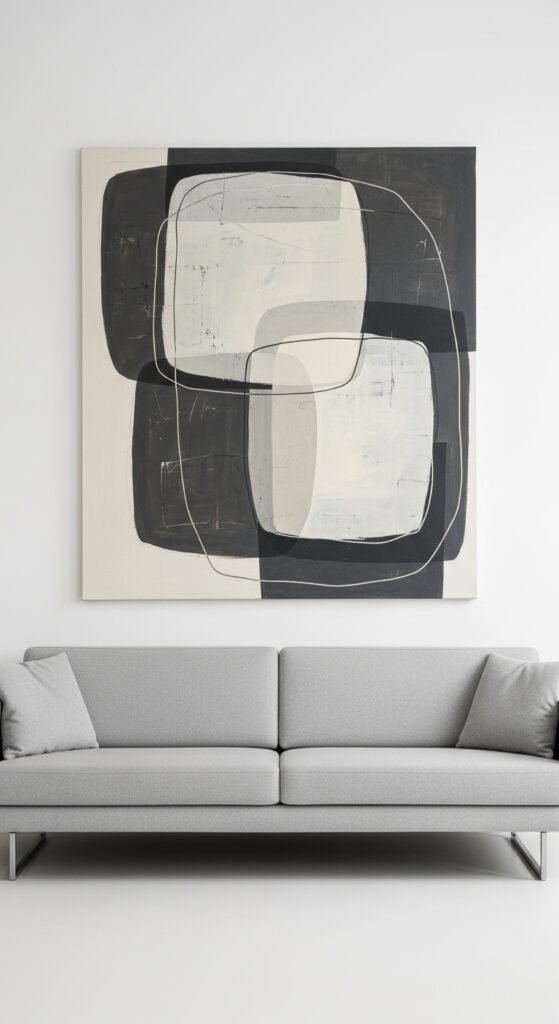
One large piece beats a gallery wall in minimalist design. Choose art that speaks to you and give it space to breathe.
Hang artwork at eye level—roughly 57 inches from floor to center. Leave at least six inches of blank wall on all sides. White or natural wood frames work better than ornate gold.
Budget art: Frame fabric remnants, botanical prints from old books, or your own photography. Custom framing costs less at craft stores during weekly sales.
Lean large pieces against the wall instead of hanging them. This casual approach works for rentals where you cannot drill holes.
Incorporate Soft Lighting Layers
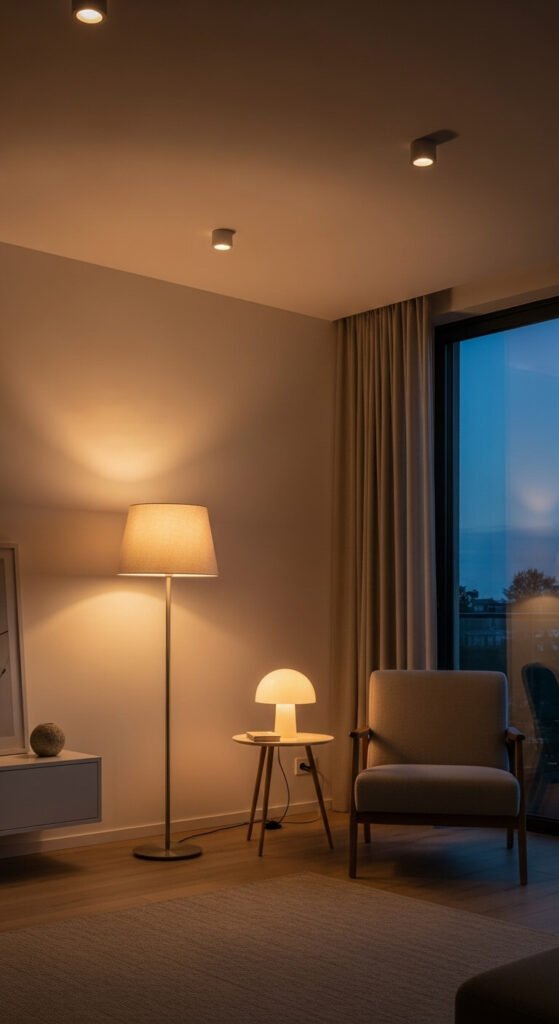
Overhead lights alone create harsh shadows. Layer floor lamps, table lamps, and ambient lighting for warmth and dimension.
Choose simple lamp designs in matte black, white, or natural wood. Paper lanterns or linen shades soften light beautifully. Position lamps in room corners to eliminate dark spots.
Install dimmer switches on existing fixtures for $15 each. You control brightness based on time of day and mood.
Energy saver: Use warm LED bulbs (2700K) to mimic natural light without the heat or cost of incandescent bulbs.
Keep Technology Concealed
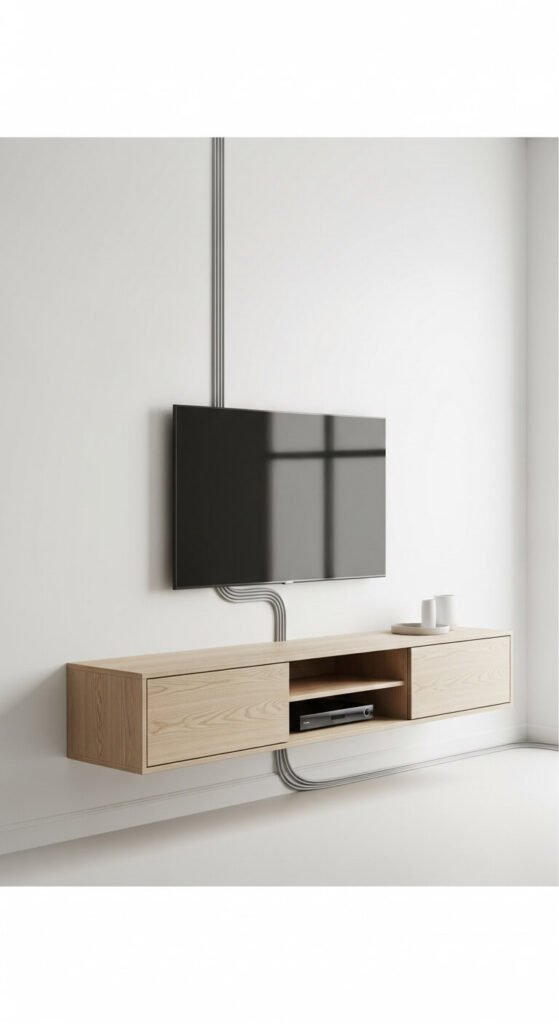
Visible wires and black boxes disrupt minimalist calm. Hide TVs inside cabinets or run cables through walls.
Mount TVs and install cable channels behind them. Paintable wire covers from hardware stores cost $12 and blend into walls. Store gaming consoles and streaming devices in closed cabinets.
Renter solution: Use fabric cable sleeves that group wires together and match your wall color. They peel off without damage when you move.
Turn off screens when not in use. A blank TV becomes a black rectangle—consider a frame TV or art prints if you prefer something visible.
Select Furniture with Clean Lines
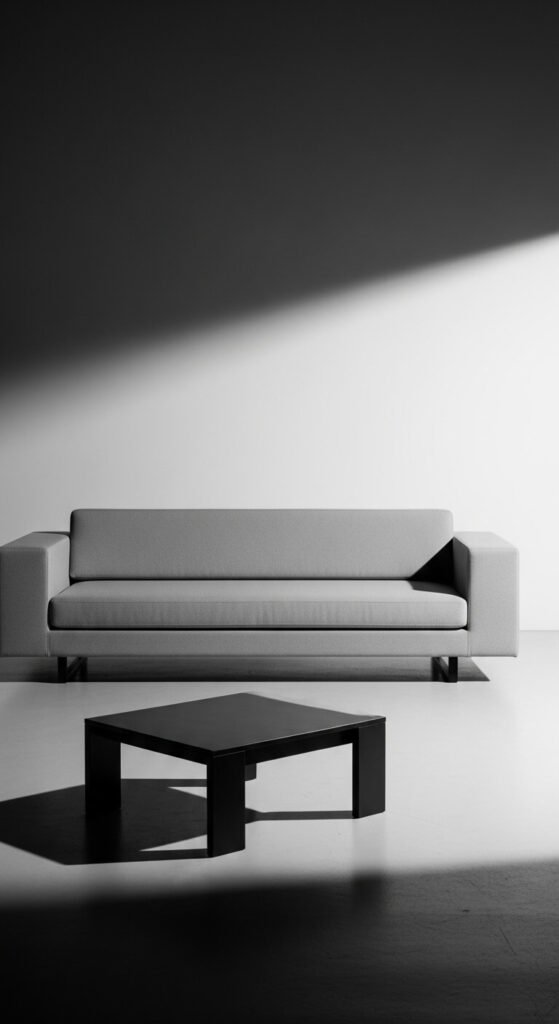
Curves and ornate details add visual complexity. Straight edges and simple shapes create order and calm.
Look for rectangular coffee tables, sofas with track arms, and angular chairs. Avoid tufting, nailhead trim, or carved details.
Sand rough edges on budget wood furniture and paint pieces in matte finishes. This strips away decorative elements while protecting the wood.
Shopping strategy: Search “modern” or “contemporary” rather than “traditional.” Filter by simple silhouettes and you’ll find cleaner options at every price point.
Add Texture Through Textiles
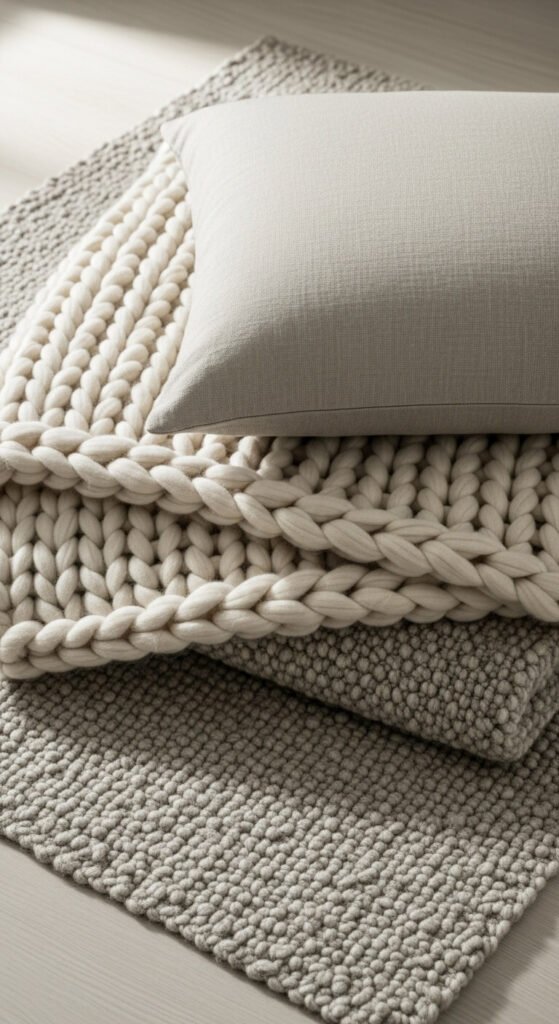
Texture replaces pattern in minimalist design. Different weaves and fibers add richness without busy prints.
Layer smooth cotton pillows with chunky knit throws. Place a jute rug under a sheepskin accent. Mix linen curtains with velvet cushions—all in your neutral palette.
Thrift win: Buy natural fiber blankets and rugs secondhand. Wash in cold water and air dry to refresh them without shrinking.
Avoid synthetic fabrics that look flat in photos and feel cheap in person. Cotton, linen, and wool photograph beautifully and last longer.
Create Negative Space Intentionally
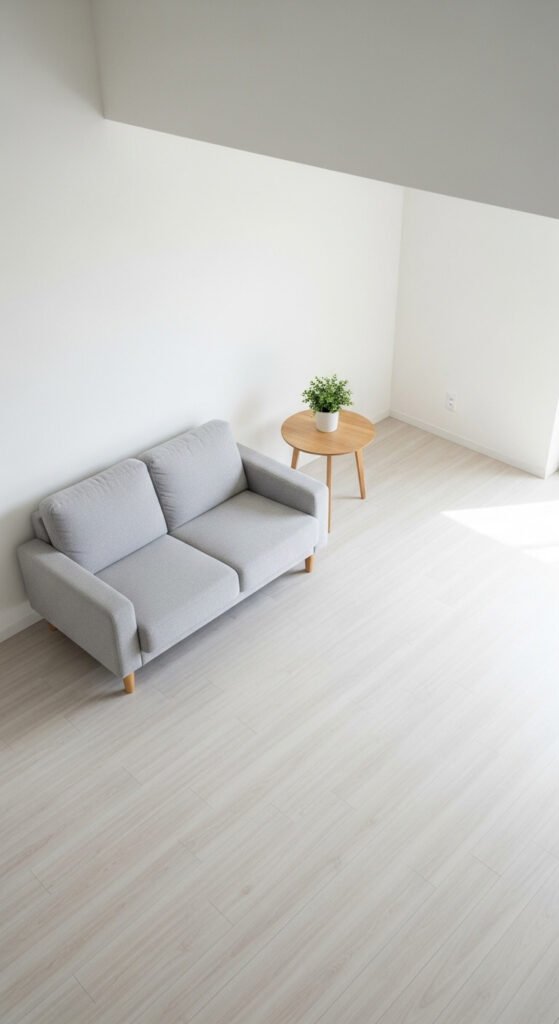
Empty space isn’t wasted space—it’s what makes minimalism work. Leave areas completely bare to balance furnished zones.
Arrange furniture in small groupings with walking paths between them. Keep at least 30 inches clear around major pieces. Resist filling every corner.
Stand in your doorway and scan the room. If your eye bounces from item to item without rest, remove pieces until you find breathing room.
Mental trick: Empty space feels luxurious in high-end hotels. That same principle works in your living room at any budget level.
Choose Multi-Functional Pieces
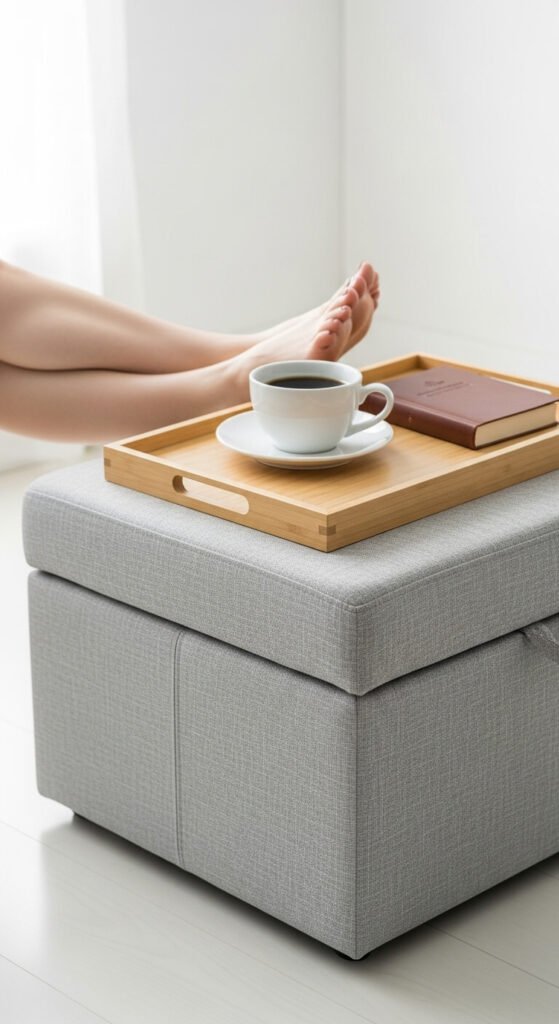
Furniture that serves two purposes reduces the total pieces you need. Storage ottomans, nesting tables, and sofa beds work harder.
Look for coffee tables with drawers or lower shelves. Choose ottomans that open for blanket storage but also work as extra seating or footrests.
DIY hack: Add casters to sturdy wooden crates for mobile storage that slides under console tables. Stain or paint them to match your palette for $25 total.
Avoid single-purpose items like magazine racks or phone stands. Your coffee table can hold magazines. Your side table can hold phones.
Install Floating Shelves Sparingly
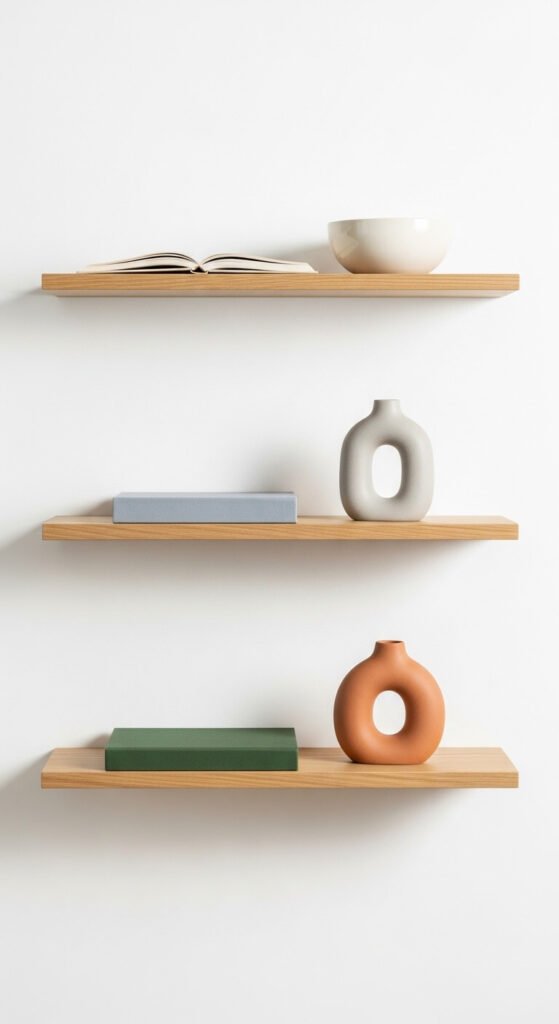
Floating shelves display favorite items without heavy bookcases. Mount just two or three and style them loosely.
Space shelves at least 18 inches apart vertically. Place only a few items on each—one small plant, two books, or a single pottery piece.
Paint shelves the same color as your walls for a built-in look. Or choose natural wood that matches other furniture tones.
Installation tip: Use proper anchors rated for your wall type. Shelves that sag look cheap and break the clean lines you’re creating.
Maintain Consistent Wood Tones
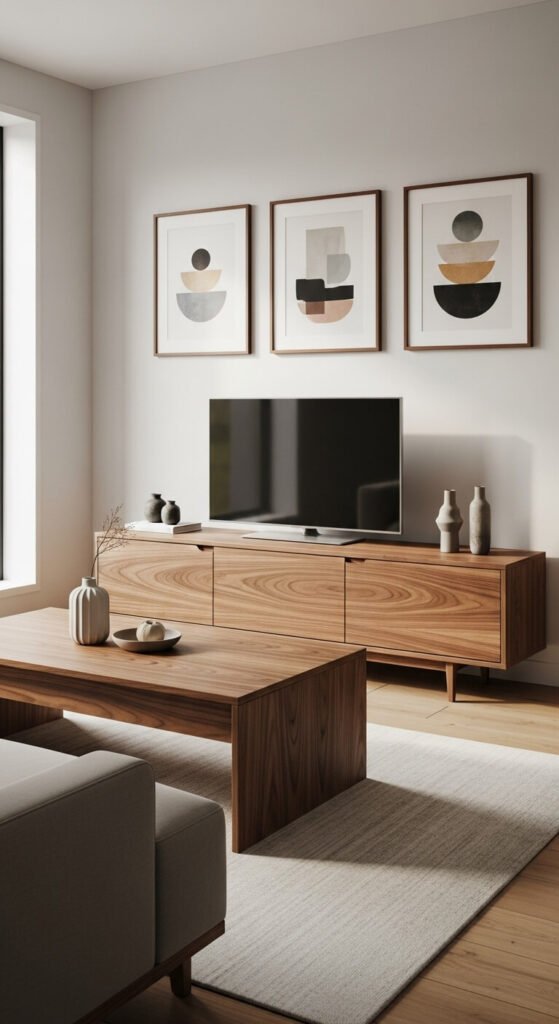
Mixing too many wood finishes creates visual confusion. Stick with either warm or cool tones throughout the space.
Choose oak, maple, or walnut and repeat that tone in tables, shelving, and frames. You can mix light and dark woods if they share warm or cool undertones.
Color test: Place wood samples side by side. They should feel related even if one is lighter. Honey oak and dark walnut both read warm.
Refinish mismatched pieces yourself with wood stain from hardware stores. Sand, stain, and seal for under $30 per piece.
Edit Ruthlessly and Regularly
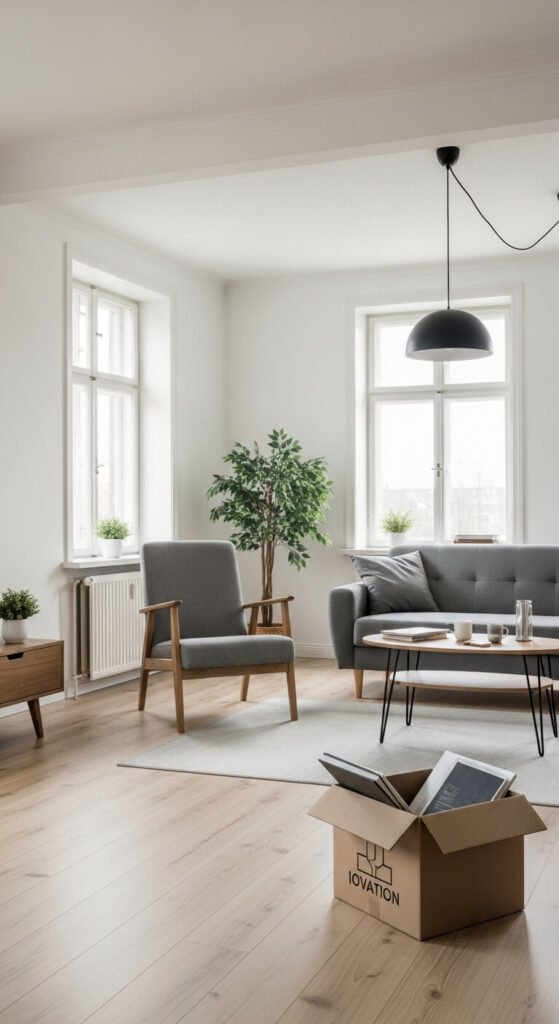
Minimalism requires maintenance. Set a calendar reminder to remove items quarterly before clutter rebuilds.
Walk through with a donation box. Remove anything you haven’t used in three months or that doesn’t serve your current life. Be honest about “someday” items.
One-in-one-out rule: When you bring home a new pillow, donate an old one. This prevents slow accumulation over time.
Take before photos to remind yourself how far you’ve come. Visual proof motivates you to maintain the peace you’ve created.
Use Area Rugs to Define Zones
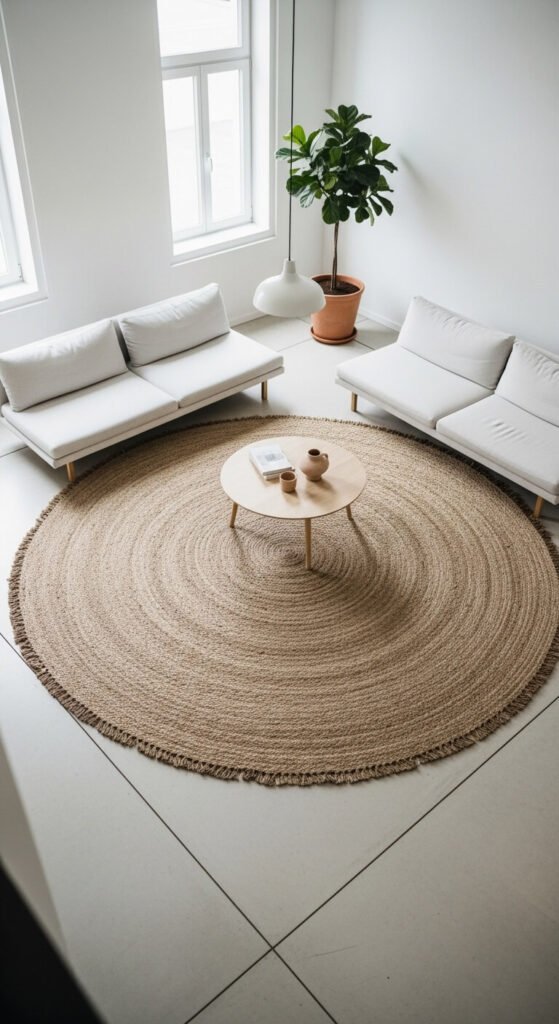
Rugs create boundaries without walls. They anchor furniture groupings and add warmth to hard floors.
Choose rugs large enough that front furniture legs sit on them. This makes the grouping feel intentional. Leave 12-18 inches of bare floor around the rug’s edges.
Natural fiber rugs in jute, sisal, or seagrass cost less than wool and work perfectly in minimalist spaces. They hide dirt better than light-colored options.
Size guide: An 8×10 rug fits most living rooms. Measure your furniture arrangement first and add 2 feet on each side.
Embrace Imperfection in Materials
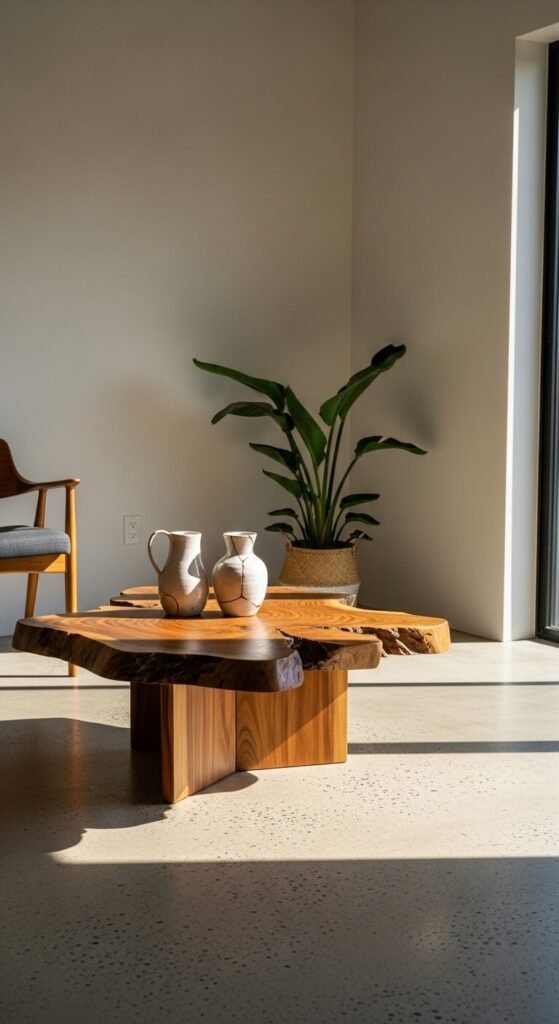
Machine-perfect materials feel sterile. Handmade ceramics, natural wood with knots, and stone with variations add soul.
Choose live-edge wood tables where bark or natural curves remain visible. Pick pottery with slight wobbles or glaze drips. These imperfections prove human hands shaped them.
Affordable finds: Shop local craft markets or pottery studios for handmade pieces under $50. Supporting artists adds meaning to your purchases.
Visible grain, mineral deposits in stone, or natural fiber variations make spaces feel collected over time rather than catalog-ordered.
Control Visual Weight Distribution
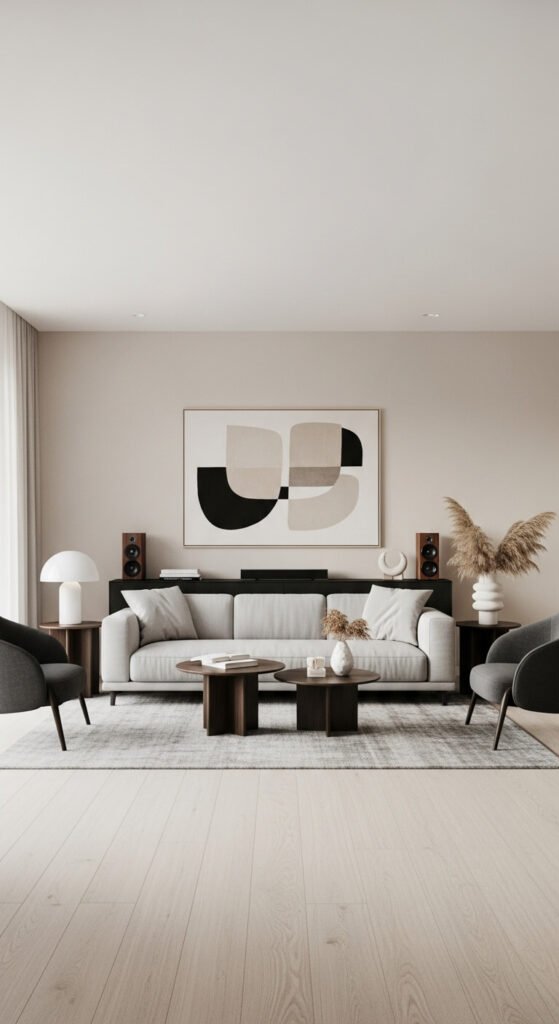
Balance prevents rooms from feeling lopsided. Distribute visual weight—the perceived heaviness of objects—across the entire space.
If you place a large sofa on one wall, balance it with a substantial piece opposite. This might be a tall plant, large artwork, or console table.
Quick check: Squint at your room. Blurred shapes should feel evenly weighted left to right. Clumps on one side create tension.
Dark colors appear heavier than light ones. Balance a dark sofa with light walls and floors to prevent overwhelming one side.
Keep Window Treatments Simple
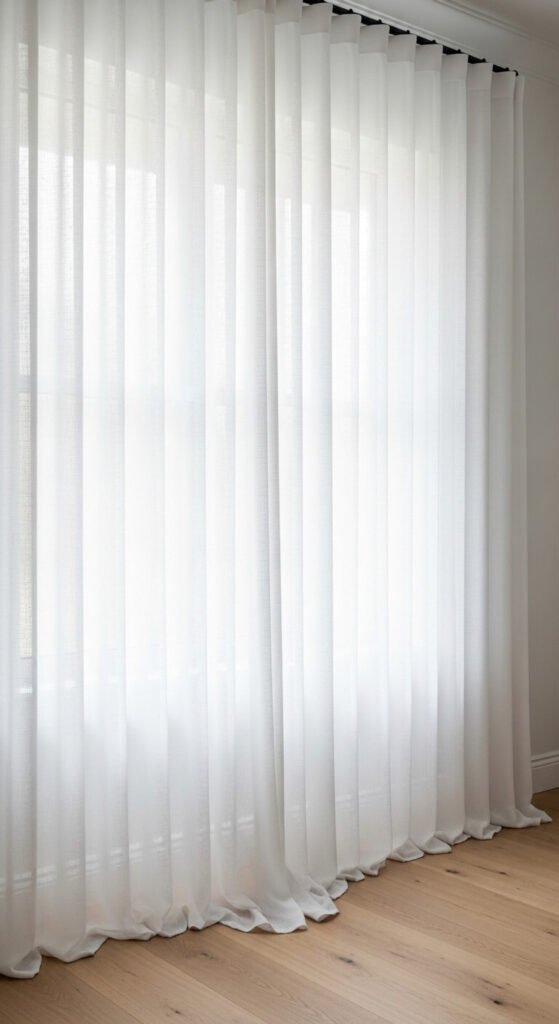
Heavy drapes with valances and tassels compete with your minimalist goals. Simple panels in white or cream blend into walls.
Hang curtains from ceiling to floor for height. Use basic rings on simple rods—no finials or decorative hardware. Let fabric drape naturally without tiebacks.
Budget option: Painters drop cloths from hardware stores make excellent curtains. Hem the bottom and hang from clip rings for $20 per window.
White sheers layer over curtains for privacy without blocking light. Remove everything else—swags, cornices, and decorative elements.
Curate Instead of Collect
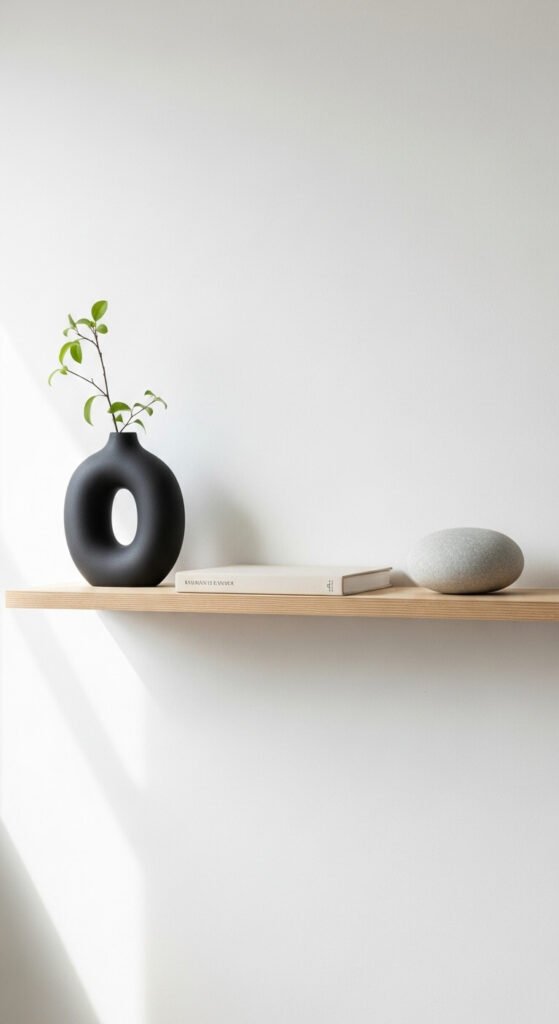
Every item you display should earn its place. Curated means choosing the best and releasing the rest.
Keep only objects that you love looking at daily or that serve real functions. Family photos belong in albums or one special frame—not covering every surface.
Rotate seasonal items instead of displaying everything simultaneously. Store summer decor in winter and swap them out. Your space stays fresh without adding more.
Mindset shift: You’re not decorating—you’re editing. Each piece you remove increases the impact of what remains. Quality always beats quantity in minimalist living rooms.
Conclusion
These 28 minimalist living room designs prove that creating a peaceful space doesn’t require expensive renovations or designer furniture. Start with one change this week—clear your coffee table, add a large plant, or hide visible cables. Small actions compound into dramatic transformations. Your living room becomes a place where you actually want to spend time, not just another space to maintain. Remember that minimalism serves you, not the other way around. Keep what brings value, release what doesn’t, and watch your room breathe easier. The peace and clarity you’ve been searching for might be just a few intentional choices away.