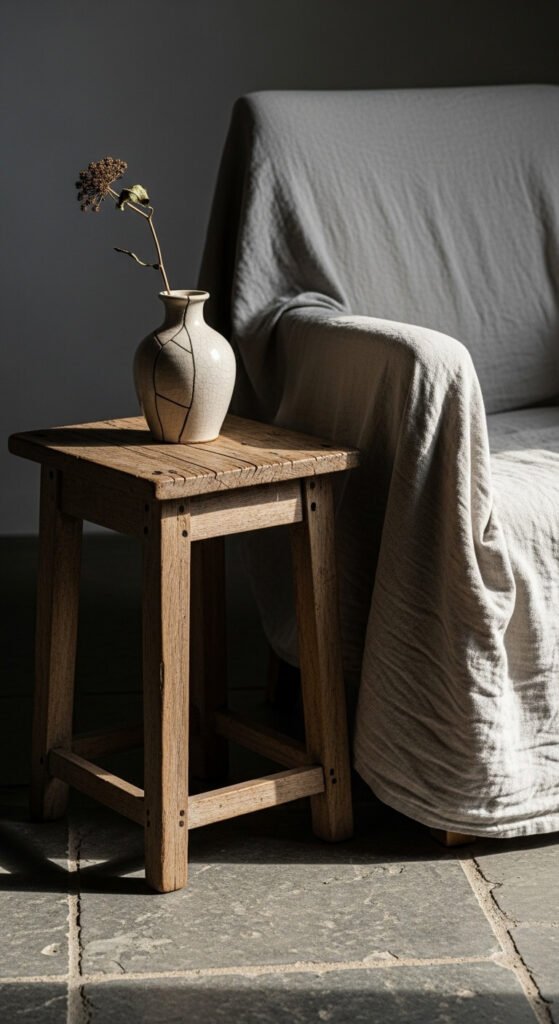
There is a quiet kind of beauty in things that are worn, unfinished, and real. Wabi-sabi is a Japanese design philosophy that finds that beauty in imperfection, age, and simplicity. It is not about decorating perfectly. It is about decorating honestly. You do not need a big budget, a designer, or a flawless home. You just need to stop hiding the cracks — and start appreciating them. Whether you are starting from scratch or rethinking a single shelf, these 30 wabi-sabi principles will help you create a home that feels deeply calm, grounded, and alive.
1. Embrace Cracked and Chipped Ceramics
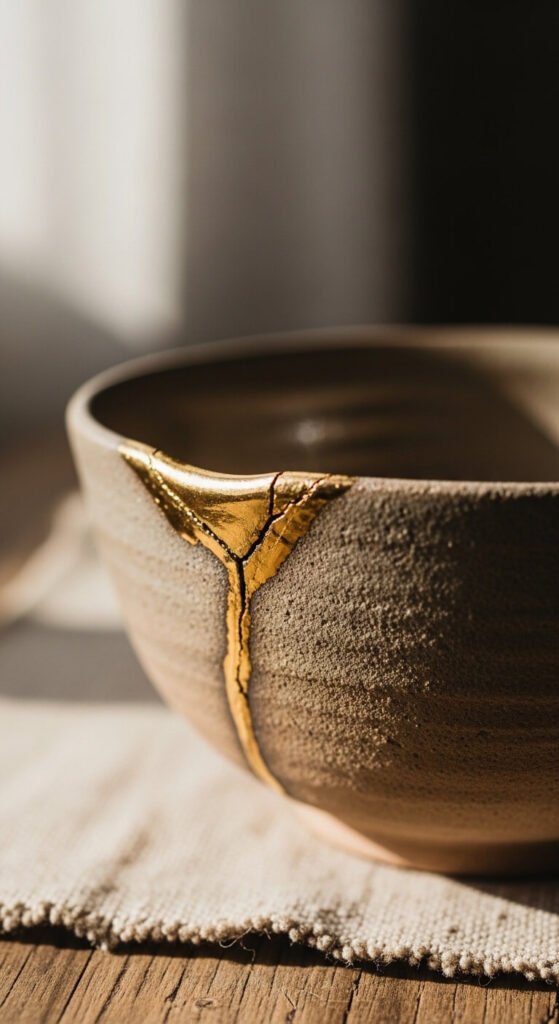
Kintsugi is the Japanese art of repairing broken pottery with gold. It turns damage into a design feature. You do not need to throw away chipped mugs or cracked bowls. Display them. Fill a cracked bowl with river stones. Use a chipped vase for dried botanicals. If you want to try kintsugi yourself, basic kits cost under $20 online. The break becomes the most interesting part of the piece.
2. Use Raw, Unfinished Wood
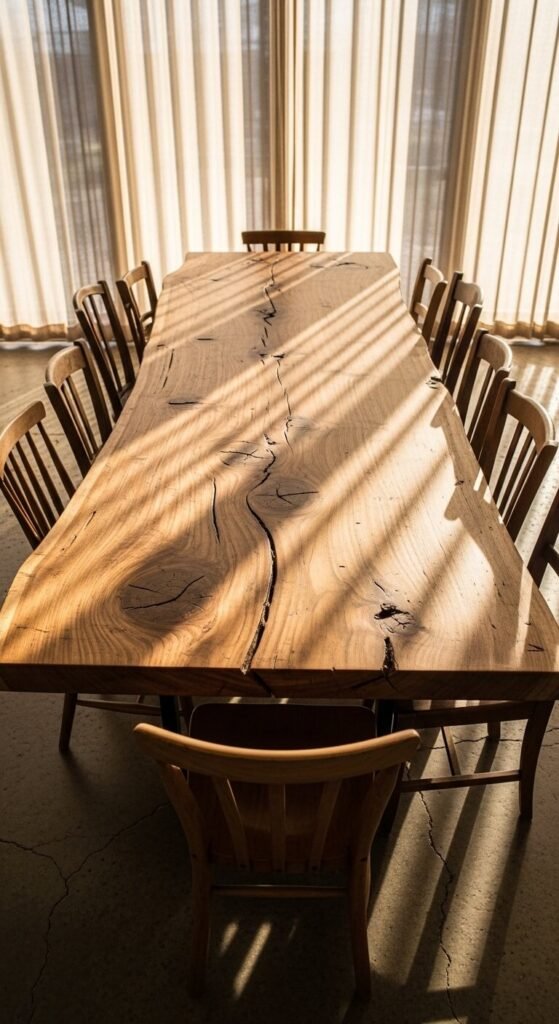
Polished furniture can feel cold and corporate. Raw wood — with its knots, grain, and rough spots — feels warm and alive. Look for live-edge shelves, unfinished lumber slabs, or reclaimed wood at salvage yards. Sand lightly if needed, but skip the glossy varnish. A simple beeswax or oil finish lets the wood breathe. Thrift stores and Facebook Marketplace are full of raw wood pieces for under $50.
3. Layer Neutral Linen Textiles
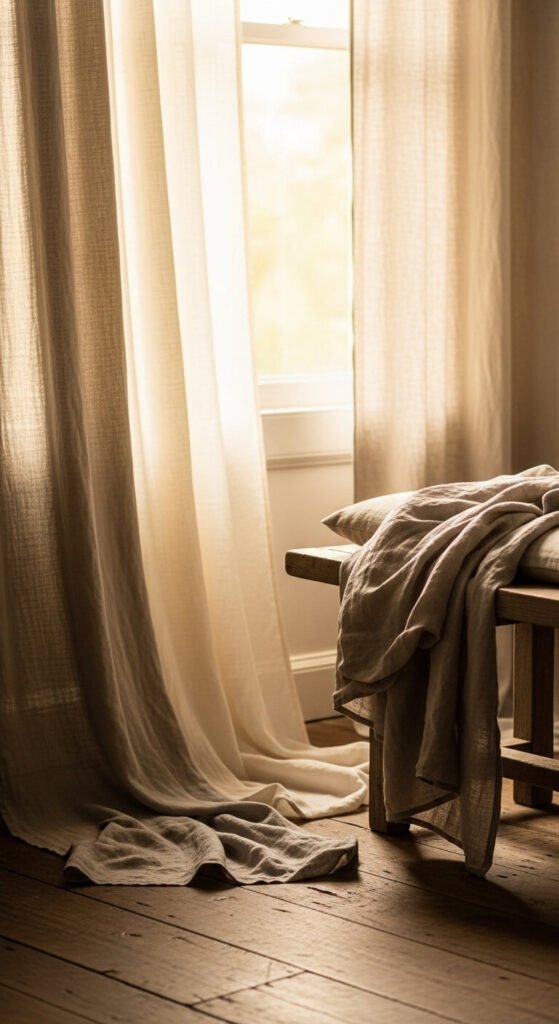
Wabi-sabi spaces lean into undyed, natural textiles. Linen is the go-to choice. It wrinkles beautifully. It softens over time. You do not need to iron it. Layer linen throws over chairs, hang linen curtains unlined, toss a linen pillow on the floor. IKEA and thrift stores carry affordable linen pieces. Wash them often so they fade gently. That faded, lived-in look is exactly the point.
4. Display Dried and Foraged Botanicals
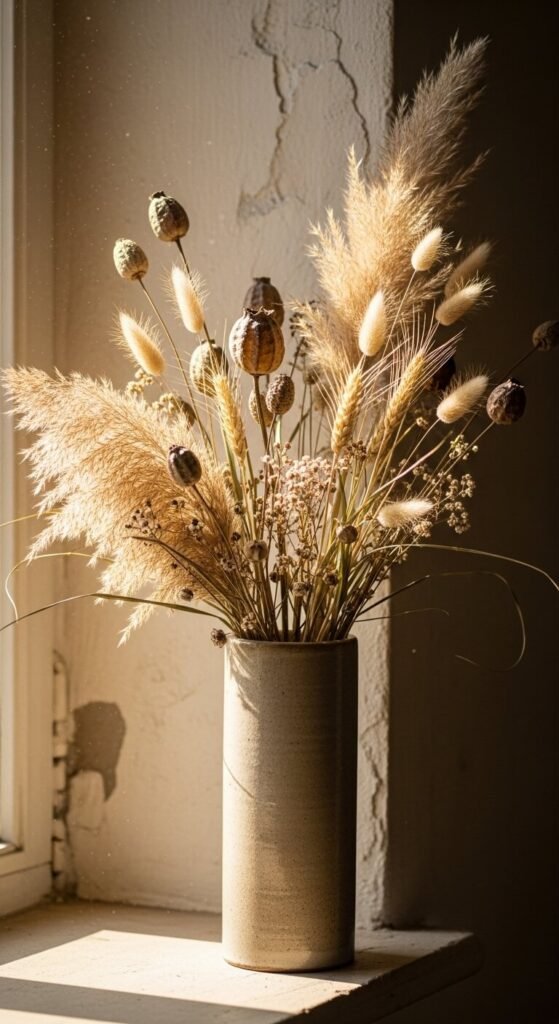
Fresh flowers die. Dried botanicals last for years — and look even better as they age. Head outside and forage seed pods, dried grasses, eucalyptus, or bare branches. Arrange them loosely in a clay pot or old bottle. No floristry skills required. The more imperfect the arrangement, the better. Dried pampas, cotton stems, and honesty plants are cheap at craft stores. These arrangements age gracefully, which is the whole idea.
5. Choose Handmade Over Mass-Produced
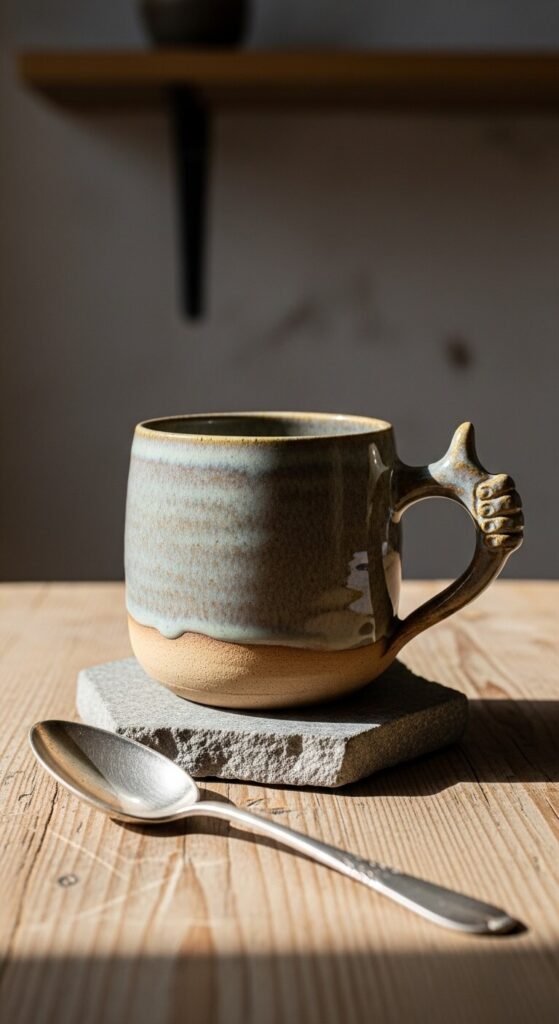
Handmade objects carry the energy of the maker. You can see the fingerprints, the slight lopsidedness, the irregular glaze. That is the value — not the perfection. Swap out one mass-produced item at a time. A handmade mug. A hand-thrown vase. A woven basket. Etsy sellers offer affordable handmade ceramics, and local pottery markets are often surprisingly budget-friendly. Even a simple hand-molded candle holder adds more warmth than anything from a big box store.
6. Let Walls Go Bare (or Nearly Bare)
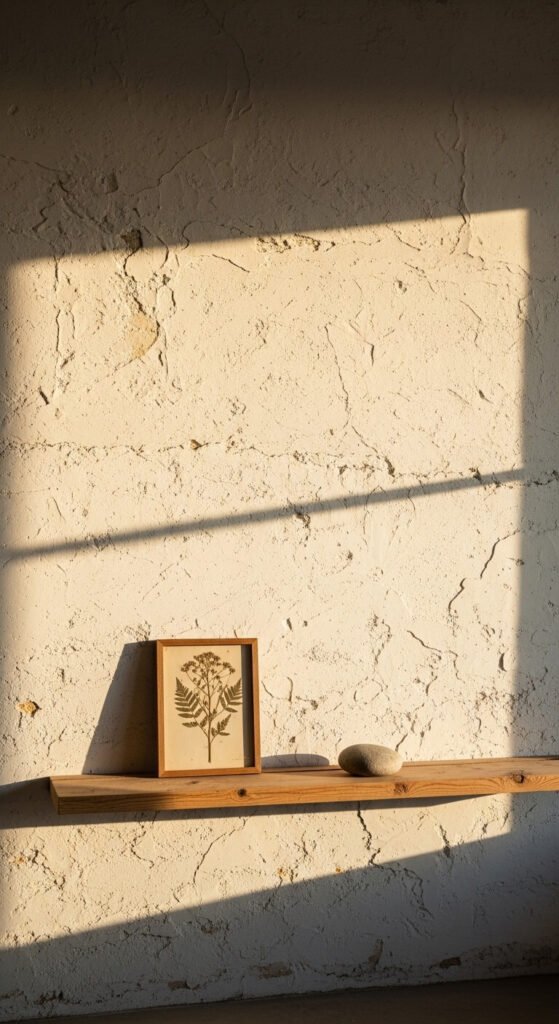
Western interiors often cover every wall. Wabi-sabi asks you to resist that urge. A bare plaster wall with texture and age is its own artwork. If you want something up, choose one piece — small, simple, honest. Press a found leaf into a frame. Hang a single piece of handmade paper. Leave most of the wall empty and let the texture do the work. Bare walls also make a room feel quieter, which is the goal.
7. Incorporate Natural Stone and River Rocks
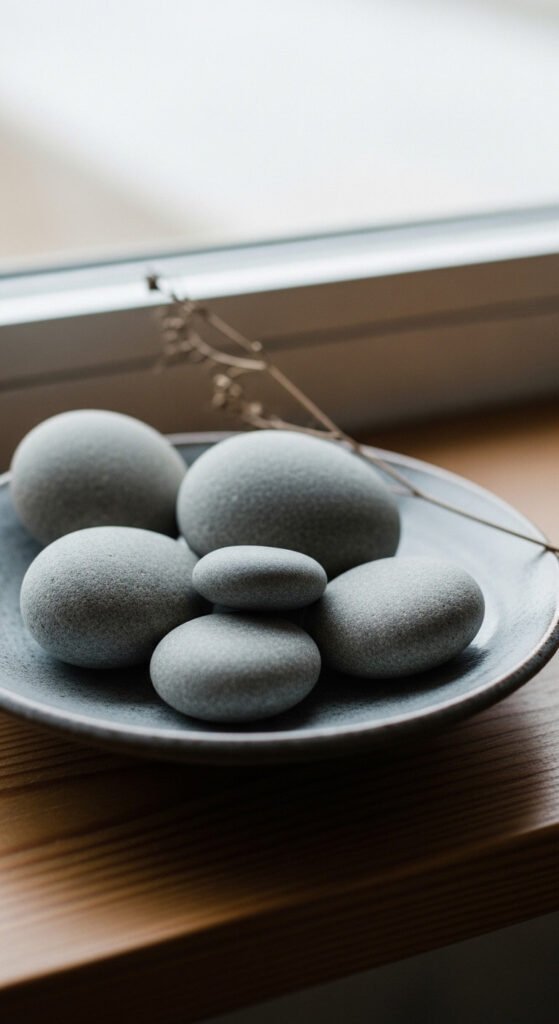
Stones are free. Collect them on a walk and bring them home. River rocks make beautiful paperweights, shelf decor, and bathroom accents. Place a flat slate stone under a candle. Stack three smooth stones on a windowsill. Fill a low dish with pebbles from the garden. There is no cost, no effort, and no wrong way to do it. Rocks age without changing. They are the most wabi-sabi object you can find.
8. Repurpose Old and Broken Things
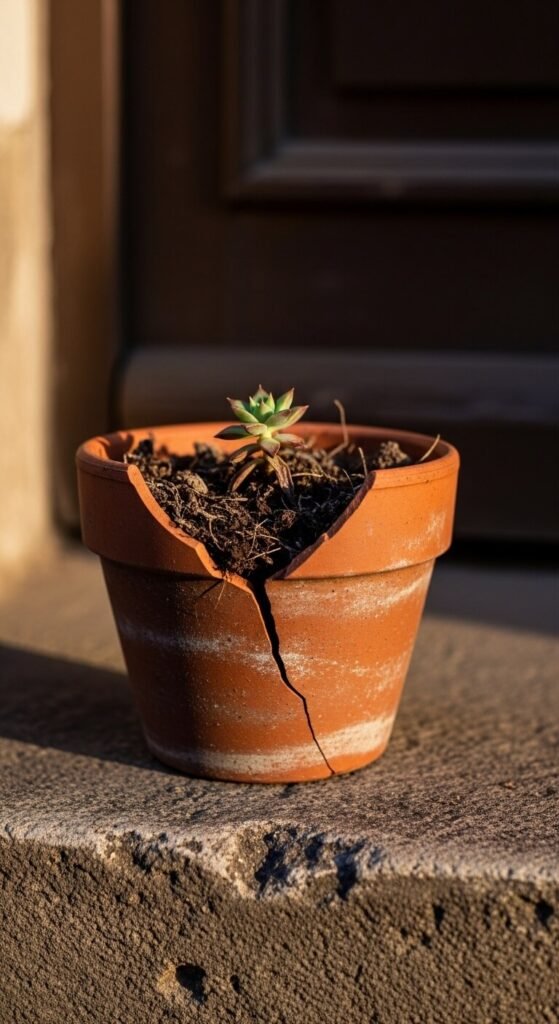
Before you throw something out, ask: can this be repurposed? A cracked pot becomes a planter. A chipped plate becomes a soap dish. A broken chair becomes a shelf. Wabi-sabi sees use in things past their original purpose. Walk through your home and look at “broken” items differently. This practice costs nothing and produces the most authentic decor you can have — because it comes directly from your own life and story.
9. Use Aged and Patinated Metals
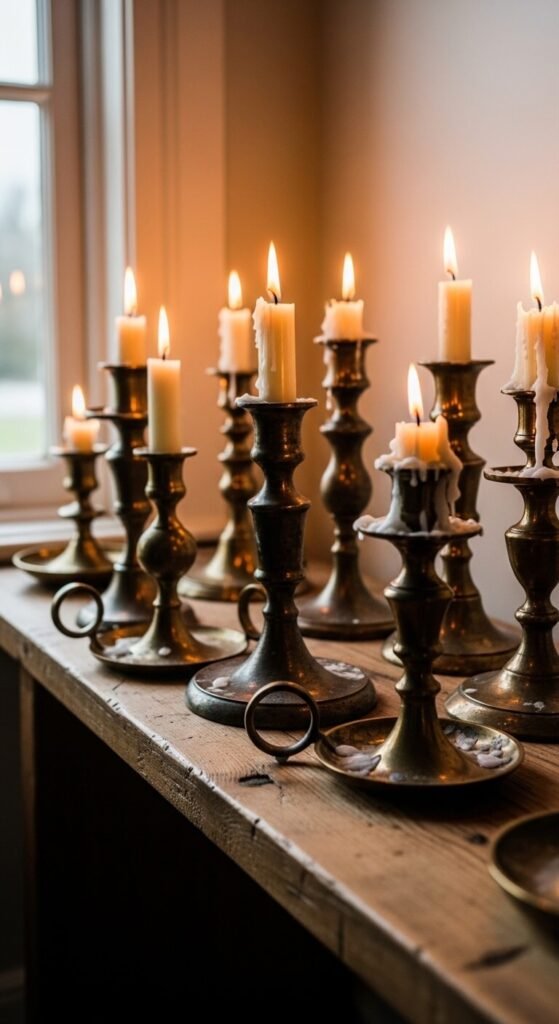
Shiny, polished brass is out. Aged, patinated brass is in. The darkening and dullness that comes with time gives metal character. Look for vintage brass candleholders, aged iron hooks, or weathered copper planters at thrift stores and antique markets. Do not clean them aggressively — let the patina stay. If you want to speed up aging on new metals, vinegar and salt work well as a DIY solution. The worn look is the finished look.
10. Choose Muted, Earthy Color Palettes
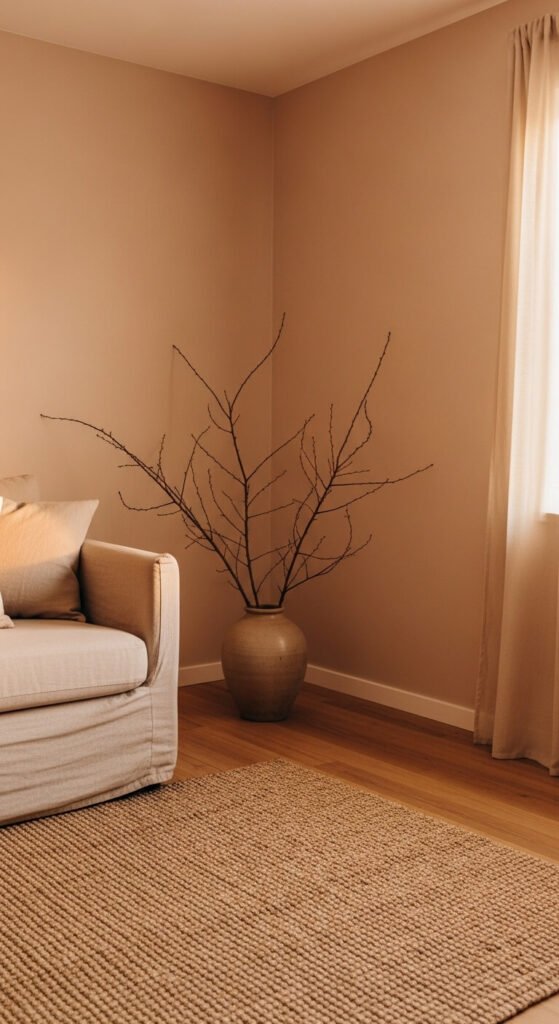
Wabi-sabi is not white walls with grey accents. The palette runs earthy and warm — clay, umber, sand, moss, slate, bark. These colors do not shout. They settle. Choose one warm earth tone for your walls and build around it. Add a deeper tone on trim or in textiles. These colors age well and photograph quietly. Look for color samples in the brown and muted green families. Benjamin Moore’s “Pale Oak” or “Clay Beige” are good starting points.
11. Keep Shelves Sparsely Styled
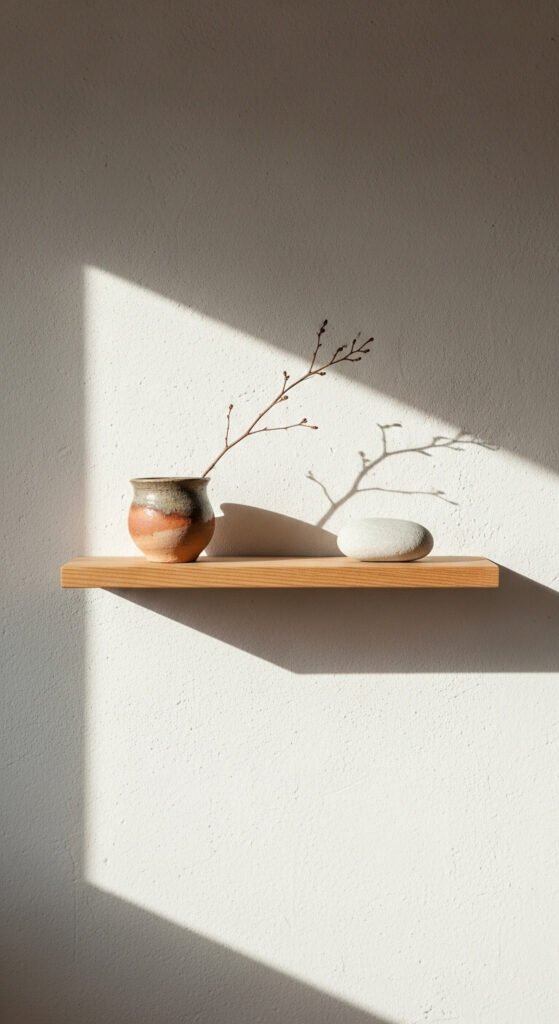
Empty space is part of the design. Western shelving tends to be crowded and layered. Wabi-sabi shelving breathes. Take everything off one shelf. Put back only three items maximum. Space them out with intention. Odd numbers work best — one, three, or five objects per surface. The gaps between objects are just as important as the objects themselves. You will be surprised how much calmer a room feels with just a few honest things on display.
12. Bring in Handwoven Baskets and Trays
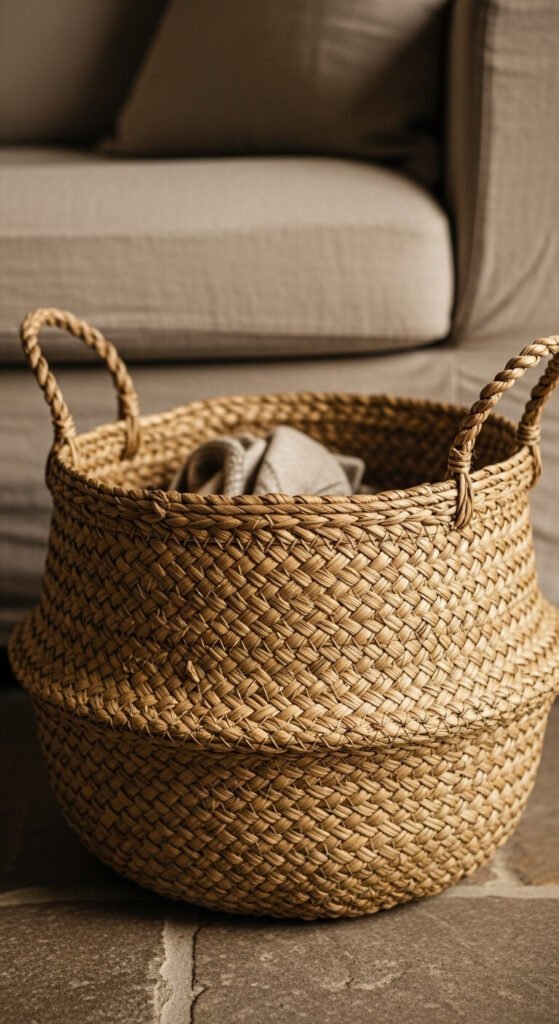
Woven baskets are functional and beautiful — and they get better with use. Use them to store blankets, hold towels, carry firewood, or simply sit empty on the floor. Look for natural materials: seagrass, water hyacinth, rattan, or jute. Thrift stores often have them for a few dollars. Avoid baskets with painted patterns or plastic fibers. The raw, imperfect weave is what gives them their warmth. Small baskets also work well as planters.
13. Let Plants Age and Wither Naturally
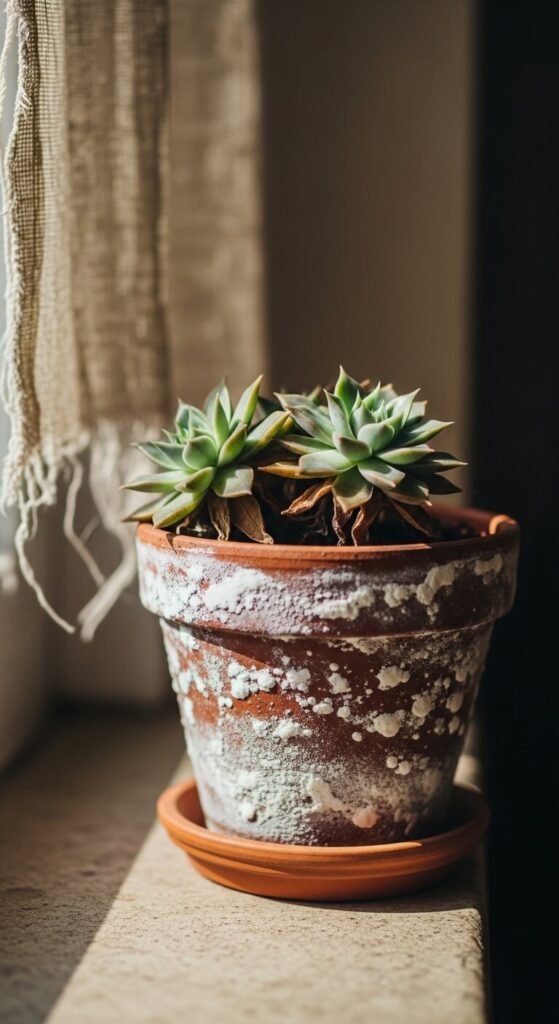
Perfect plants are not the wabi-sabi way. A slightly weathered succulent, a cactus with a lean, a trailing vine that is a little leggy — these are honest plants. Stop trying to make every plant perfectly full and symmetrical. Let some dry down, lean naturally, and age. Aged terracotta pots with calcium rings and rust stains are ideal containers. The plant and pot age together, and that gradual change is something worth watching.
14. Use Undyed, Natural Rugs
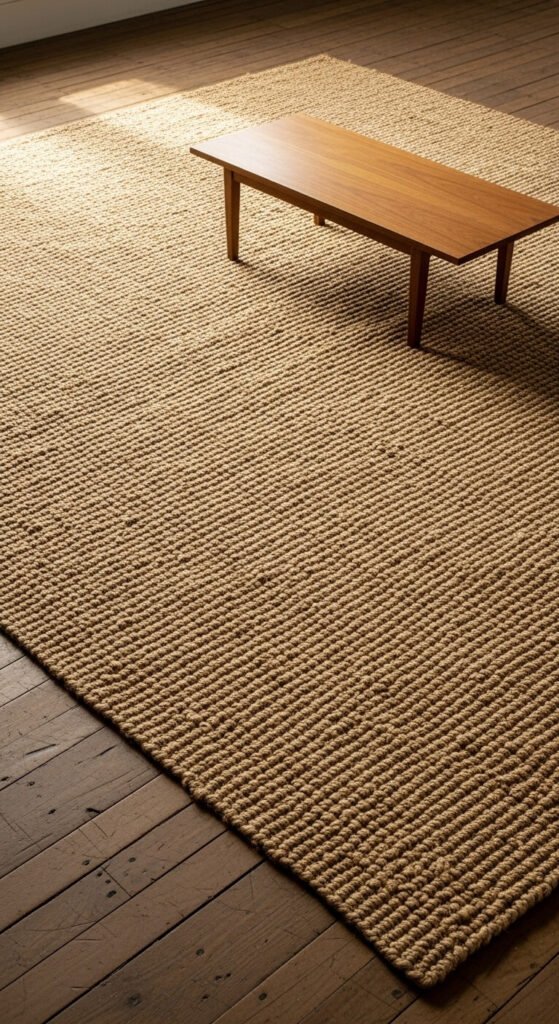
Bright, patterned rugs compete for attention. Natural fiber rugs — jute, sisal, seagrass, undyed wool — quietly anchor a room. They do not need to match anything because they match everything. They also age with grace, fading gently and softening underfoot. A basic jute rug from IKEA or Amazon starts around $40. Layer a smaller vintage rug on top for texture without overwhelming the space. Keep the pattern minimal or absent entirely.
15. Display Found Objects From Nature
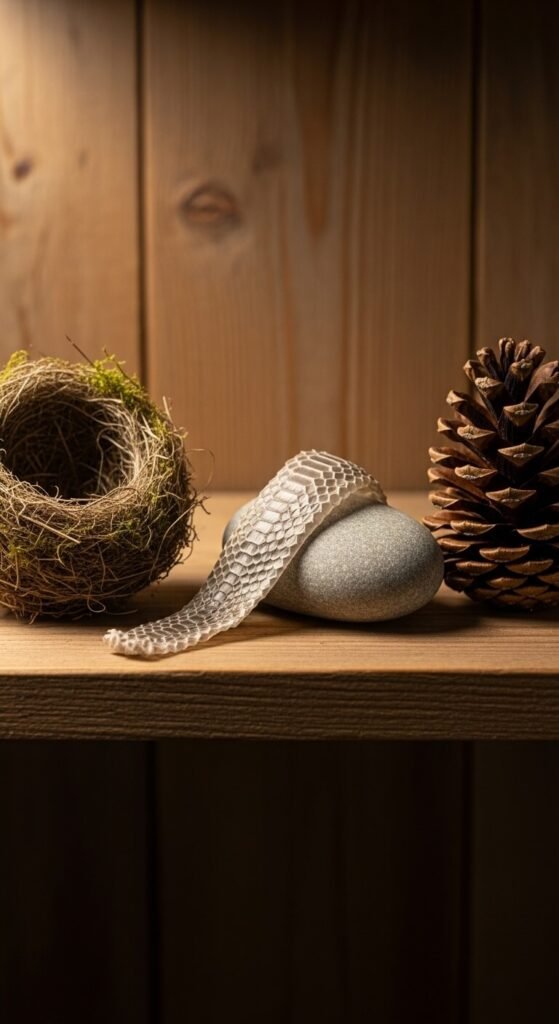
A bird’s nest. A shed snakeskin. A piece of driftwood. A pinecone. These are some of the most beautiful things in existence, and they cost nothing. Take a slow walk somewhere natural and bring back one or two objects. Display them with space and care. Rotate them with the seasons. Found objects carry a realness that purchased decor never quite achieves. They also tell a story about where you have been, which makes your home uniquely yours.
16. Choose Low, Floor-Level Furniture
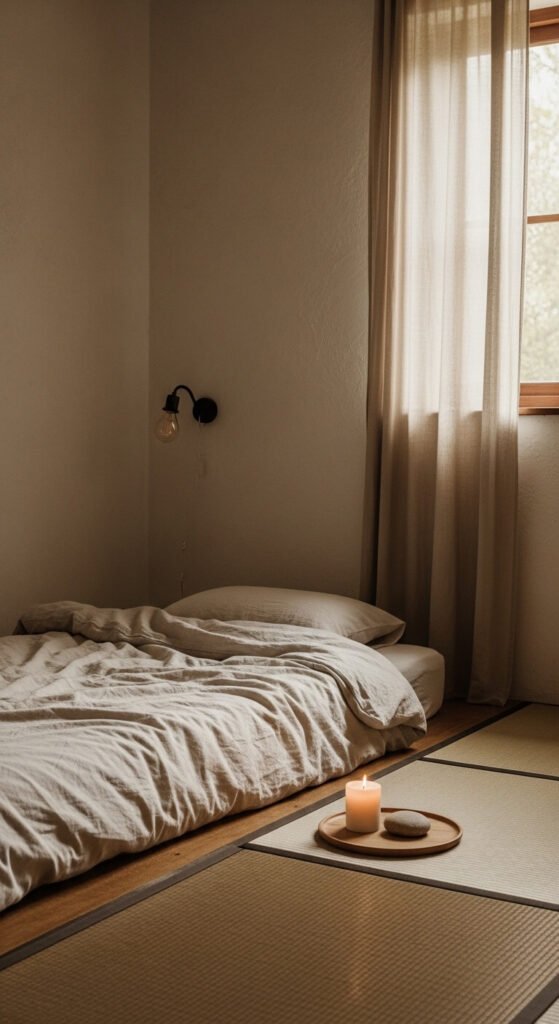
Low furniture brings calm. Platform beds, floor cushions, low coffee tables, and poufs all create a grounded, unhurried feeling in a space. You do not need to replace everything. Start with floor cushions — a few large ones stacked in a corner cost under $40 each and completely change the mood. Lower furniture also makes rooms feel larger. It is harder to feel anxious when you are closer to the ground.
17. Hang Imperfect, Handmade Art
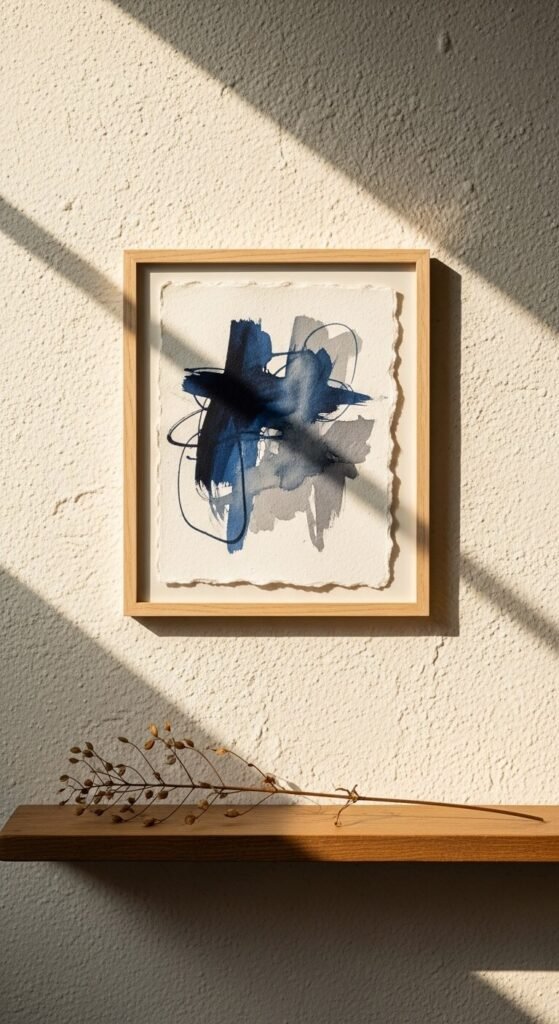
Art does not need to be expensive or perfect. Make your own. Take a piece of watercolor paper and paint one loose brushstroke in black ink. Let it dry, trim loosely, and frame it. That is art. You can also press flowers between book pages for a week, then frame the dried result. Simple, handmade, honest pieces work far better in a wabi-sabi space than framed prints from a big-box store. The imperfections in the paper and brushwork are features.
18. Leave Some Walls With Raw Plaster or Texture
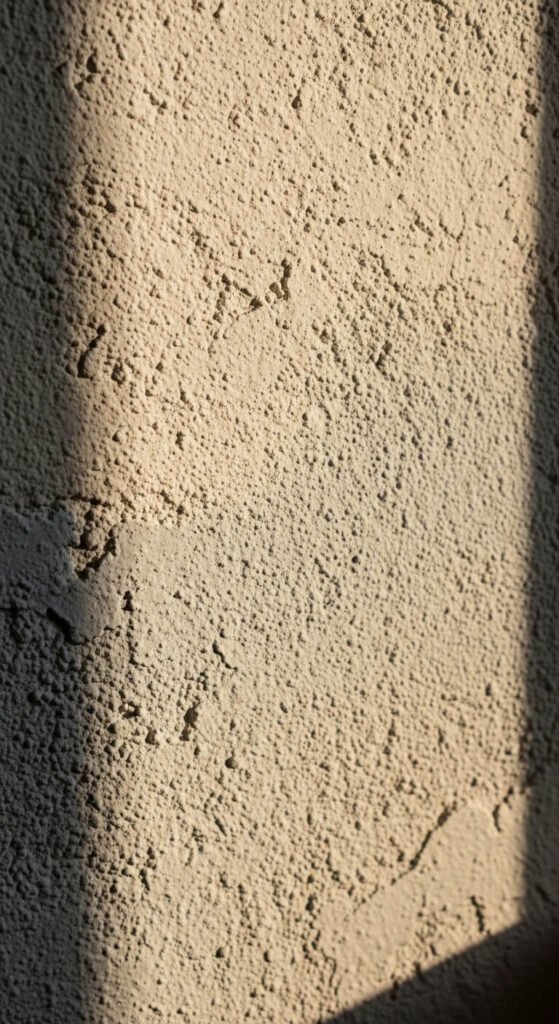
Smooth, flat, painted-white walls are the default. But raw plaster walls have warmth and life that no paint can replicate. If you are renovating, consider leaving one wall with a limewash or textured plaster finish. Products like Venetian plaster or Roman clay (available at most hardware stores) let you DIY this look for the price of paint. Apply it loosely, unevenly, in overlapping coats. The imperfect layering is exactly what makes it beautiful.
19. Use Candlelight Instead of Overhead Lighting
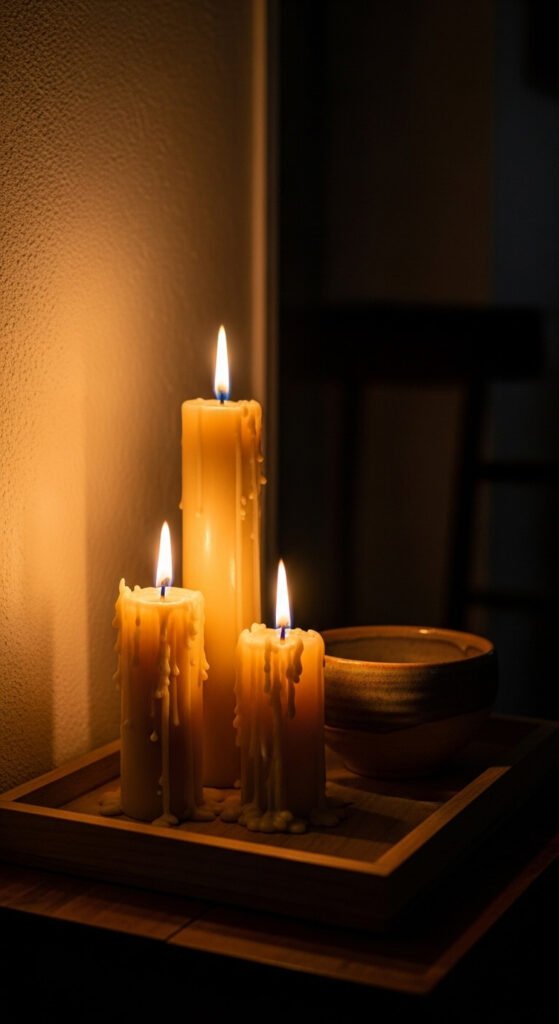
Overhead lights flatten a room. Candlelight shapes it. Warm, flickering light creates shadows, depth, and intimacy that electric light cannot replicate. Swap out your evening overhead lights for clusters of candles on trays. Beeswax candles burn longer and smell clean. Group them in odd numbers on low surfaces — the floor, coffee tables, window ledges. Salt lamps also work well. Dimmer switches are a low-cost way to soften electric light when candles are not practical.
20. Let Fabric Wrinkle and Relax
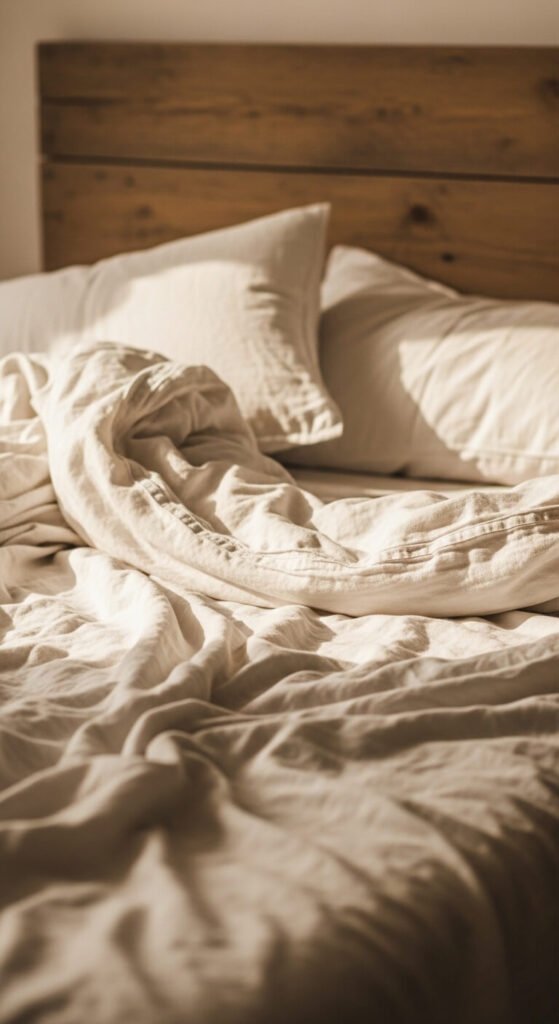
Stop ironing your linen. Wabi-sabi sees wrinkled fabric not as a mess, but as proof of use and life. Let your curtains pool and wrinkle. Let your throw sit exactly where it was last used. Let your bedding settle. The natural looseness of unwashed, un-ironed fabric is one of the most pleasant textures in a home. Linen and cotton soften with every wash, becoming more beautiful the longer they are used. That worn softness is the goal.
21. Incorporate Washi Tape and Paper as Decor
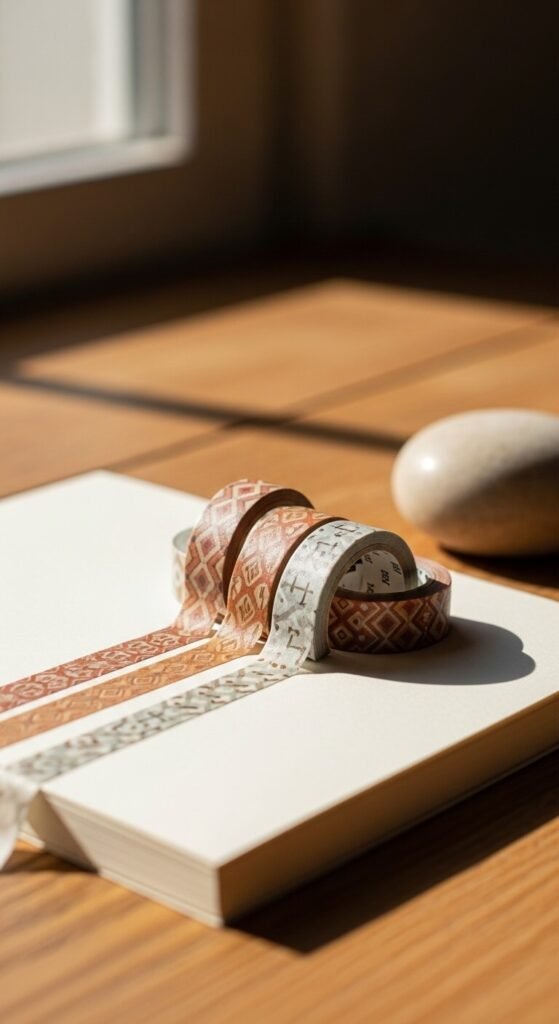
Washi tape is a Japanese masking tape with beautiful textures and muted patterns. It is temporary, affordable, and genuinely wabi-sabi in spirit. Use it to frame a piece of paper art on a wall. Mark a shelf edge with a strip of earthy patterned tape. Patch a slight tear on a lampshade. It costs under $5 a roll and works on almost any surface. Because it is temporary, it encourages you to keep changing things — which is the wabi-sabi spirit in action.
22. Display Your Books Honestly
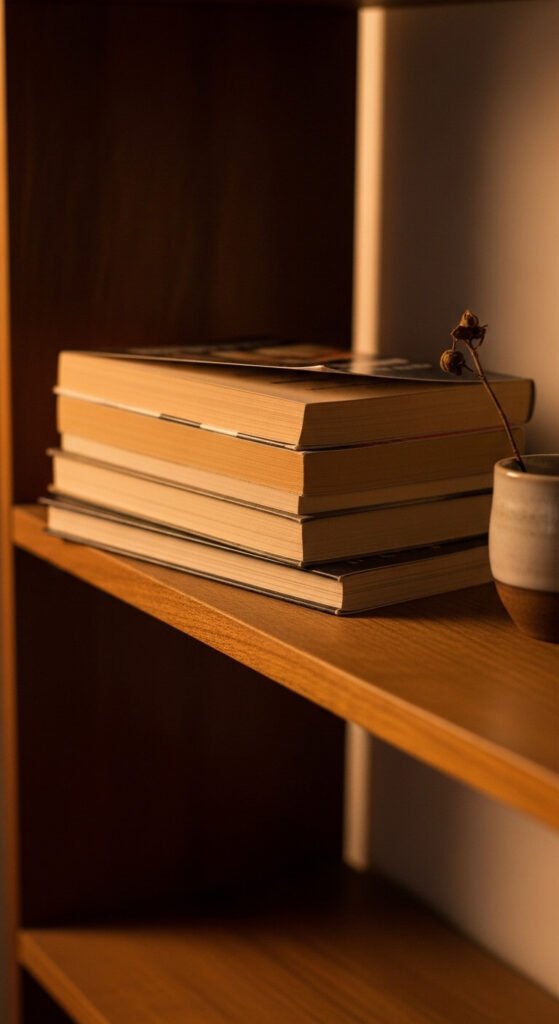
Stop hiding your most-loved books because their spines are worn. A creased spine, a dog-eared page, a faded cover — these are beautiful. Display the books you have actually read, with all their wear showing. Stack a few horizontally on a shelf with an object on top. Line them up without forcing them into a perfect row. Wabi-sabi bookshelves feel lived-in because they are. Your books carry your history. Let them show it.
23. Bring Moss and Lichen Indoors
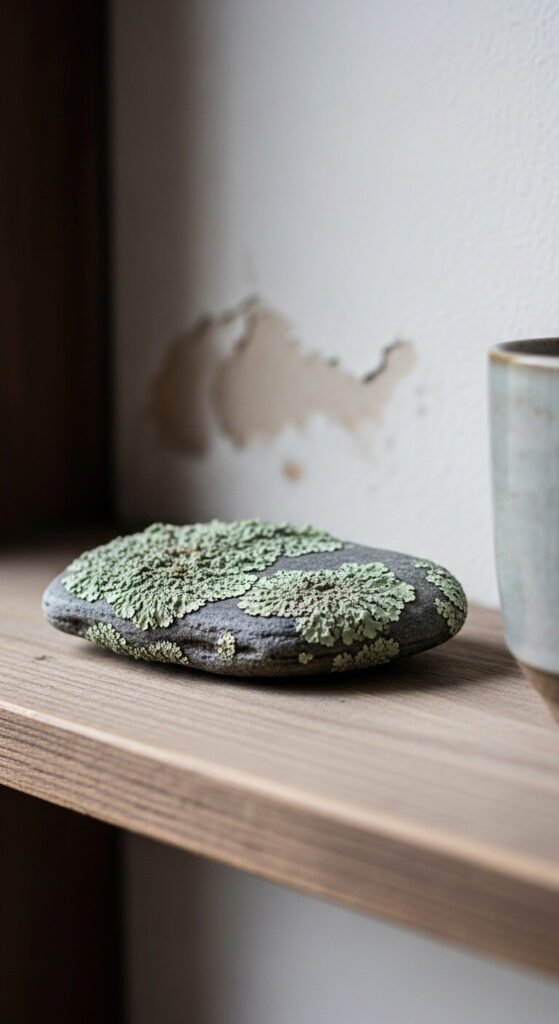
Moss and lichen are free, living textures. Collect a piece of bark covered in lichen from a fallen branch. Place a clump of preserved moss in a shallow dish. Make a small moss terrarium in an old glass jar with no lid. Preserved sheet moss (available cheaply online) lasts for years without watering and looks incredible in wabi-sabi spaces. Green, grey-green, and silver-green tones add life to a shelf without the maintenance of a traditional houseplant.
24. Use Salvaged and Second-Hand Furniture
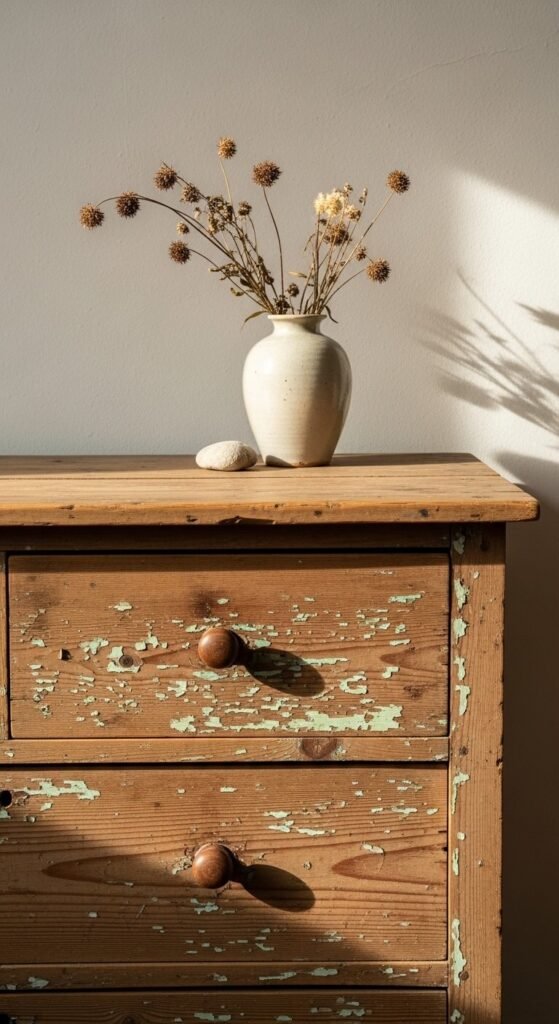
Second-hand furniture is the most wabi-sabi furniture you can buy. It arrives already imperfect, already aged, already carrying a story. Look at estate sales, Facebook Marketplace, and thrift shops. Do not sand away the patina or repaint in white. Let the worn layers stay. A dresser with chipped paint is more interesting than a new one. A table with water rings has history. Buying second-hand also costs a fraction of new furniture. The imperfections are not problems — they are provenance.
25. Make Peace with Asymmetry
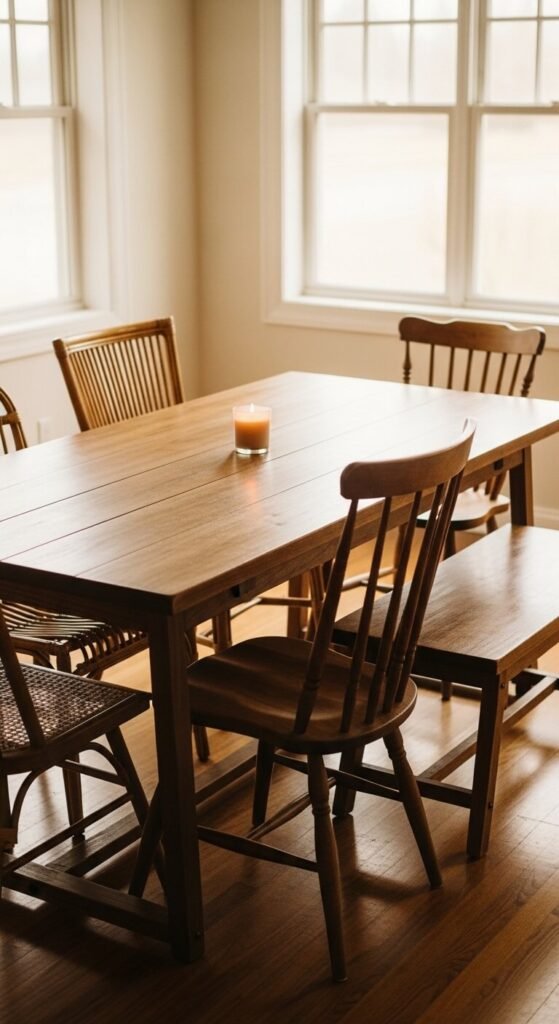
Perfect symmetry is a Western obsession. Wabi-sabi prefers the off-center, the unmatched, the almost-balanced. Hang a piece of art slightly off-center. Use mismatched chairs at a table. Stack objects at different heights on a shelf without mirroring. Asymmetry creates energy and naturalness. It feels like a living thing arranged it, rather than a machine. Train your eye to appreciate the slightly crooked and imperfectly balanced. It takes practice, but it eventually feels more right than rigid symmetry.
26. Use Old Glass Bottles as Vases
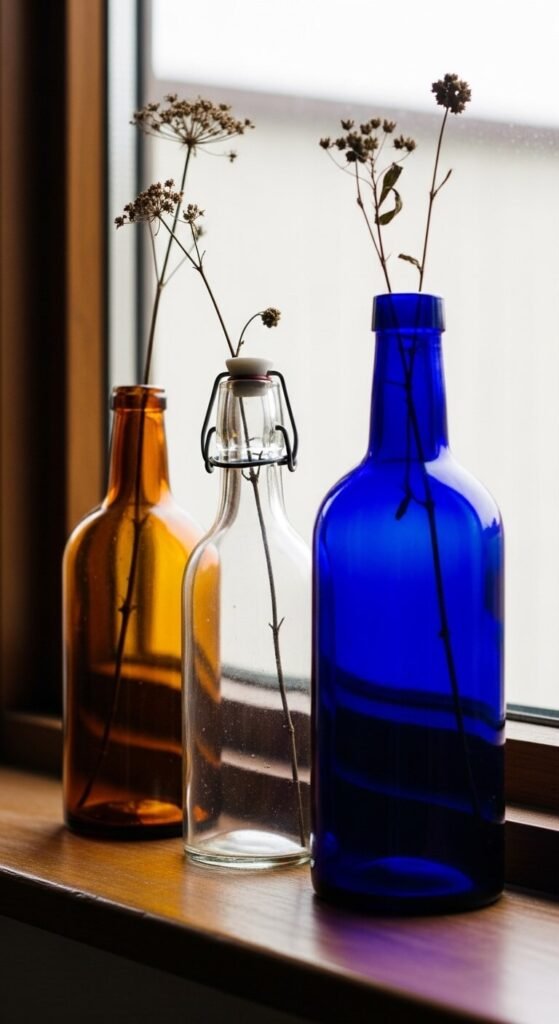
Old bottles are perfect wabi-sabi vases. Amber pharmacy bottles, green wine bottles, clear old milk bottles, dark beer bottles — each one already has character. Collect them, clean them, and use them to hold a single dried stem or fresh flower. A cluster of different-sized bottles on a windowsill is one of the easiest and most beautiful wabi-sabi displays you can create. They cost nothing and improve every time the light changes around them.
27. Hang Handwoven Textile Art
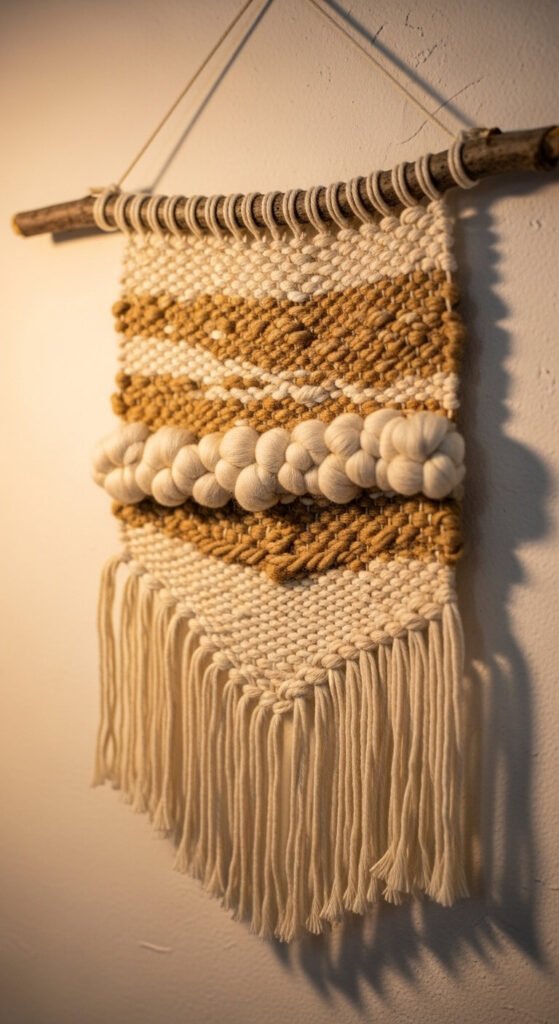
Textile wall hangings are one of the most accessible wabi-sabi DIY projects. You need a stick, some yarn, and a basic loom or even just your fingers. Beginner weaving is easy to learn from YouTube. Use natural, undyed fibers — cotton, wool, linen, jute. The imperfections in your weaving are not mistakes. They are exactly what makes it art. Finished pieces cost about $10 in materials and look extraordinary on a bare plaster wall.
28. Let Light Change the Space Naturally
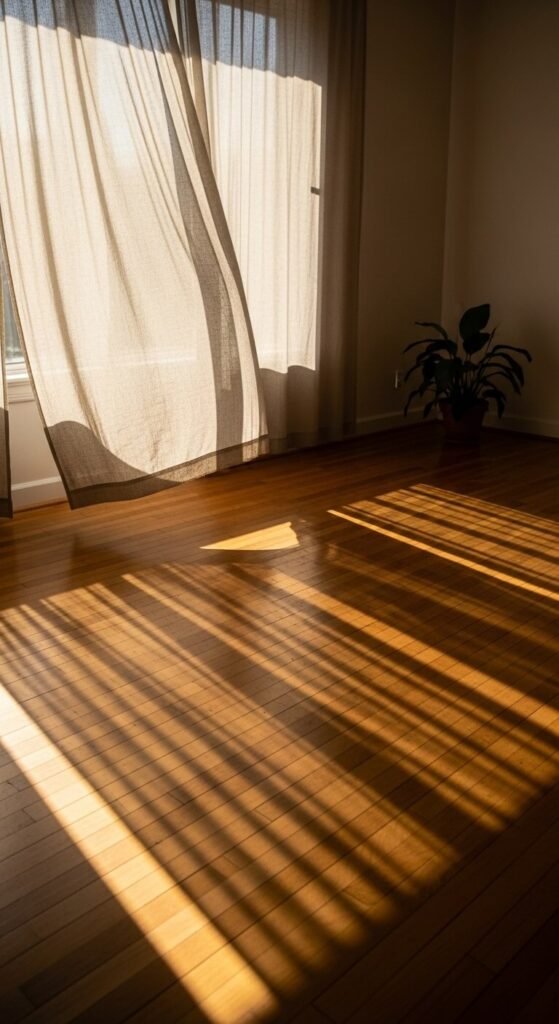
Natural light is the most wabi-sabi design element in your home — and it costs nothing. Instead of controlling light with heavy curtains and overhead bulbs, let it move through your space. Use sheer linen or cotton curtains. Watch how light moves across a wooden floor in the morning. Notice how afternoon shadows change the look of a textured wall. Wabi-sabi design is deeply aware of time passing, and changing light is time made visible. Sit with it.
29. Accept and Highlight Aging in Your Home
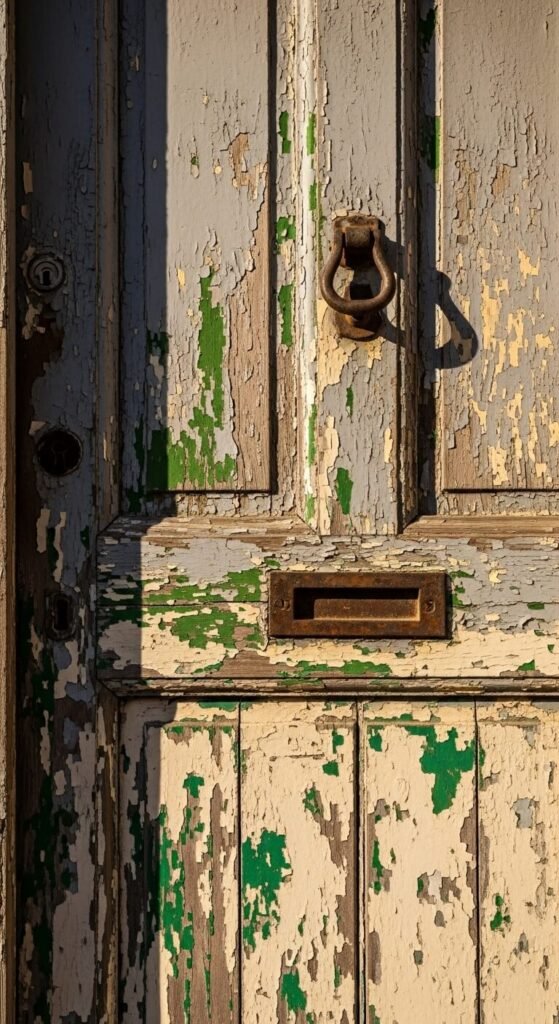
The aging of your home is not a problem to fix. A door with peeling paint layers. A floor with worn patches. A wall with a faded spot from an old picture frame. These marks record time passing. Before you rush to repaint or refinish, pause. Is this mark telling a story? Sometimes the answer is yes, and the right choice is to leave it. Wabi-sabi asks you to participate in your home’s aging, rather than constantly resisting it.
30. Create One Intentional Empty Corner
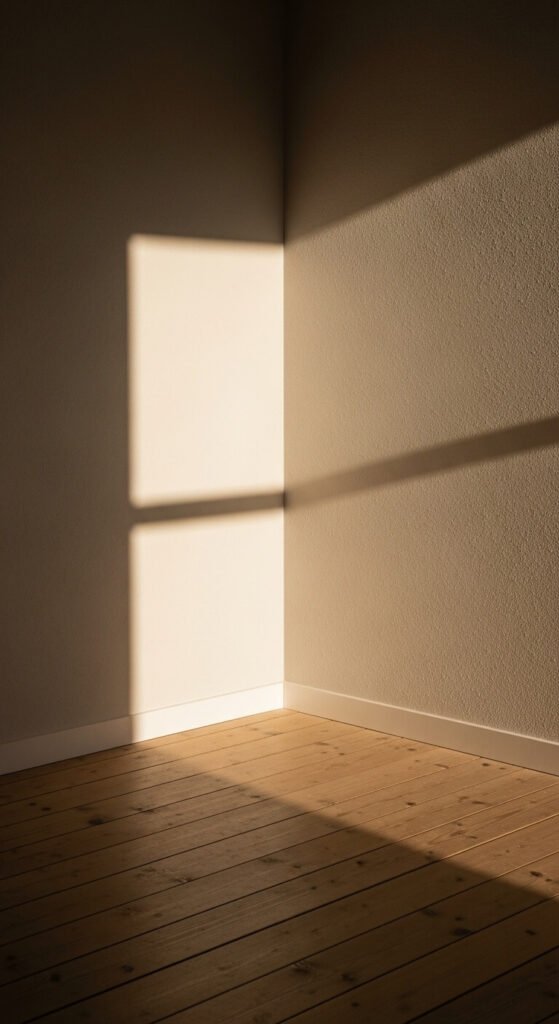
The most radical wabi-sabi act is creating emptiness on purpose. Choose one corner of your home and leave it empty. No plant, no chair, no lamp, nothing. Let it be a corner where light moves and shadows fall and there is simply space. You will be surprised how much you start to notice — the way the light changes, the sound of the room, the texture of the wall at certain times of day. Emptiness is not absence. In wabi-sabi, it is the point.
Conclusion
Wabi-sabi is not a style you can buy. It is a way of seeing. The 30 principles here are not a checklist to complete — they are an invitation to slow down and look at your home differently. Start with one small change. Pick up a river stone on your next walk. Display a chipped mug instead of hiding it. Let one shelf breathe. Wash your linen and skip the iron. Each small step moves you toward a home that feels honest, calm, and genuinely yours. A perfect home asks nothing of you but performance. A wabi-sabi home asks only that you be present in it. That is a much better deal.