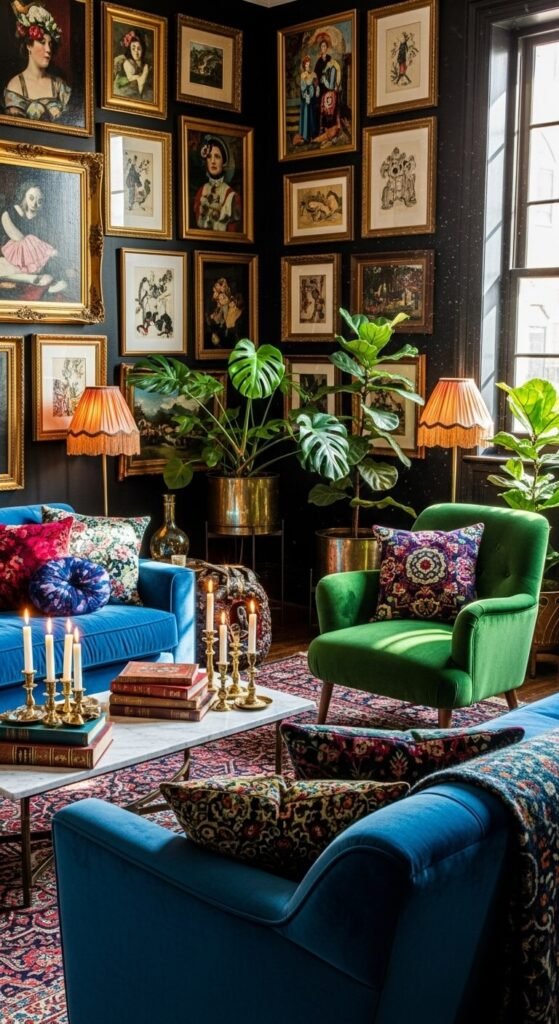
Maximalist decor isn’t about clutter—it’s about courage. If you’ve ever walked into a room and felt like something was missing, chances are you’ve been playing it too safe. Your home should tell your story, not whisper it. Maximalism celebrates the things you love without apologizing. Bold patterns, unexpected color combinations, and collections that spark joy all get a seat at the table. This approach works for any budget because it’s about what you already own and love, not what you think you should buy. Ready to transform your space into something that feels authentically you? These 30 ideas will help you layer, mix, and celebrate every piece that makes you smile.
Mix Three Bold Patterns in One Space
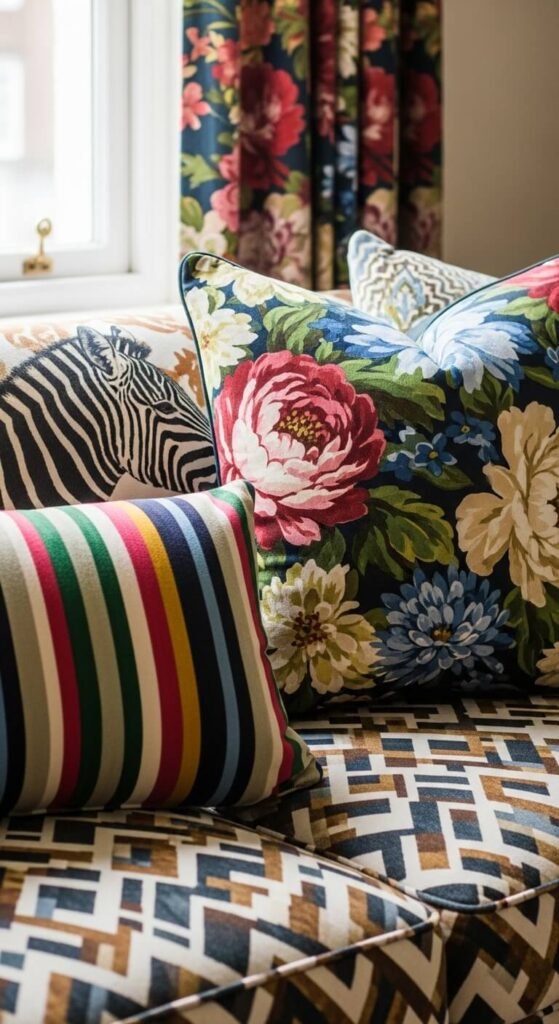
Start small with throw pillows. Grab one striped, one floral, one geometric. The trick? Share at least one color across all three patterns. This creates visual harmony while keeping things exciting.
Don’t overthink the “rules.” Your eye knows what works. Place them on your sofa and step back. If it makes you happy, you’ve won.
Budget tip: Thrift store pillow covers cost $2-5 each. Mix vintage finds with new pieces. You’ll create a collected-over-time look that feels authentic and personal.
Layer Four Different Rugs
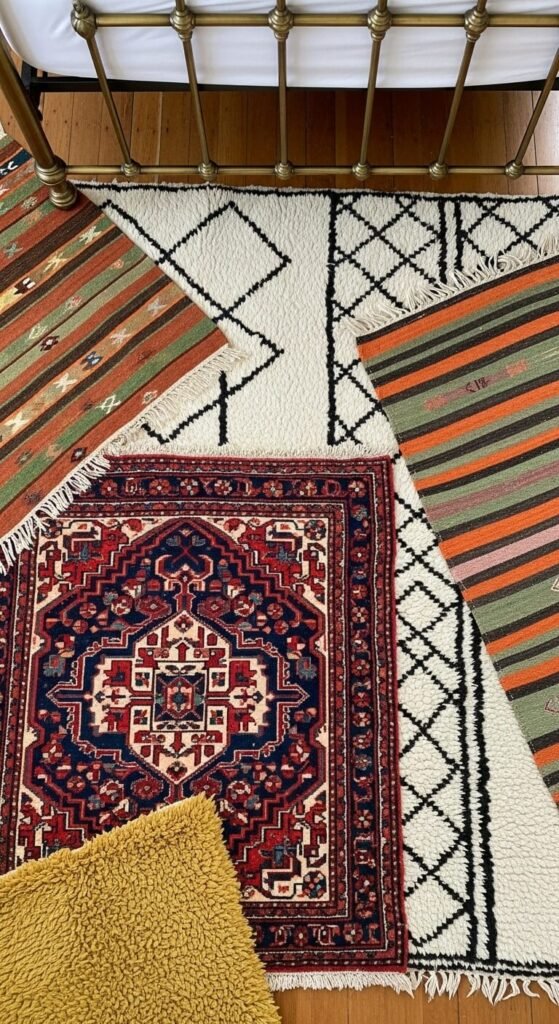
Start with your largest rug as the base. Add smaller ones on top, slightly offset. Different textures work better than matching sets.
Hit estate sales for vintage runners. A faded Persian rug adds character that new ones lack. Layer a small shag rug over it near your reading chair.
The floor becomes artwork. This approach also hides wear on older rugs. Plus, you can rotate them seasonally without committing to one look year-round.
Paint Each Wall a Different Color
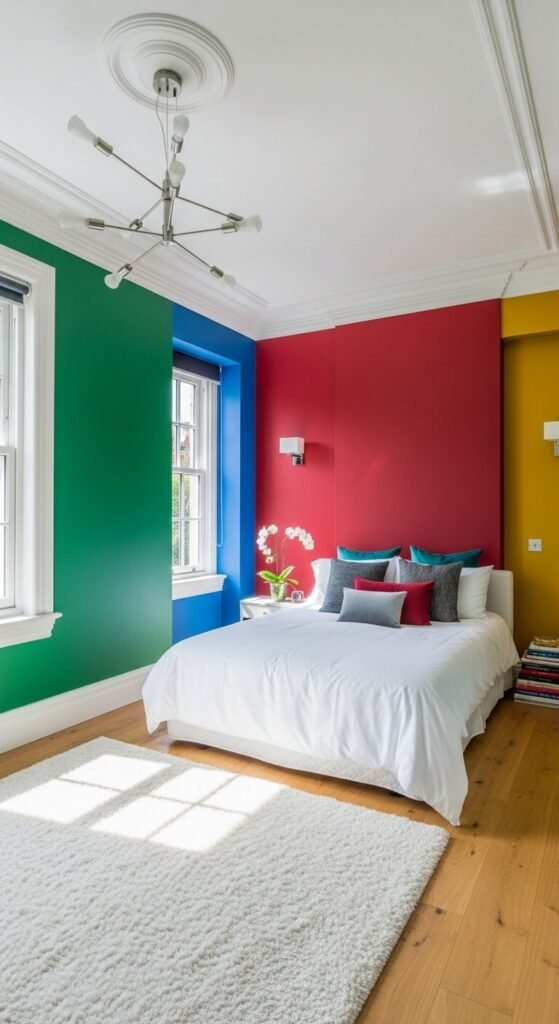
Pick four colors from one paint strip. This keeps them related even when bold. Paint one wall each Saturday—it’s a manageable weekend project.
Your furniture will pop against these backgrounds. A simple white bed becomes sculptural against emerald walls. Wood tones glow next to deep blues.
Sample sizes cost under $5. Test big swatches before committing. Live with them for a week. The right colors will energize you every morning.
Create a Gallery Wall to the Ceiling
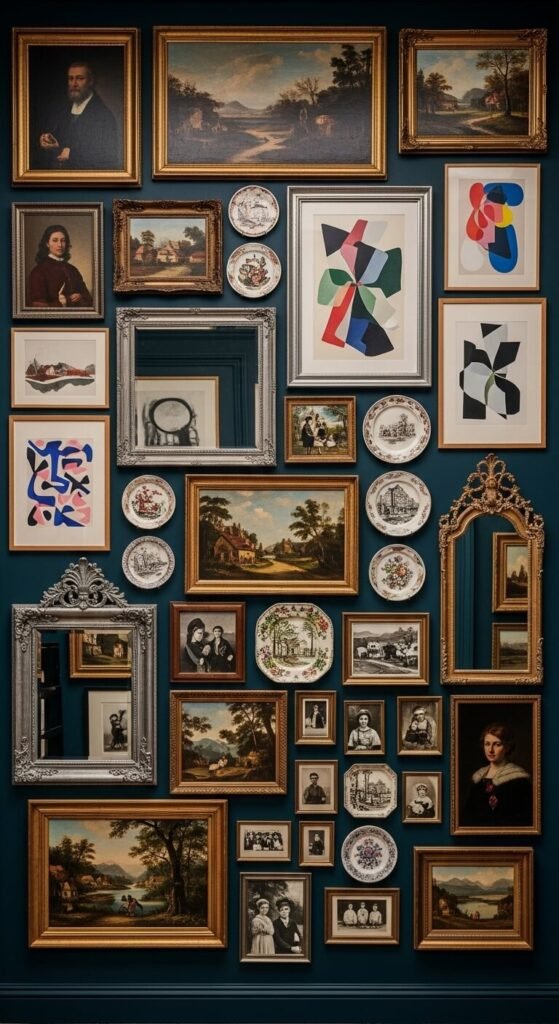
Forget the “rule of thirds.” Go floor to ceiling. Use every inch. Mix frames—gold, black, wood, white. Different sizes create rhythm.
Start at eye level and work outward. Use painter’s tape to plan your layout on the wall first. This saves nail holes and frustration.
Frame anything meaningful. Concert tickets, fabric swatches, postcards, your kid’s artwork. Dollar store frames work perfectly. Spray paint them if needed. This costs pennies compared to buying matching sets.
Stack Books Everywhere as Decor
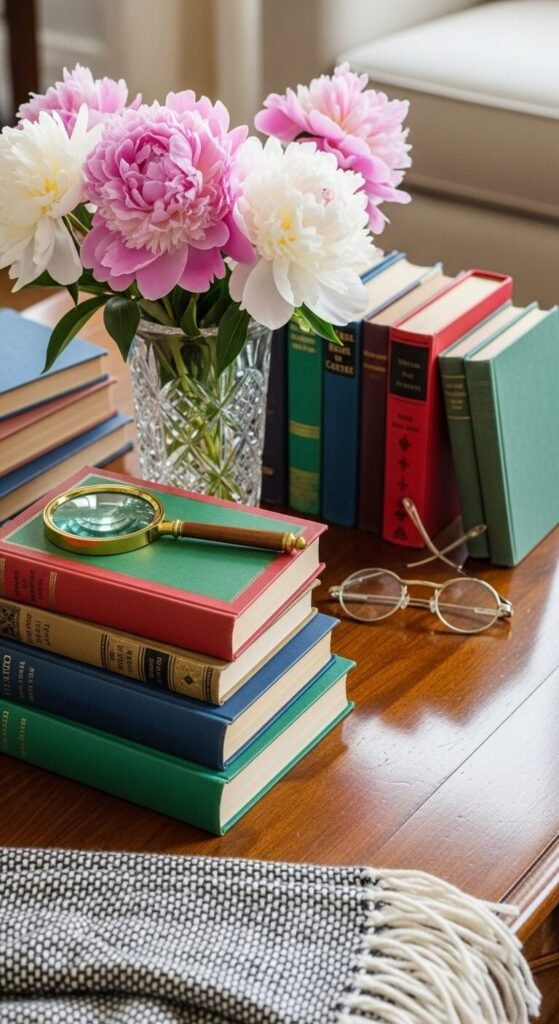
Books belong on more than shelves. Stack them under lamps to add height. Pile them on coffee tables. Create side tables from tall stacks.
Sort by color for visual impact. A rainbow bookshelf becomes an art installation. Or group by size for a more organic feel.
Thrift books cost 50 cents. Old encyclopedias with worn spines add instant character. Top stacks with plants, candles, or small sculptures. This layers your decor vertically and draws the eye upward.
Hang Curtains From the Ceiling
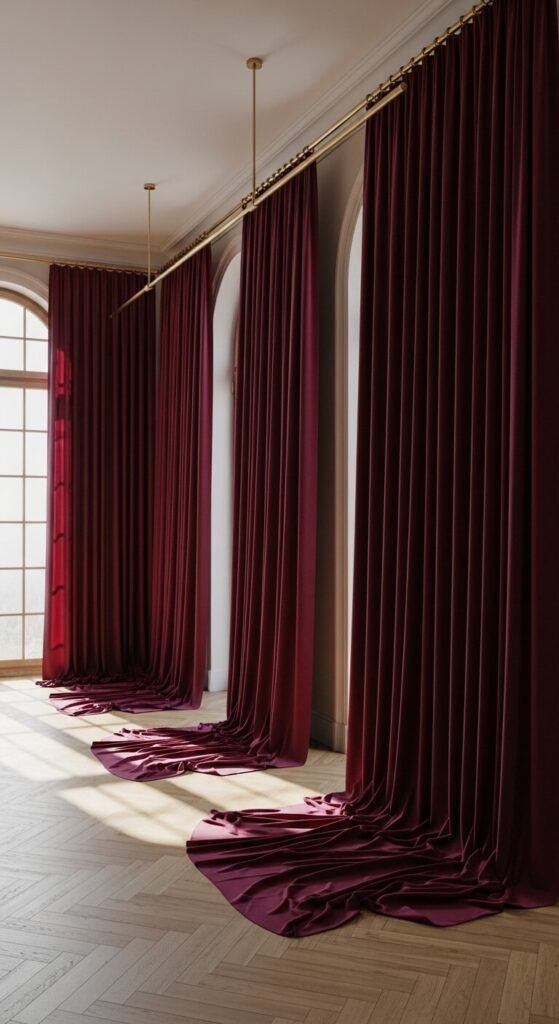
Mount curtain rods at ceiling height, not above the window frame. Your walls will look taller instantly. Let fabric pool on the floor for drama.
Velvet adds luxury. Patterned fabric adds personality. Mix different panels if you want—maximalism allows it. Just keep the length consistent.
Measure from ceiling to floor, then add six inches. Target clearance curtains drop to $10-15. You need the drama, not the price tag. Iron or steam them well for that expensive look.
Display Collections Out in the Open
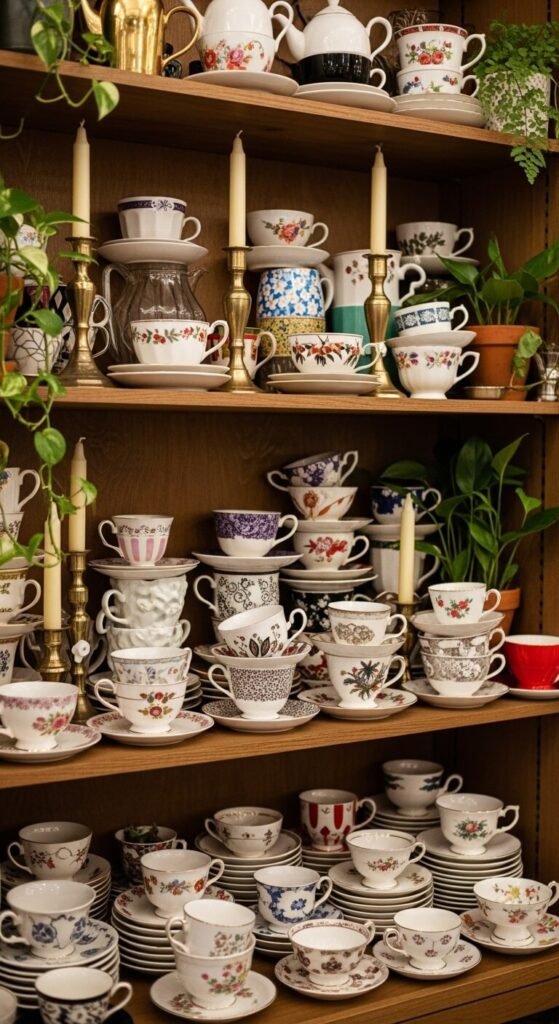
Whatever you collect deserves to be seen. Teacups, vintage cameras, toy cars—put them on open shelves. Your passion becomes your decor.
Group by color or size. This creates order within abundance. Leave some breathing room between clusters so individual pieces stand out.
Dollar store risers help create levels. This adds dimension to flat shelves. Rotate your display seasonally. What you love should surround you, not hide in boxes.
Add a Bold Patterned Ceiling
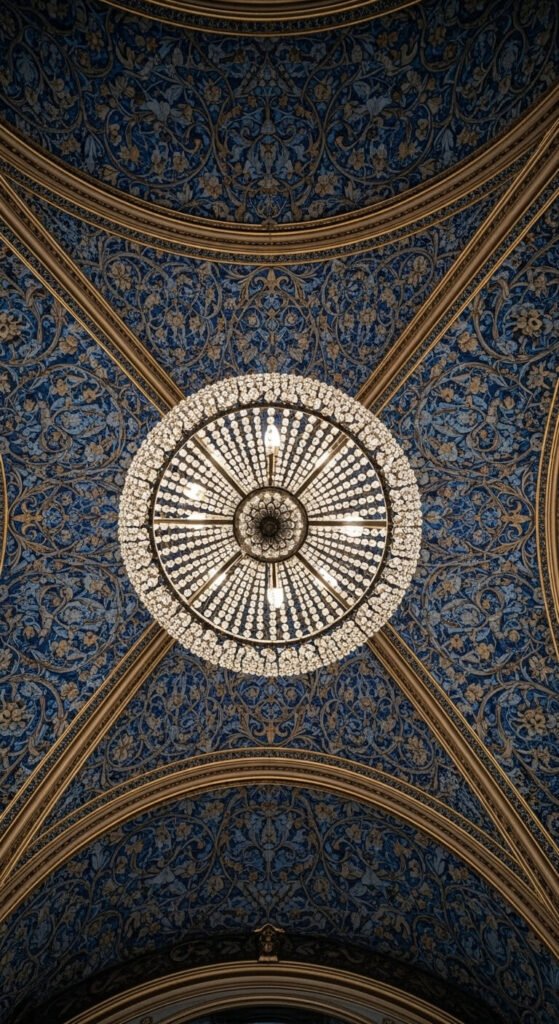
The fifth wall deserves attention. Wallpaper or paint your ceiling. Stripes make rooms feel taller. Florals create a canopy effect.
Peel-and-stick wallpaper makes this renter-friendly. Apply it in sections over a weekend. Choose something that complements your wall colors without matching exactly.
Start in a small room like a powder bath. This builds confidence before tackling larger spaces. The wow factor is worth the neck ache while installing.
Mix Metals Without Hesitation
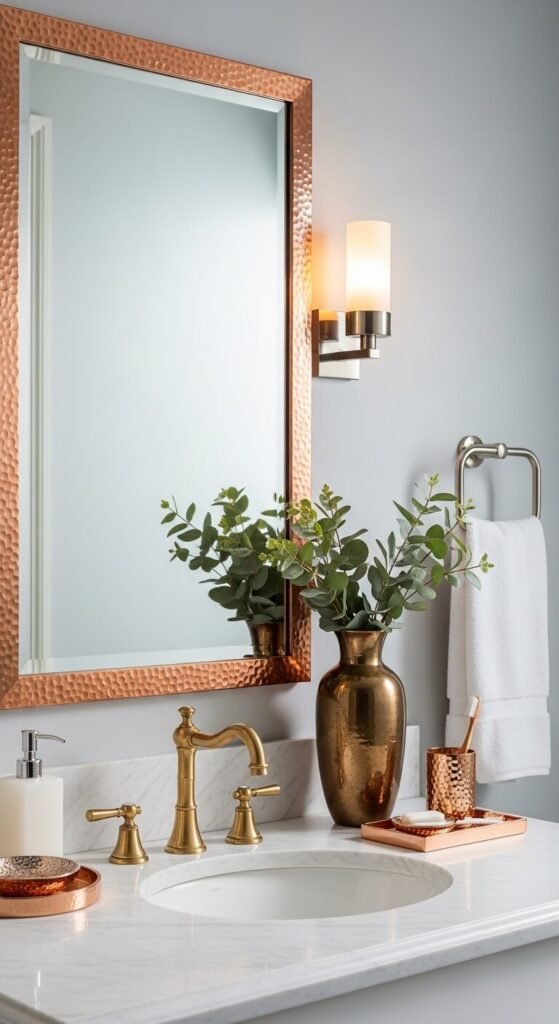
Brass, silver, copper, bronze—use them all. The “everything must match” rule is outdated. Mixed metals look collected and personal.
Your existing hardware can stay. Add new pieces in different finishes. Brass candlesticks next to silver picture frames? Perfect.
Spray paint changes everything. Thrift store finds become custom pieces. Gold, rose gold, copper metallic sprays cost $5. Let pieces dry fully between coats for the best finish.
Embrace Velvet on Multiple Surfaces
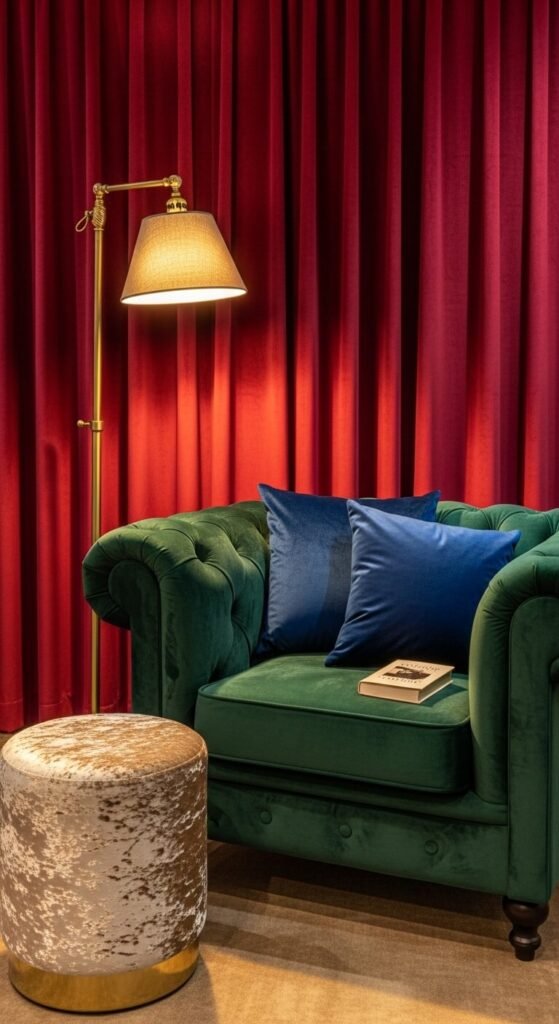
Velvet isn’t just for holiday decor. Use it year-round. The texture catches light differently throughout the day, creating depth and richness.
Start with one velvet piece. A chair, ottoman, or curtain panel. See how you love the look before adding more. Different velvet colors in one room work beautifully together.
Velvet pillow covers start at $8 online. You’ll get that luxury feel without reupholstering furniture. Deep jewel tones photograph especially well and hide minor stains.
Create Seating Groups Throughout Your Home
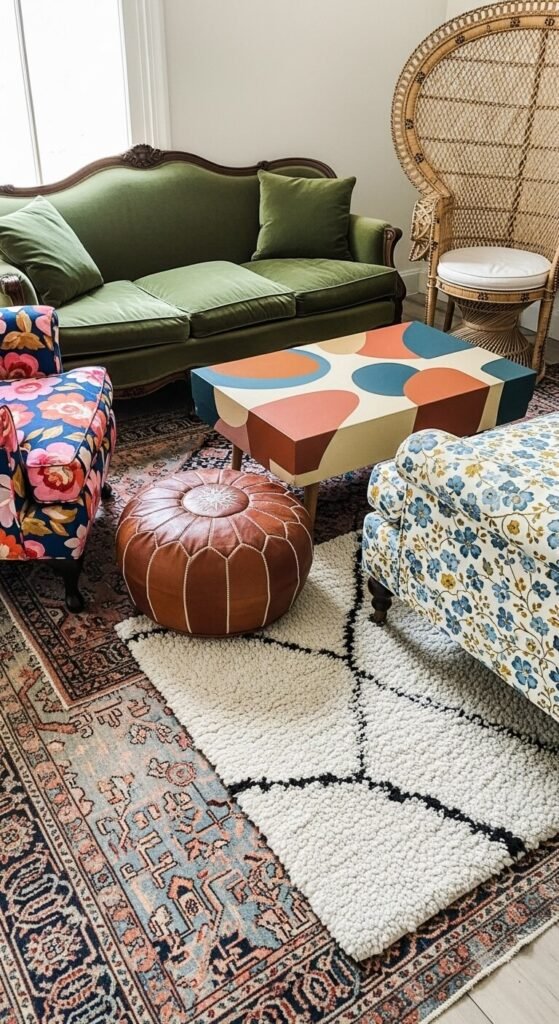
Don’t push all furniture against walls. Create conversation areas. Pull chairs together. Add a small table between them. This makes rooms feel intimate and intentional.
Mix seating styles. A modern chair next to a vintage sofa tells a better story than a matching set. Different heights add visual interest.
Folding chairs can be guest seating. Dress them up with cushions and throws. Store them in a closet until needed. This approach works for small spaces that need flexibility.
Layer Lighting at Multiple Heights
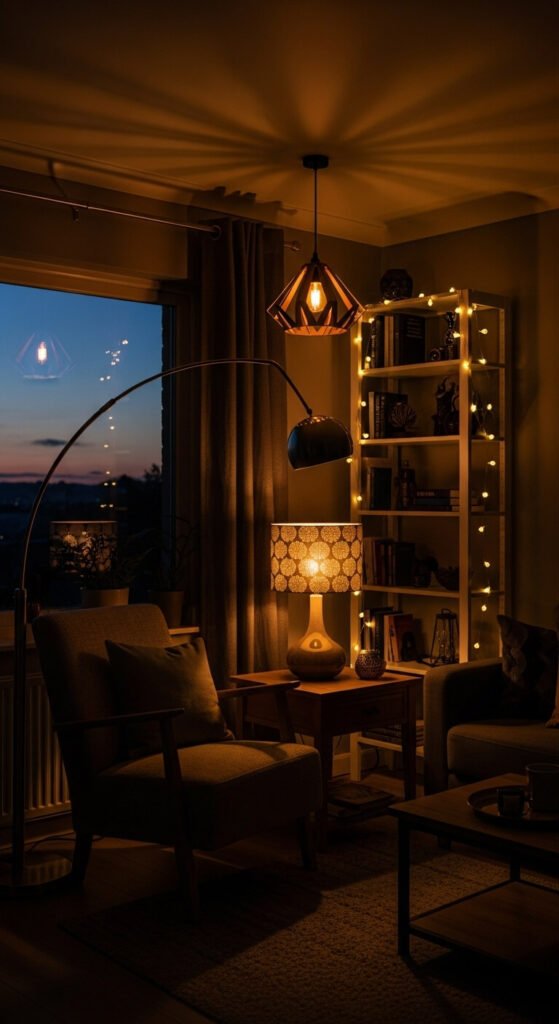
Overhead lights aren’t enough. Add floor lamps, table lamps, string lights, and candles. Each creates a different mood and purpose.
Place light sources at high, medium, and low levels. This draws the eye around the room. Dimmers let you adjust intensity for different activities.
Clip lights cost $10. Attach them to shelves or headboards. Swap bulbs to warm-toned LEDs for better ambiance. More light sources mean better layering, not higher electric bills.
Fill Empty Corners With Large Plants
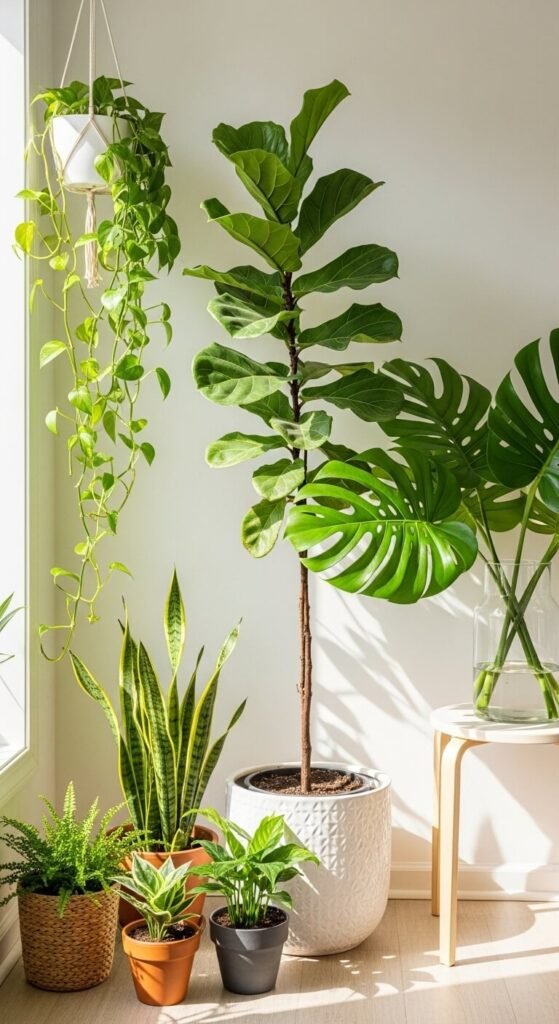
Empty corners feel unfinished. A tall plant solves this instantly. Fiddle leaf figs, rubber plants, or bird of paradise all work beautifully.
Real plants clean your air. Fake ones require no maintenance. Both look good in maximalist spaces. Mix sizes and heights for the best effect.
Plastic pots hide inside pretty baskets. This saves money and looks custom. Check your local garden center’s clearance rack. Slightly sad plants often recover with basic care and cost half price.
Mix Furniture Styles From Different Eras
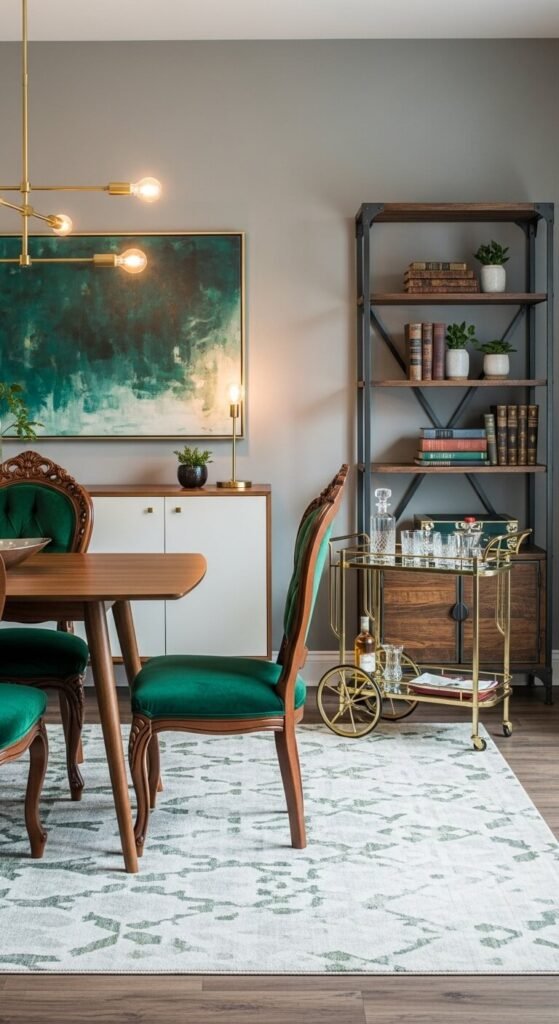
Your grandmother’s chair can sit next to your modern sofa. Different eras create tension and interest. This approach looks curated, not accidental.
Find a common thread. Similar wood tones, or shared colors in upholstery. This ties different styles together without making them match.
Estate sales offer the best deals. Solid wood furniture from past decades outlasts particle board pieces. Reupholster or paint what needs updating. You’ll own unique pieces nobody else has.
Use Unexpected Objects as Art
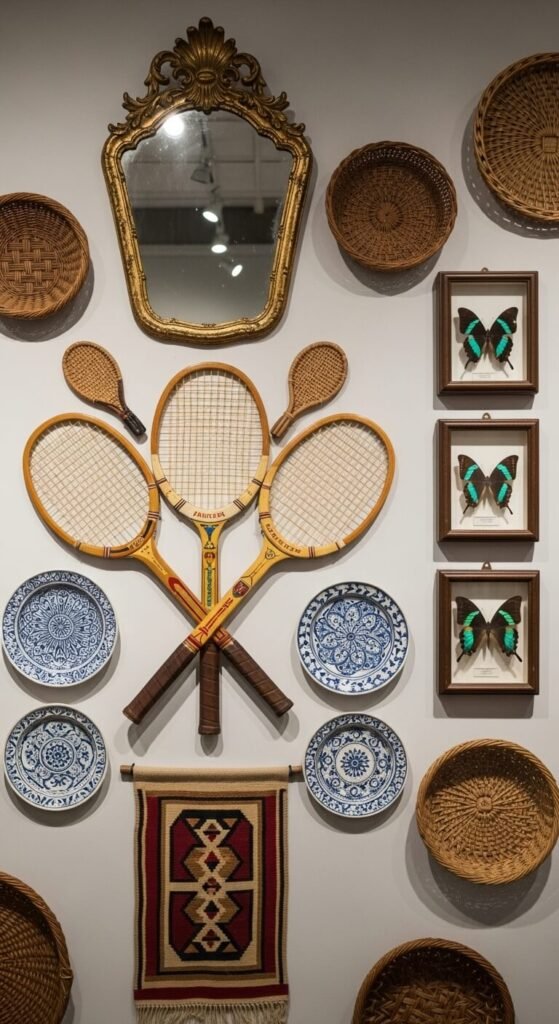
Art doesn’t mean expensive prints. Frame vintage scarves, postcards, or fabric remnants. Hang instruments, baskets, or vintage tools. Your wall becomes a curiosity cabinet.
Arrange objects before hanging. Take a photo to remember your layout. Use different hanging methods—nails, adhesive strips, plate hangers.
Your own photos printed large look striking. Many print shops offer 16×20 prints for under $20. Black and white photos feel timeless. Color photos pop against bold walls.
Paint Furniture Bold Unexpected Colors
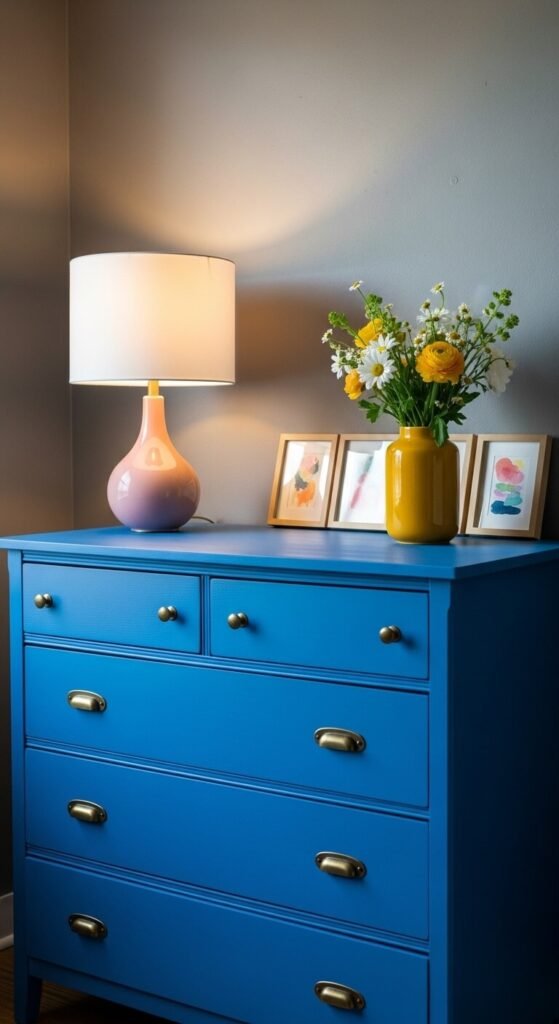
That boring beige dresser? Paint it peacock blue. The brown nightstand? Try coral. Bold furniture colors anchor a maximalist room.
Sand lightly, prime, then apply two coats. Let each dry completely. Seal with clear topcoat for durability. This weekend project transforms tired furniture.
Oops paint costs $5-10 at hardware stores. These are mixed colors customers didn’t pick up. The color doesn’t matter—you’re being bold anyway. One quart covers most pieces.
Add Trim and Molding in Contrasting Colors
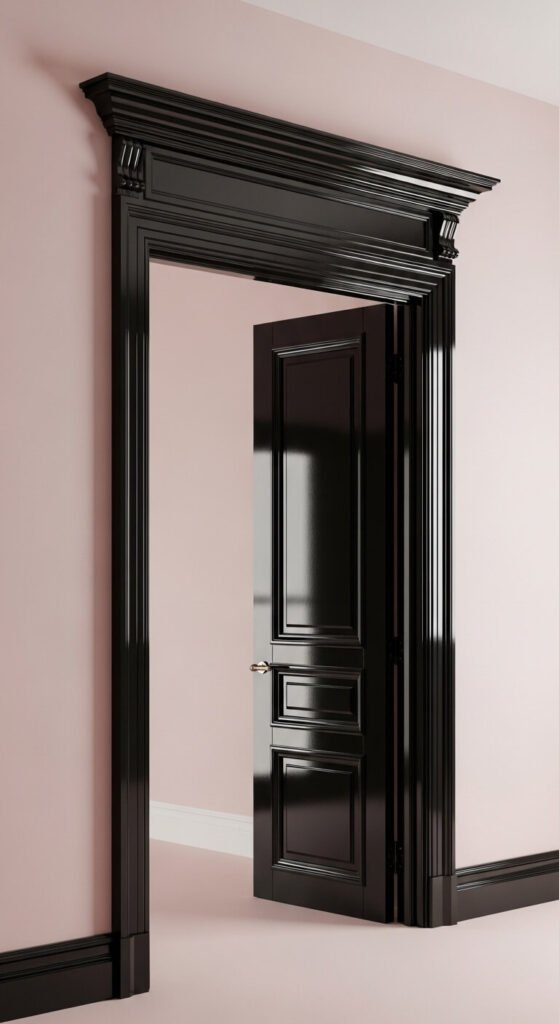
White trim feels safe. Colored trim feels daring. Paint baseboards, crown molding, and door frames a contrasting color. This highlights your architecture.
Dark trim on light walls creates definition. Light trim on dark walls softens intensity. Both work depending on your goal.
Painter’s tape is your friend. Take your time taping clean lines. Use a small angled brush for precision. Two thin coats beat one thick coat every time.
Create Texture With Wall Hangings
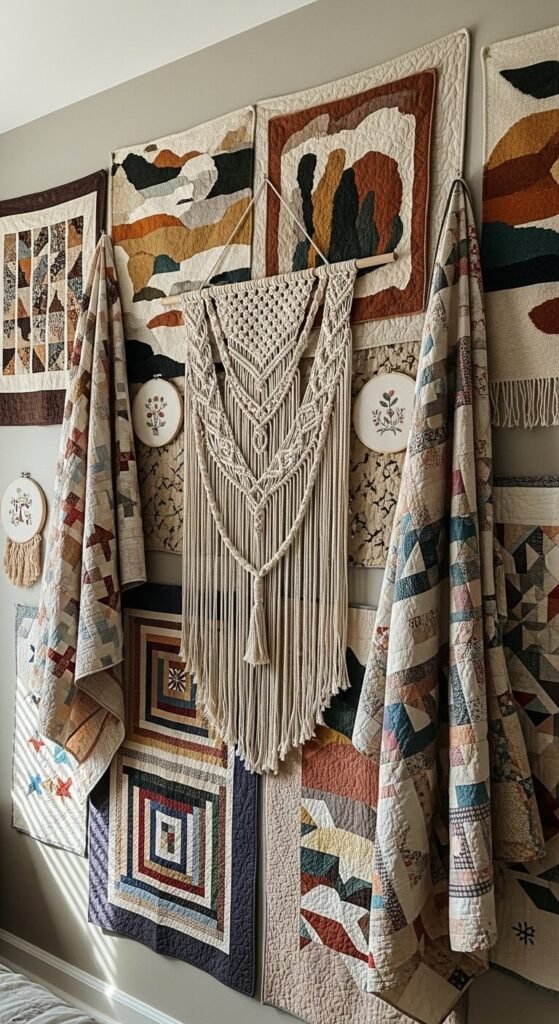
Flat walls need texture. Hang macramé, woven tapestries, quilts, or textile art. These add softness that hard decor can’t achieve.
Layer them like you would gallery art. Different sizes and heights create movement. The three-dimensional quality adds depth to your room.
Make simple macramé wall hangings. Rope costs $10. Watch free tutorials online. Even basic knots look impressive when mounted on a dowel rod. Your handmade piece adds personal meaning.
Fill Shelves to Capacity With Personality
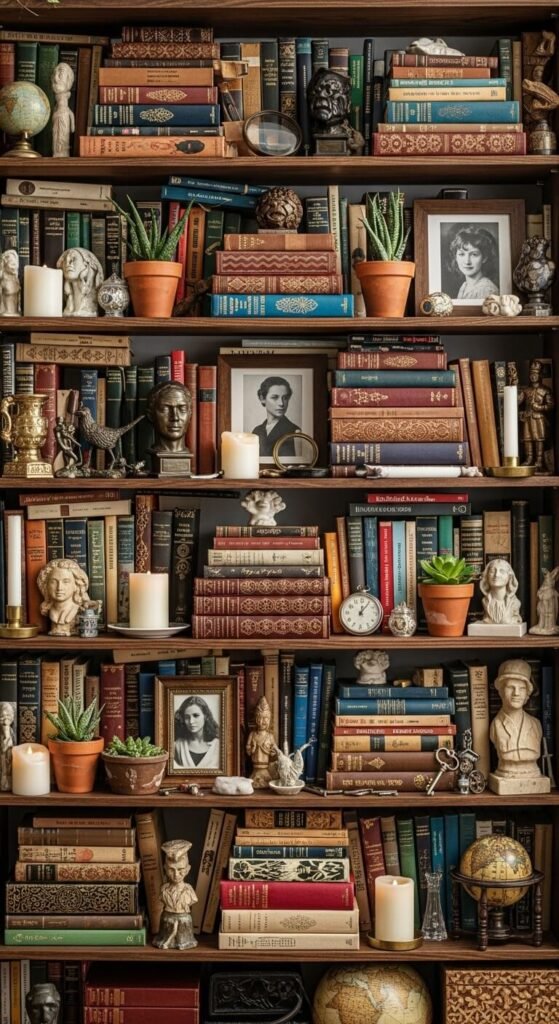
Sparse shelves feel cold. Full shelves feel lived-in. Books, plants, photos, small sculptures—pack them in. Leave just enough space to see individual items.
Vary your heights. Stack some books horizontally for platforms. This creates different levels for smaller objects. Pull books forward and push them back for depth.
Shop your own home first. Move objects from other rooms. That vase in the closet might be perfect on your shelf. Rotation keeps things fresh without spending money.
Use Bold Graphic Wallpaper as Accent Walls
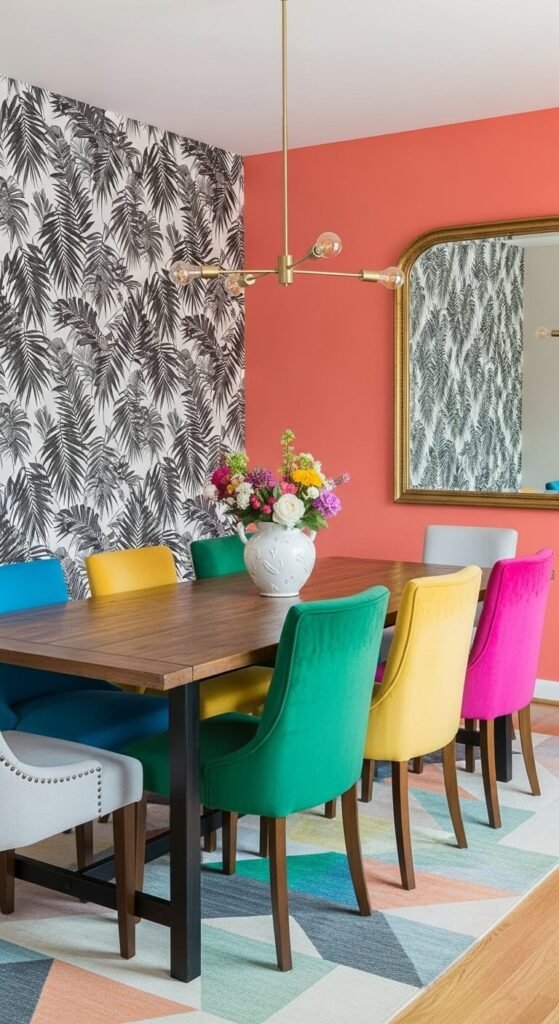
Full room wallpaper can overwhelm. One accent wall makes a statement without commitment. Choose bold graphics or oversized patterns for maximum impact.
Behind your bed, behind open shelving, or in an entryway all work well. The pattern should complement, not match, your other colors.
Peel-and-stick wallpaper ranges from $30-80 per roll. Measure carefully before ordering. You can remove it when you move or change your mind. Match patterns at seams by overlapping slightly.
Mix Seating Heights and Sizes
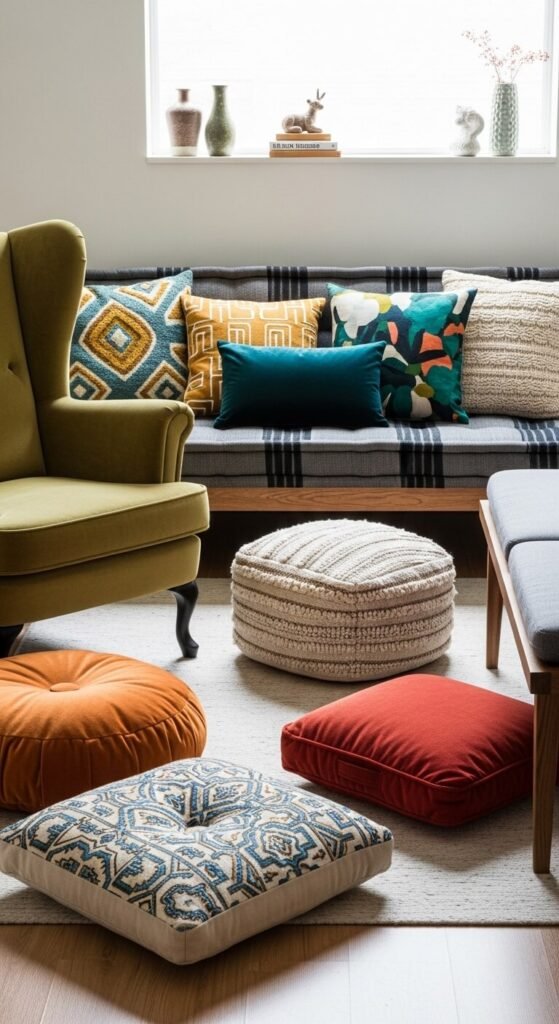
Same-height seating feels boring. Mix a low sofa with tall chairs. Add floor cushions and ottomans. This creates visual rhythm and accommodates different sitting preferences.
People can choose their comfort level. Some prefer low seating, others like back support. Your room becomes more functional and more interesting.
Floor cushions cost $15-25. They store easily when not needed. Poufs double as footrests or extra seating. You’ll accommodate more guests without dedicated furniture for each person.
Display Fresh and Faux Florals Together
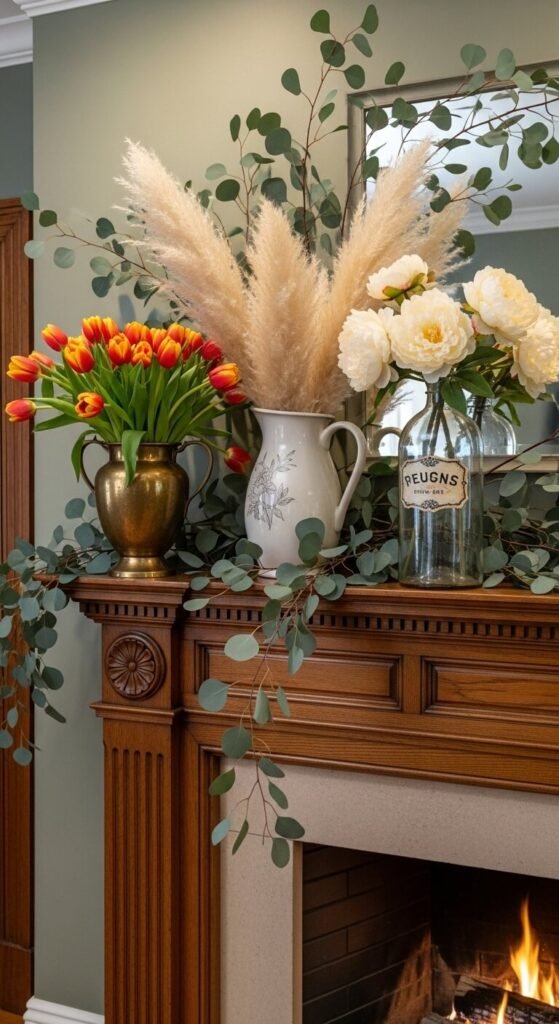
Real flowers die. Fake flowers last. Use both. Nobody will judge, and the combination looks fuller and more interesting than either alone.
Change fresh flowers weekly for variety. Keep quality faux stems as your base. Mix in dried elements like pampas grass or eucalyptus.
Grocery store flowers cost $5-10. Buy whatever’s on sale. Trim stems at an angle and change water every few days. They’ll last longer than you expect.
Add Pattern to Your Ceiling With Paint
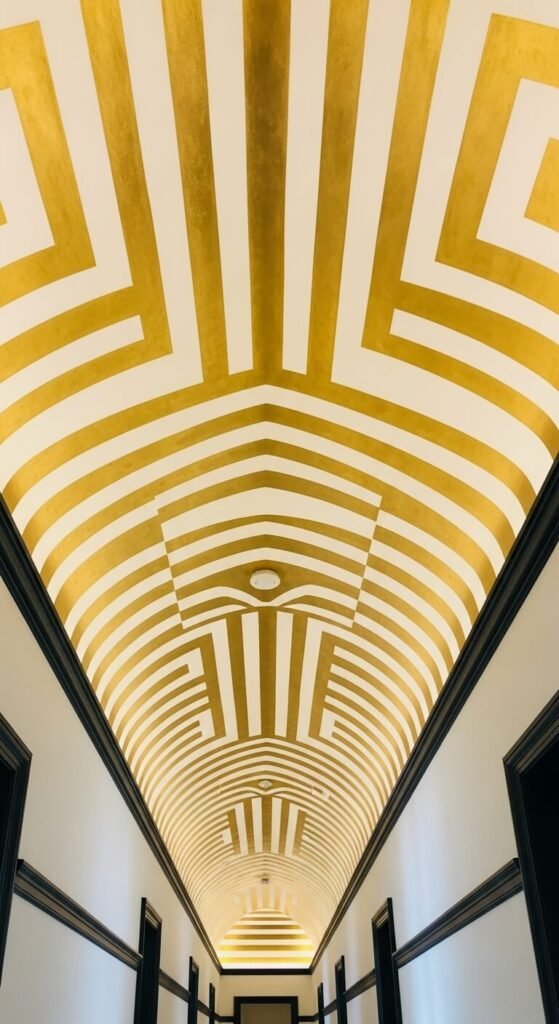
Wallpaper your ceiling or paint patterns. Stripes, geometric designs, or even a mural work. This unexpected detail makes people look up and notice.
Start with painter’s tape for clean lines. Use a small roller for even coverage. Painting a ceiling takes patience but creates lasting impact.
Metallic paint adds glamour. Gold, copper, or silver stripes catch light beautifully. One accent color goes far. You don’t need multiple paint colors to make a statement.
Layer Throws and Blankets on Every Surface
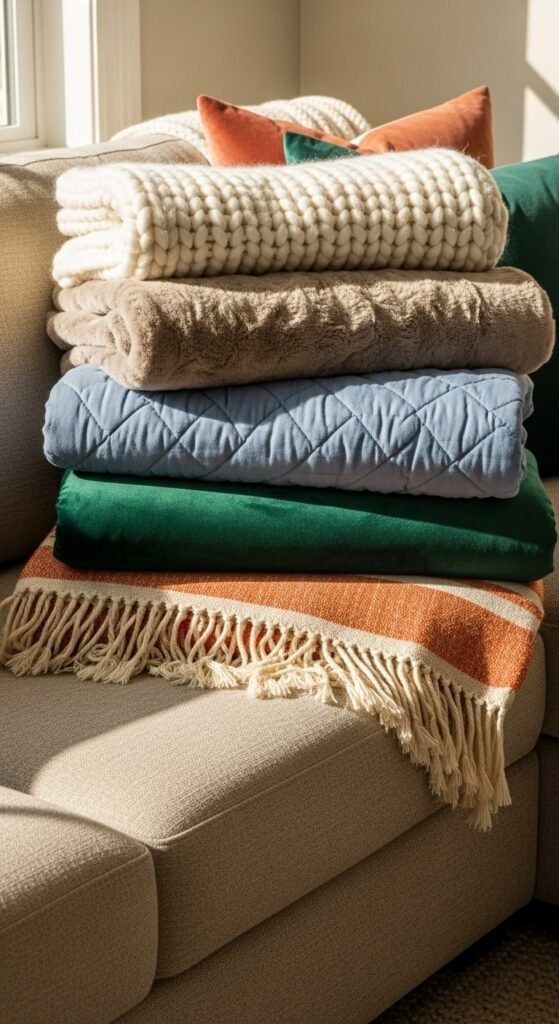
One throw per sofa isn’t enough. Layer three or four. Different textures create depth. Different colors add personality. Your seating becomes an invitation.
Drape them casually. Perfect folding looks staged. A lived-in look feels welcoming. Rotate them seasonally so they don’t fade.
Thrift store blankets cost $3-8. Wash them well and they’re good as new. Mix vintage finds with new pieces. The collected look costs less than buying everything retail.
Use Oversized Art for Maximum Impact
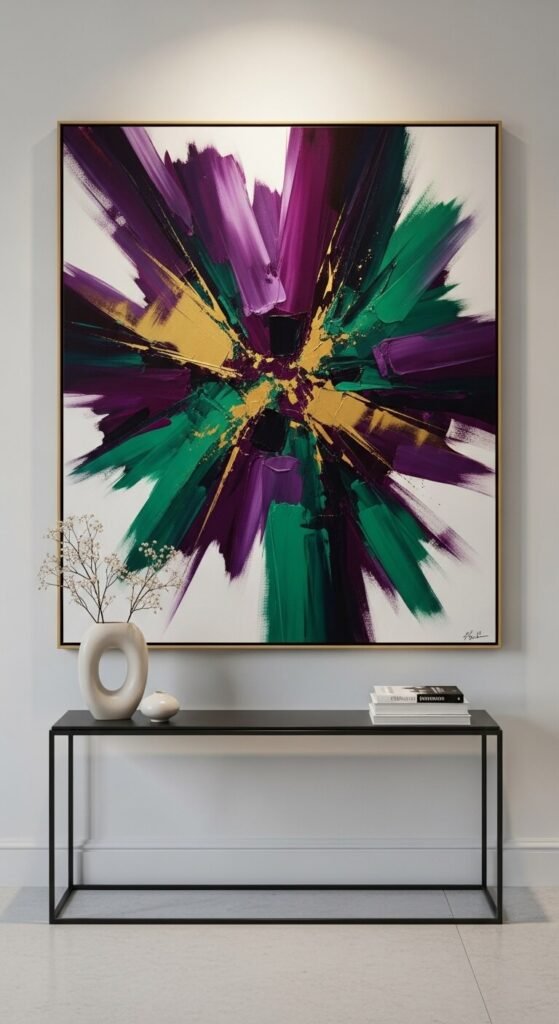
Small art gets lost in maximalist spaces. Go big. One large piece or a tightly grouped cluster of medium pieces creates a focal point.
Large art doesn’t mean expensive. Print your own photos at poster size. Frame fabric or wallpaper samples. Make abstract art yourself with canvas and paint.
Engineer prints cost $3-5 at copy shops. Upload any high-resolution image. Mount on foam board for structure. Frame if your budget allows, but even unframed looks intentional.
Create Vignettes on Every Flat Surface
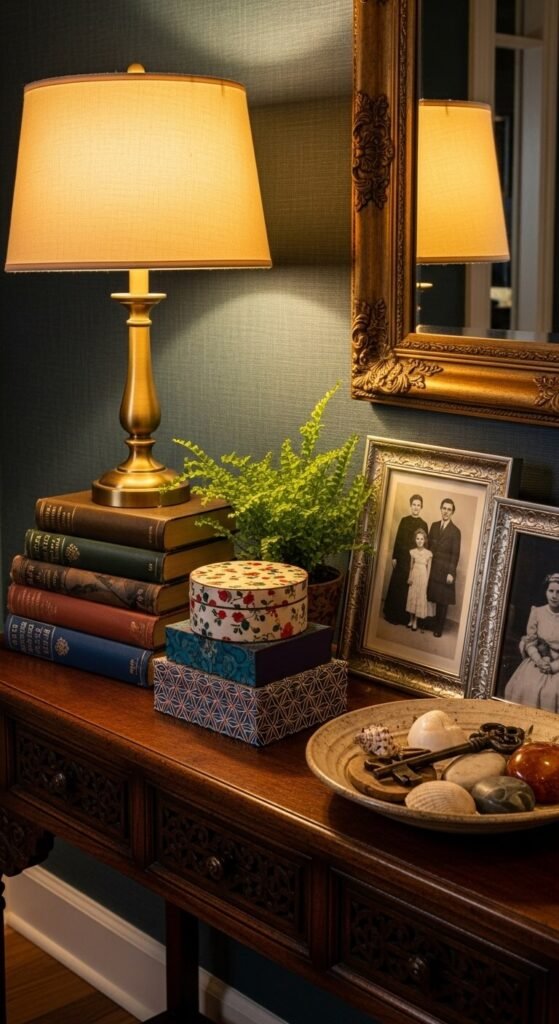
Tables, dressers, counters—style them all. Group three to five objects of varying heights. This creates mini collections throughout your home.
Include something tall, something round, something meaningful. A lamp, a plant, a framed photo. Add small objects in front. Layer depth by placing things behind other things.
Shop what you own. Move a vase from the kitchen to the bedroom. That candle hiding in the closet might be perfect on your nightstand. Refresh vignettes monthly by swapping pieces between rooms.
Paint Interior Doors Bold Statement Colors
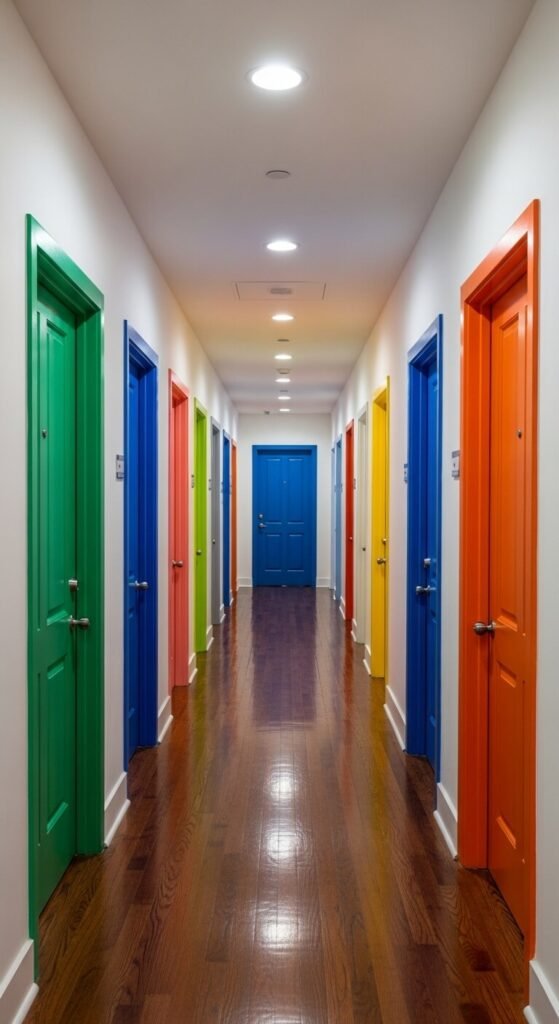
White doors disappear. Colored doors become features. Paint each room’s door a different color. Or paint all doors one unexpected shade.
This works especially well in rentals. Doors are easy to repaint before moving. The impact is huge for minimal effort and cost.
One quart covers two doors. Choose semi-gloss for durability and easy cleaning. Remove hardware before painting or tape it off carefully. Two coats look better than one thick coat.
Mix New and Vintage Without Rules
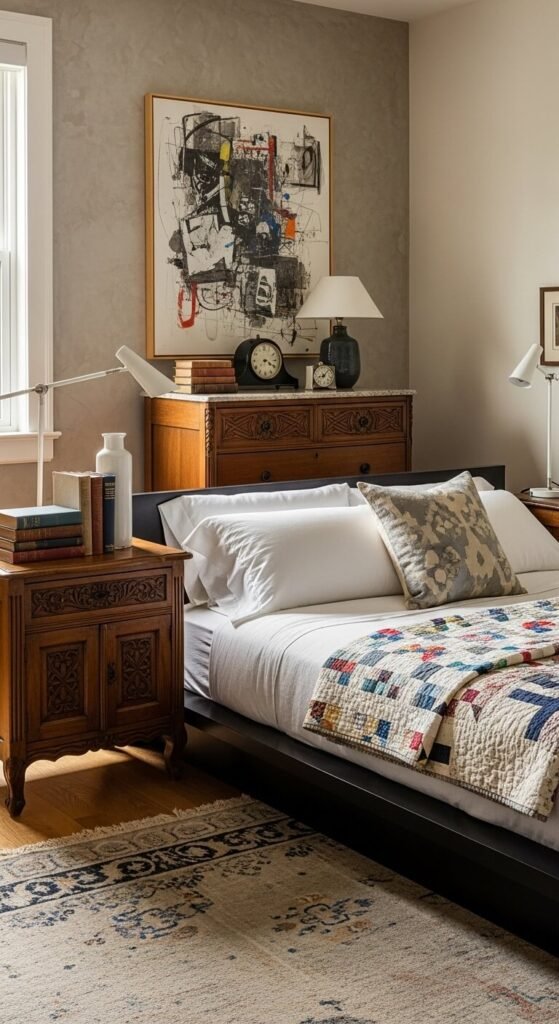
Brand new rooms feel generic. All vintage feels museum-like. Mix them. Modern furniture grounds vintage accessories. Vintage furniture makes new decor feel less disposable.
The contrast creates interest. Your home looks collected over time, not bought in one shopping trip. This approach also spreads your budget further.
Invest in new mattresses and upholstered pieces for hygiene and comfort. Buy vintage case goods, lighting, and decor. This balance gives you the best of both worlds at a manageable cost.
Use Color to Connect Different Rooms
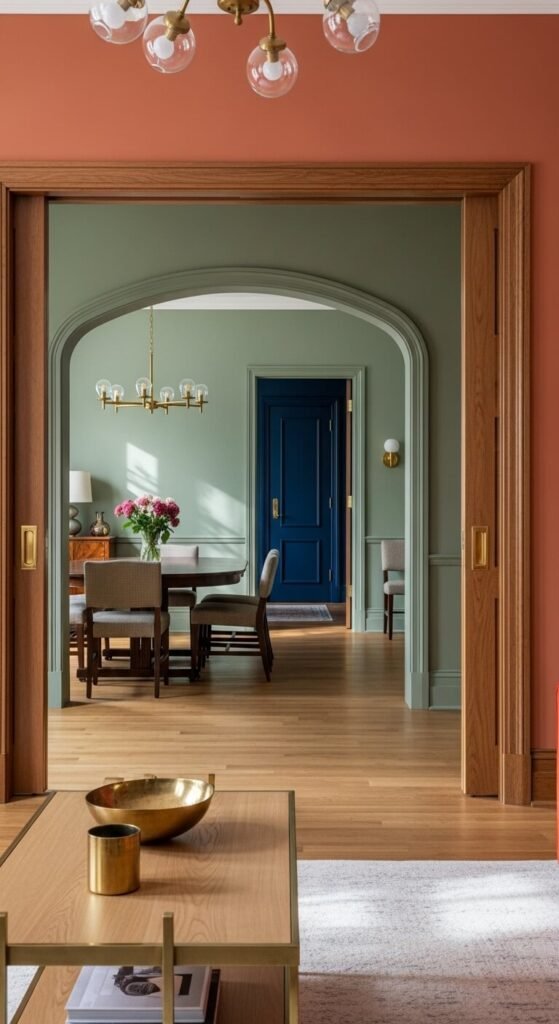
Each room can have its own personality. Connect them with repeated accent colors. A teal pillow in the living room, teal towels in the bathroom. This creates flow.
Your home feels cohesive without being matchy. The eye follows color naturally from room to room. Different base colors keep each space distinct.
Paint sample cards help plan color relationships. Lay them out to see what works together. Take photos in different lighting. Colors shift from morning to evening—check them at multiple times.
Conclusion
Your home should make you smile every time you walk through the door. Maximalist decor gives you permission to celebrate what you love instead of hiding it away. Start with one room, one wall, or even one shelf. Add slowly, remove what doesn’t work, and keep what sparks joy. The best part? There’s no finish line. Your space can grow and change with you. Mix the expensive with the thrifted, the inherited with the handmade, the bold with the bolder. Trust your instincts over design rules. When someone tells you it’s “too much,” you’ll know you’re getting it just right. Your personality deserves to take up space—let your home reflect that truth.