Ever walked into a furniture store, fallen in love with a massive velvet sofa, hauled it home — only to discover it swallows your entire living room whole? You’re not alone. Choosing furniture that actually works in your space is part science, part style instinct, and a little bit of knowing the right tricks.
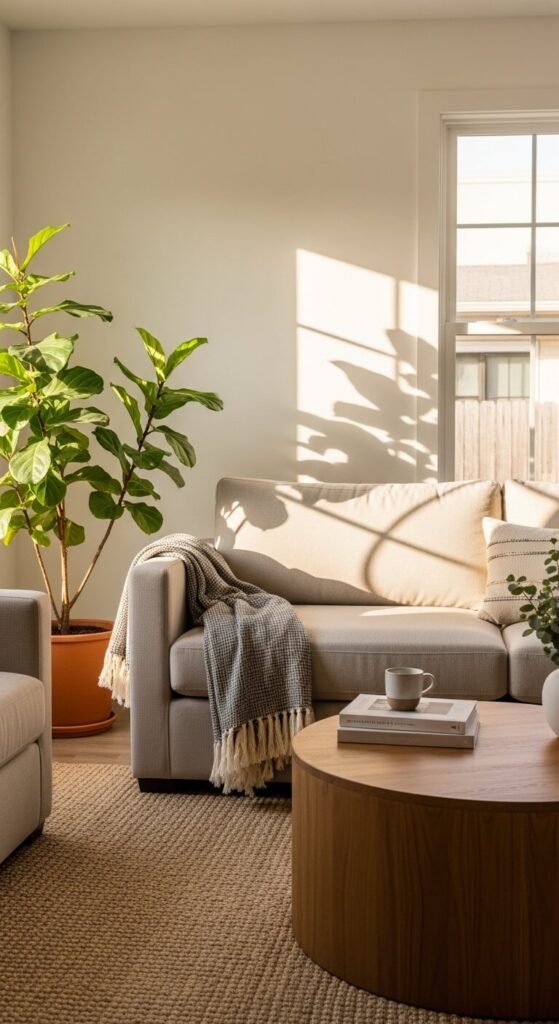
Whether you’re furnishing a cozy studio apartment or a sprawling family home, this guide will walk you through everything you need to make choices you’ll love for years — not just weeks.
Start With Measurements (Yes, Before You Shop)
This is the step most people skip — and the one they regret most.
Before you browse a single website or set foot in a showroom, grab a tape measure and map out your room. Note:
- Total room dimensions (length × width)
- Door and window placements — furniture can’t block natural light or pathways
- Ceiling height — this affects whether tall bookshelves or low-profile pieces feel right
- Traffic flow zones — leave at least 36 inches for walkways
Pro tip: Use painter’s tape on the floor to mock up the footprint of a piece before buying it. It sounds extra, but it’s a total game-changer.
Define Your Style Before You Fall in Love With a Trend
Trends are fun — until you’re stuck with a lime-green accent chair that felt very 2023.
The key is identifying your core aesthetic first. Ask yourself:
- Do you gravitate toward clean lines or ornate details?
- Do you prefer warm wood tones or cool metals and glass?
- Is your vibe more “cozy cabin” or “modern minimalist loft”?
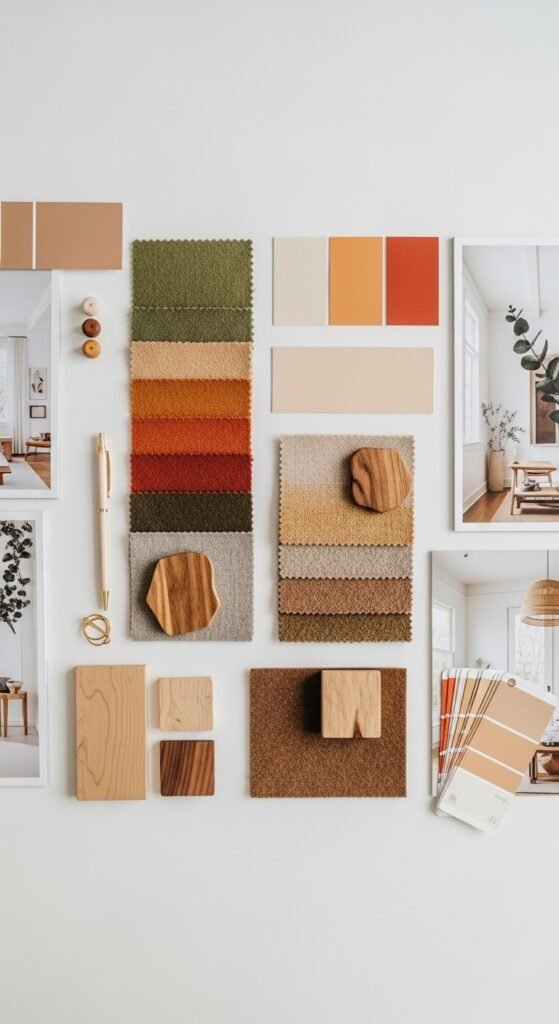
Collect inspiration images on Pinterest or in a physical folder. When you look at them together, patterns emerge — and that pattern is your style.
Choose a Focal Piece and Build Around It
Every great room has an anchor — one statement piece that everything else serves.
In a living room, it’s usually the sofa. In a bedroom, the bed frame. In a dining room, the table. Once you’ve chosen your focal piece:
- Match scale: Pair large anchor pieces with smaller supporting furniture so the room breathes.
- Repeat one material or finish (like brushed gold or natural oak) across at least two or three pieces to create cohesion.
- Let one piece be bold — a patterned armchair, a sculptural lamp — and keep the rest understated.
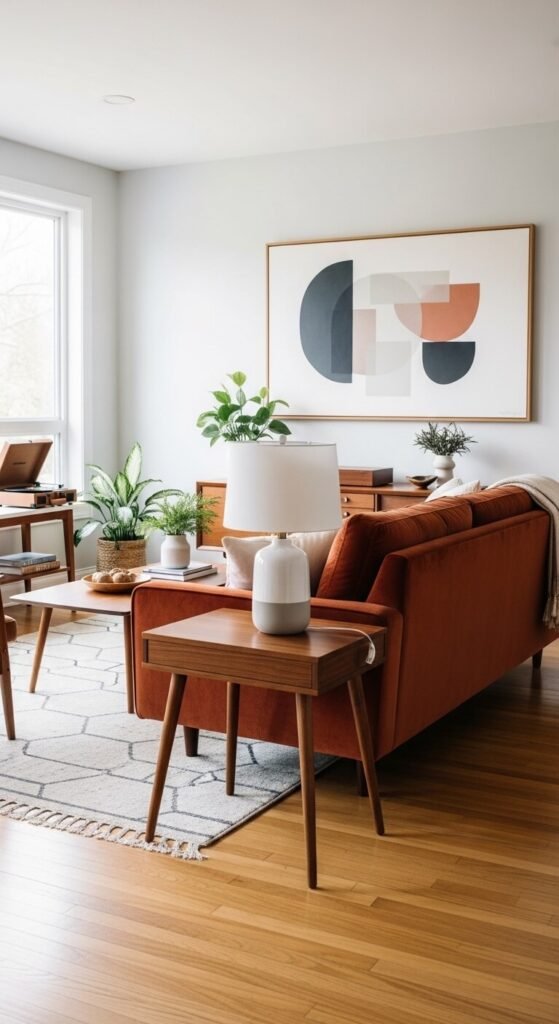
Don’t Ignore Function — Especially for Small Spaces
A beautiful room that doesn’t work for your life will frustrate you daily. Think practically:
- Storage ottomans pull double duty as seating and hidden storage
- Extendable dining tables are perfect if you entertain occasionally but not daily
- Beds with drawers underneath are a small-bedroom miracle
- Nesting tables give you surface space on demand without eating up square footage permanently
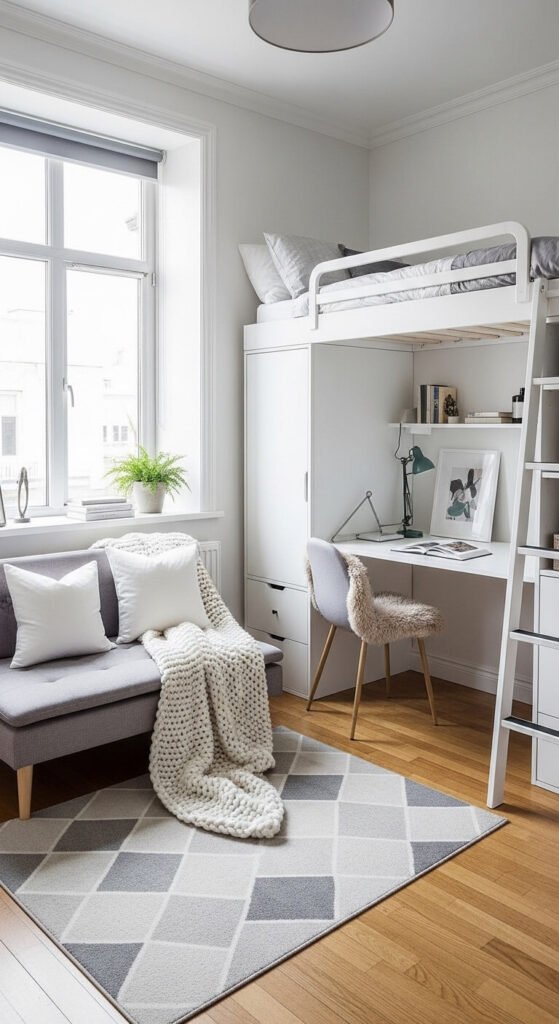
If you live in a smaller space, prioritize pieces with clean silhouettes and exposed legs — they make rooms feel larger and less cluttered.
Pay Attention to Material and Longevity
Impulse-buying cheap furniture because it looks good on a screen is a trap. Before you commit, consider:
- Fabric: Linen is beautiful but high-maintenance. Performance fabrics (like Crypton or bouclé blends) handle real life better.
- Wood: Solid wood lasts decades; MDF and veneers are budget-friendly but less durable.
- Legs and joints: Wobble test everything in-store. Sturdy joinery = longevity.
- Color staying power: Neutral bases (white, grey, natural wood, navy) outlast trendy colors in bigger pieces.
Invest more in high-use pieces — your sofa, bed, and dining chairs — and save on decorative items you’ll want to swap out seasonally anyway.
Bring It All Together
Choosing furniture isn’t about buying the most expensive pieces or following every trend — it’s about making intentional decisions that reflect your life and the space you’re working with.
When you measure first, define your style, anchor around a focal piece, think about function, and choose quality materials, the result is a room that feels curated, comfortable, and completely you.