Imagine walking into a room that instantly makes you feel calm, energized, or cozy — all without changing a single piece of furniture. That’s the quiet power of lighting. Most people treat it as an afterthought, but the right light can completely transform how a space feels. Whether you’re decorating a brand-new home or just tired of harsh overhead glare, this guide will help you nail the mood in every room.
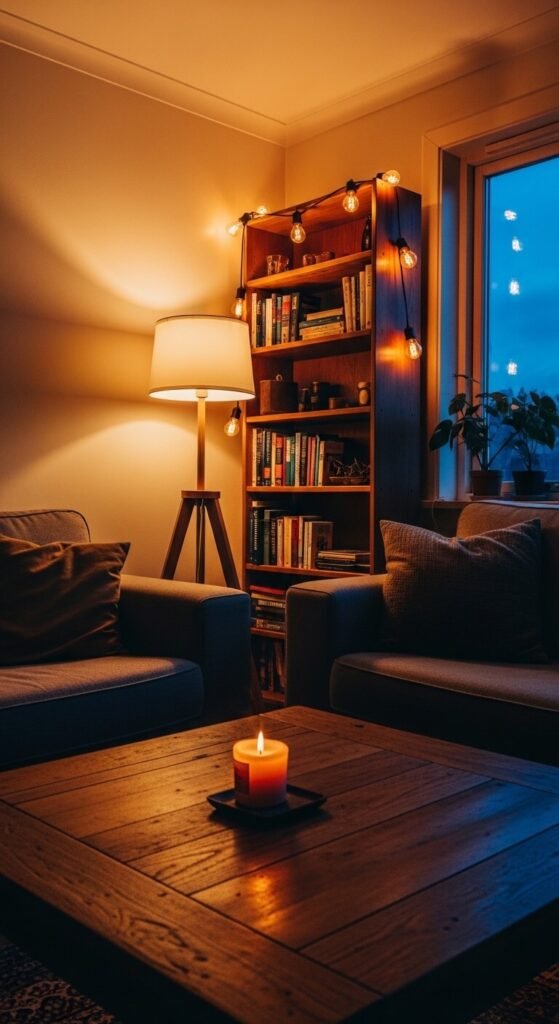
Understand the Three Layers of Lighting
Before you pick a single bulb, you need to know the three fundamental layers every well-lit room should have:
- Ambient lighting — The base layer. Think ceiling fixtures, recessed lights, or flush mounts. It fills the room with general light.
- Task lighting — Focused and functional. Desk lamps, under-cabinet kitchen lights, and reading lamps all fall here.
- Accent lighting — The mood maker. Wall sconces, picture lights, and LED strips that highlight texture and depth.
The secret? Layer all three. Rooms that feel flat usually rely on a single overhead light. Rooms that feel luxurious use all three in harmony.
Choose the Right Color Temperature
This is where most people go wrong. Color temperature (measured in Kelvins) determines whether your light feels warm and intimate or cool and clinical.
- 2700K–3000K — Warm white. Perfect for bedrooms, living rooms, and dining areas. Feels like candlelight.
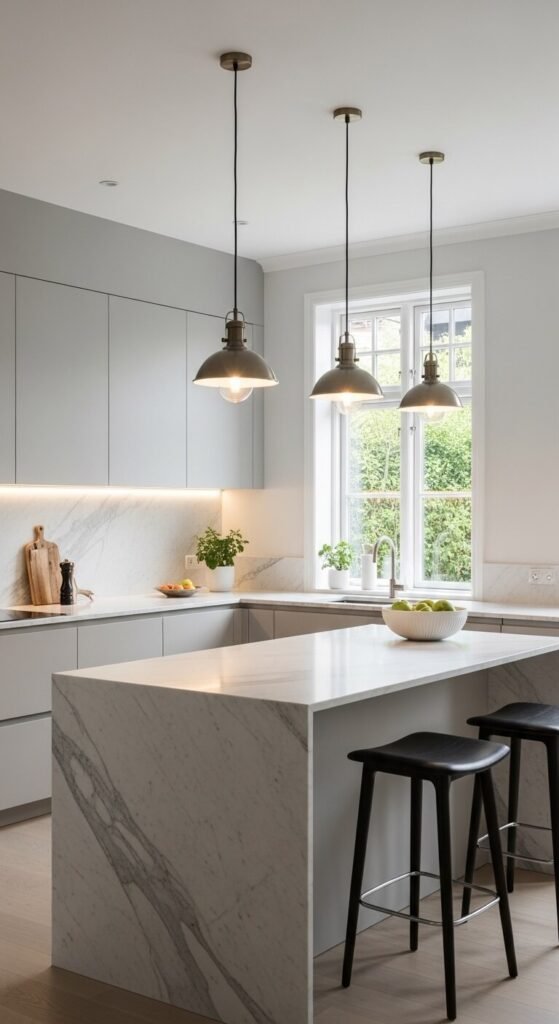
- 3500K–4000K — Neutral white. Great for kitchens and home offices where you need clarity without harshness.
- 5000K–6500K — Cool daylight. Best for garages, studios, or anywhere detail work happens.
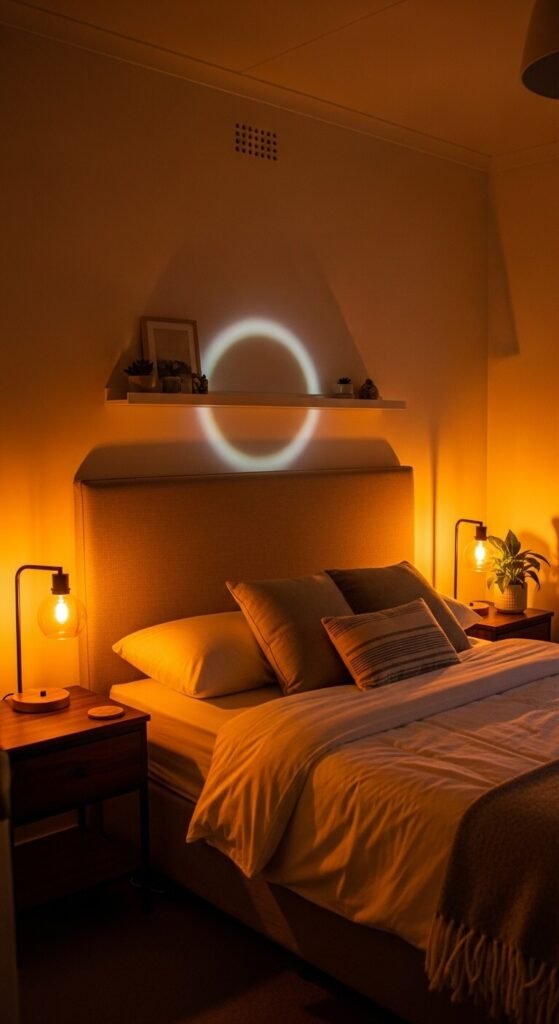
A simple rule: the more relaxed the room’s purpose, the warmer the light should be.
Match Lighting Style to Each Room’s Purpose
Living Room
This is your social and relaxation hub, so flexibility is key. Use a dimmer switch on your main fixture and add floor lamps near seating areas. A statement pendant or chandelier anchors the space visually.
Kitchen
Bright task lighting under cabinets is non-negotiable for prep work. Balance it with warmer ambient light so the space doesn’t feel like a laboratory.
Bedroom
Keep it soft and dimmable. Avoid cool-toned bulbs entirely here — they suppress melatonin and disrupt sleep. Bedside lamps with warm bulbs and a dimmer are the gold standard.
Bathroom
Layer a well-lit vanity mirror (lit from the sides, not just the top) with softer ambient light. Side-lit mirrors eliminate unflattering shadows on your face.
Home Office
Go for neutral to cool-white light to boost focus and reduce eye strain. Position your task lamp to the side of your monitor — never directly behind your screen.
Don’t Underestimate Dimmers and Smart Bulbs
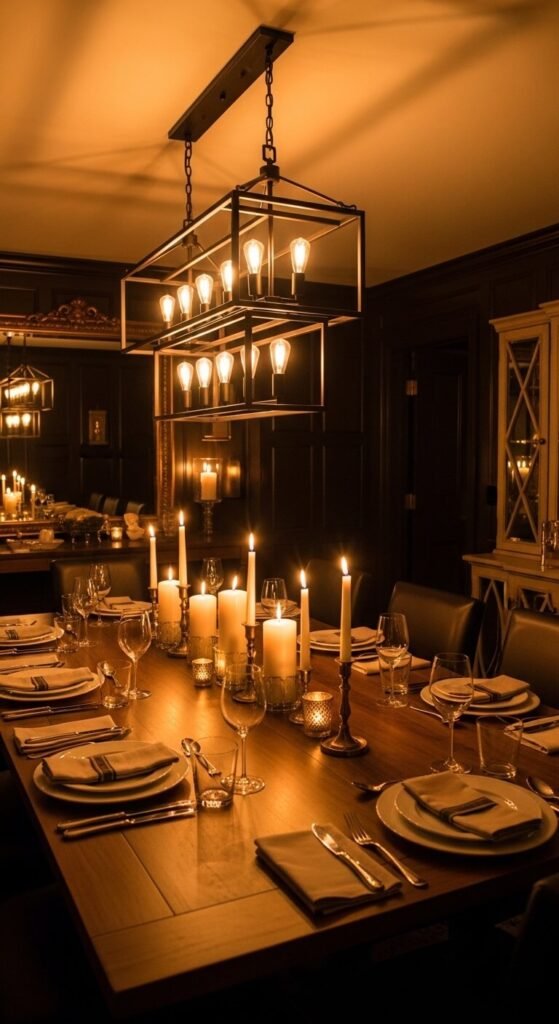
Installing a dimmer switch is one of the highest-ROI upgrades you can make. It costs under $20 and instantly gives you full control over ambiance. Hosting a dinner party? Dim it low. Working from home? Crank it up.
Smart bulbs (like Philips Hue or LIFX) take it further — you can schedule warm light in the evenings, match your lighting to your mood, or set scenes with a single tap.
Pay Attention to Natural Light First
Before adding any fixtures, observe how natural light moves through your space throughout the day. North-facing rooms stay cooler and need warmer artificial light to compensate. South-facing rooms flood with warmth naturally — you can lean into cooler tones there.
Use sheer curtains to diffuse harsh sunlight rather than blocking it entirely. Natural light is always your best friend.
Final Thoughts
Great lighting isn’t about spending more — it’s about being intentional. Start with one room, layer your sources, choose the right color temperature, and add a dimmer. You’ll be amazed how different your home feels in just an afternoon.