Every great room has a secret. Walk into a space that feels instantly pulled-together and intentional, and you’ll notice it almost immediately — there’s one thing your eye travels to first. That’s the focal point, and it’s the design trick that separates a room that feels “off” from one that feels like a magazine spread.
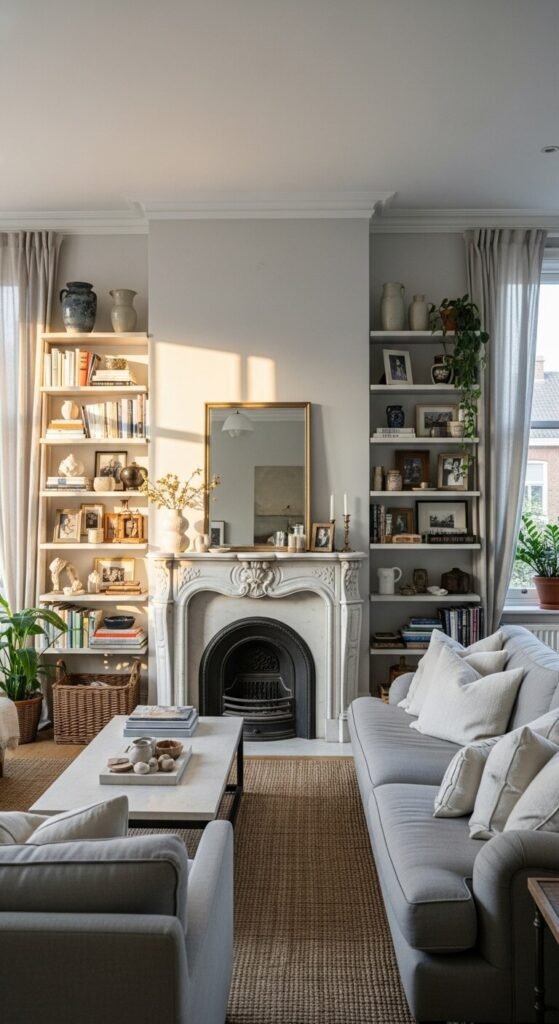
The good news? You don’t need a designer’s budget or a fireplace to pull this off. You just need to know where to look — and what to do when you find it.
What Exactly Is a Focal Point (and Why Does It Matter)?
A focal point is the anchor of a room. It’s the element that greets your eye the moment you step through the door and gives the space a sense of purpose and order.
Without one, rooms feel scattered. Your eye bounces from object to object with nowhere to land, which creates visual noise — even in a tidy space.
A strong focal point:
- Creates instant visual interest
- Gives furniture and decor something to “respond” to
- Makes a room feel intentional and designed
- Can even make a small space feel larger and more cohesive
Step 1: Find Your Room’s Natural Focal Point
Before you create one, look for what’s already there. Most rooms have a built-in architectural feature just waiting to be highlighted.
Common natural focal points include:
- A fireplace or chimney breast
- A large window with a view
- An exposed brick wall
- A bay window or alcove
- An architectural arch or niche
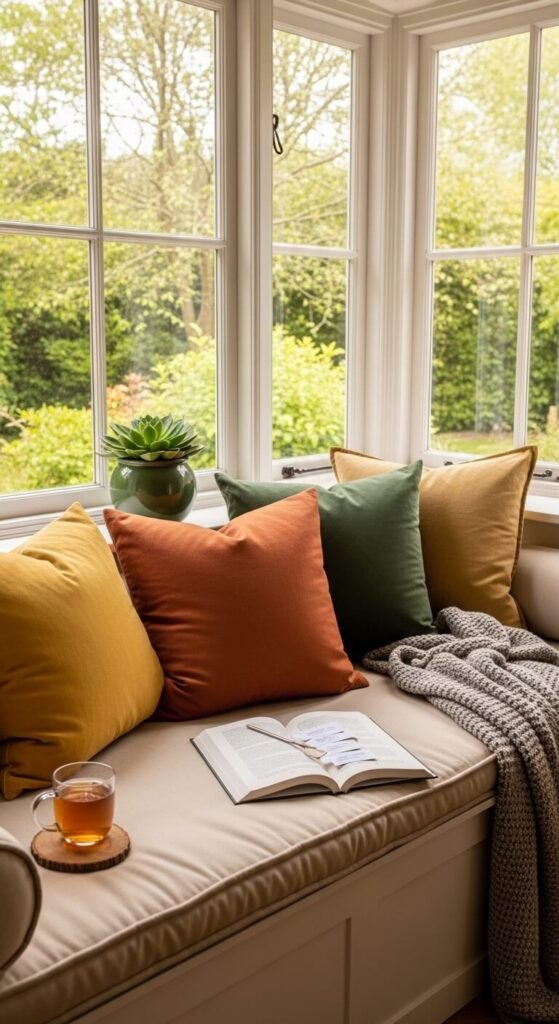
If your room has one of these, your job is mostly to enhance it — not compete with it. Clear the clutter around it, add lighting to draw attention, and arrange furniture so it faces or frames the feature naturally.
Step 2: Create One If Your Room Doesn’t Have One
No fireplace? No dramatic view? No problem. A focal point can be completely designed from scratch. Here’s how:
Use a Statement Wall Paint a single wall in a bold, contrasting color or apply wallpaper with a strong pattern. Keep the other three walls neutral so your accent wall becomes the undisputed star.
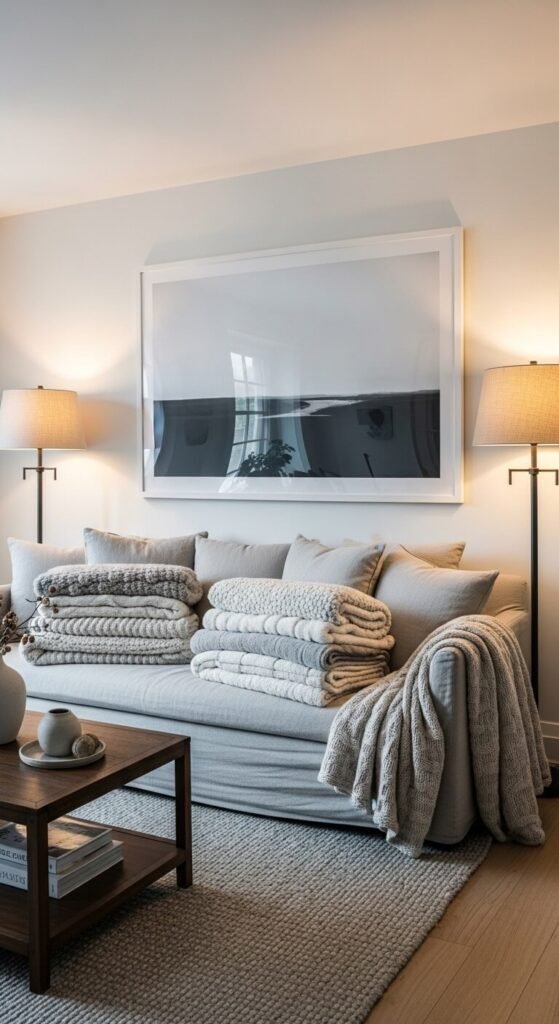
Hang Oversized Art One large piece of art does more for a room than a gallery wall of small frames. Think big — the art should feel slightly “too large” for comfort. That’s usually just right.
Build a Bookshelf Moment Floor-to-ceiling bookshelves styled with books, plants, and objects create incredible visual depth and draw the eye upward.
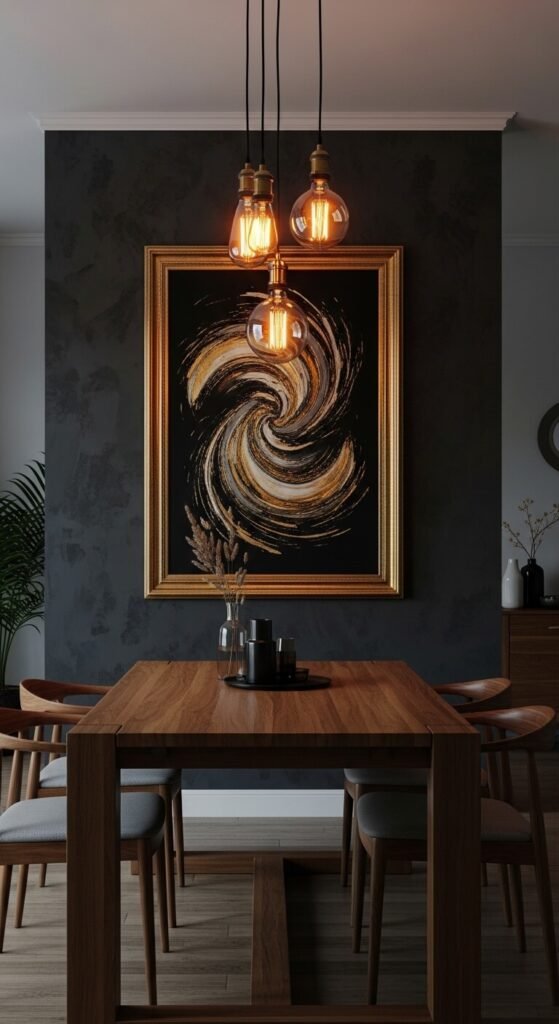
Install Dramatic Lighting A statement chandelier or sculptural pendant light over a dining table or in an entryway instantly becomes the focal point — even in a minimal room.
Step 3: Arrange Everything Else to Support It
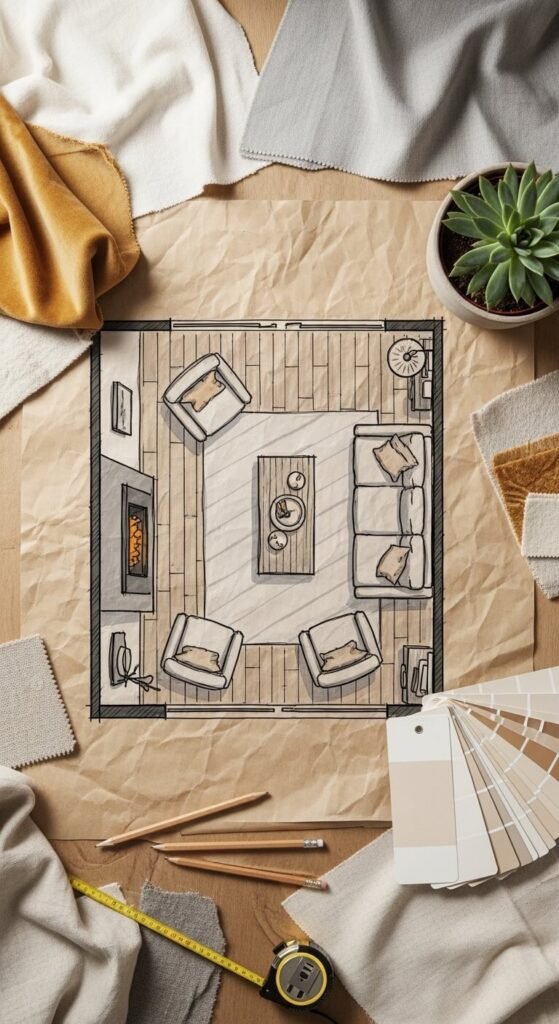
Here’s where most people go wrong. They create a beautiful focal point and then place furniture randomly around the room. The key is to orient everything toward it.
- Sofas and chairs should face or angle toward the focal point
- Rugs should anchor the furniture grouping in front of it
- Side tables, lamps, and accessories should feel like they’re in conversation with it — not fighting for attention
Think of your focal point as the stage and everything else as the audience.
Step 4: Don’t Let Other Elements Compete
This is the golden rule of focal points: there can only be one.
If everything is trying to be special, nothing is. Once you’ve chosen your focal point, dial back everything else. Keep surrounding decor simple, cohesive, and supportive.
- Avoid too many bold colors in one space
- Let the focal point be the most visually “heavy” element
- Use symmetry on either side of the focal point to create balance
The Takeaway
A focal point isn’t just a design concept — it’s the story your room tells the moment someone walks in. Whether it’s a fireplace, a showstopping piece of art, or a boldly painted wall, every room deserves that one element that makes people stop and say, “Wow.”
Ready to transform your space? Pick one room, find your focal point, and start there. Save this article for your next decorating project — and pin it so you never design a room without a plan again!