You know that feeling when you walk into a beautifully designed room and can’t quite put your finger on what makes it so special? Nine times out of ten, it’s the layers. And one of the easiest, most impactful ways to add that coveted designer touch to your space? Layering rugs. This trend has taken the interior design world by storm, transforming flat, one-dimensional floors into textured, visually rich foundations that anchor entire rooms.
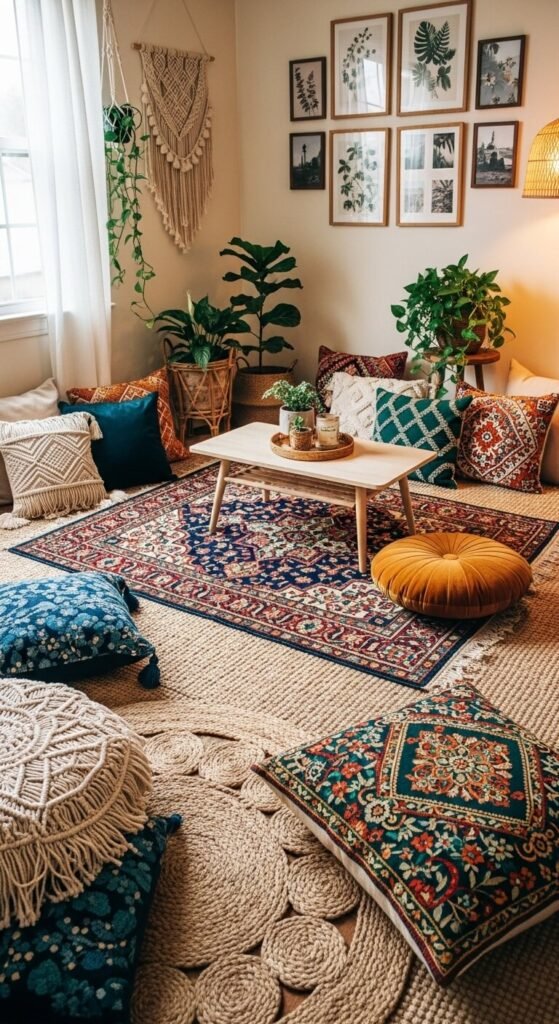
Whether you’re working with a tight budget or simply want to maximize the rugs you already own, layering is your secret weapon. Let’s dive into how you can master this technique like a seasoned interior designer.
Why Layer Rugs in the First Place?
Before we get into the how, let’s talk about the why. Layering rugs isn’t just about aesthetics (though they do look amazing). This technique serves several practical purposes:
- Adds warmth and comfort to hard flooring like hardwood, tile, or concrete
- Defines different zones in open-concept spaces
- Protects expensive rugs by placing a less precious one on top
- Introduces color and pattern without overwhelming the room
- Covers worn or stained areas of existing rugs
- Creates visual depth that makes spaces feel more curated and intentional
Think of it as the floor version of styling your bed with multiple pillows and throws—more is definitely more when done right.
Choose Your Base Rug Wisely
Your bottom rug is the foundation of your entire look, so this choice matters. Here’s what works best:
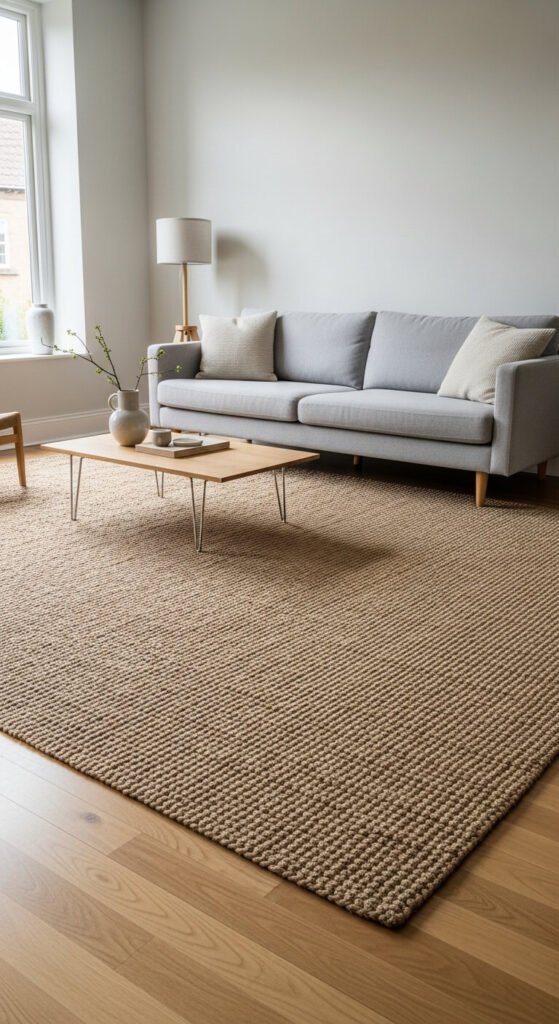
Go big and neutral. Your base rug should be larger and more subdued than your top rug. Think natural fibers like jute, sisal, seagrass, or a neutral-toned flatweave. These provide texture without competing for attention.
Consider the room size. In a living room, your base rug should extend beyond your furniture arrangement. Aim for at least the front legs of your sofa and chairs to sit on it. In a bedroom, it should peek out 18-24 inches on either side of the bed.
Select Your Top Rug for Maximum Impact
This is where you get to have fun! Your top rug should be the star of the show—the piece that brings personality, color, and pattern to your space.
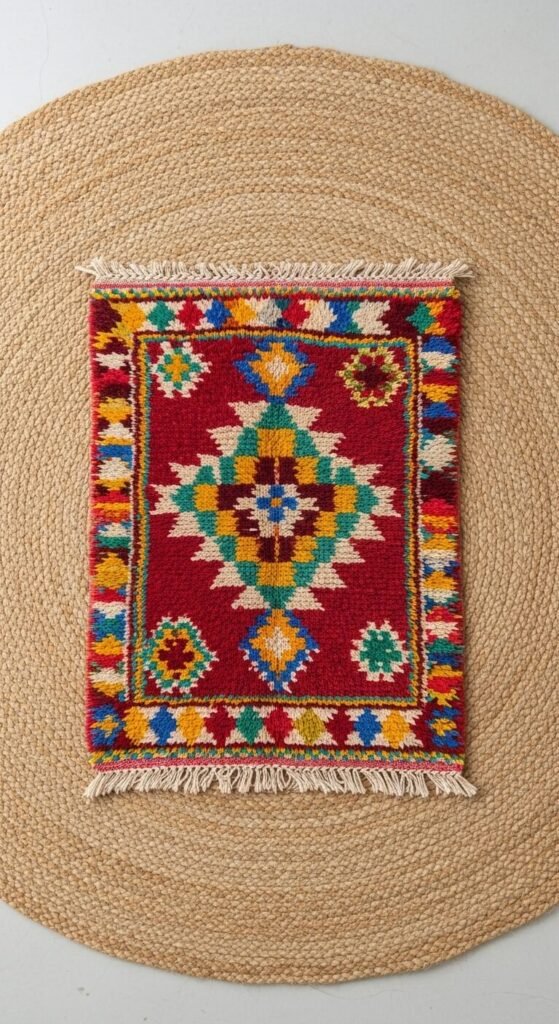
Think smaller and bolder. Choose a rug that’s 1-3 feet smaller on each side than your base rug. This creates that perfect border effect that makes layering so visually appealing. Don’t be shy about pattern or color here—vintage Persian rugs, bold geometric designs, or colorful Moroccan styles all work beautifully.
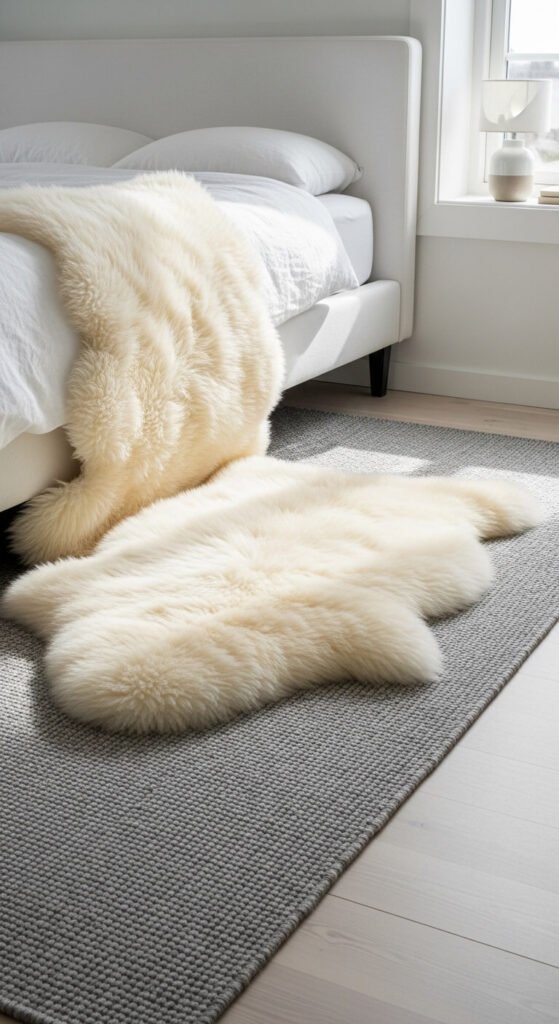
Play with texture. If your base is flat and natural, try a plush shag, a cozy sheepskin, or a textured wool rug on top. The contrast in textures is what creates that luxurious, collected-over-time vibe.
Consider the angle. One of the coolest tricks? Place your top rug at an angle (like a diamond) over your base rug. This adds an unexpected, editorial quality to the space.
Master the Art of Pairing Patterns and Colors
Worried about clashing? Here’s your foolproof formula:
- Neutral + Pattern: Pair a neutral base (jute, sisal, beige) with a patterned top rug
- Tone-on-Tone: Use rugs in the same color family but different shades
- Complementary Colors: Choose colors that sit opposite each other on the color wheel
- Pattern + Pattern: Yes, you can! Just make sure the patterns are different scales—a small geometric with a large floral, for example
The key is ensuring there’s enough contrast that each rug can be distinguished while still feeling cohesive with your overall color scheme.
Room-by-Room Layering Ideas
Living Room: Large jute rug with a vintage runner or smaller patterned rug in the seating area
Bedroom: Natural fiber rug under the bed with a plush faux fur or sheepskin at the foot or bedside
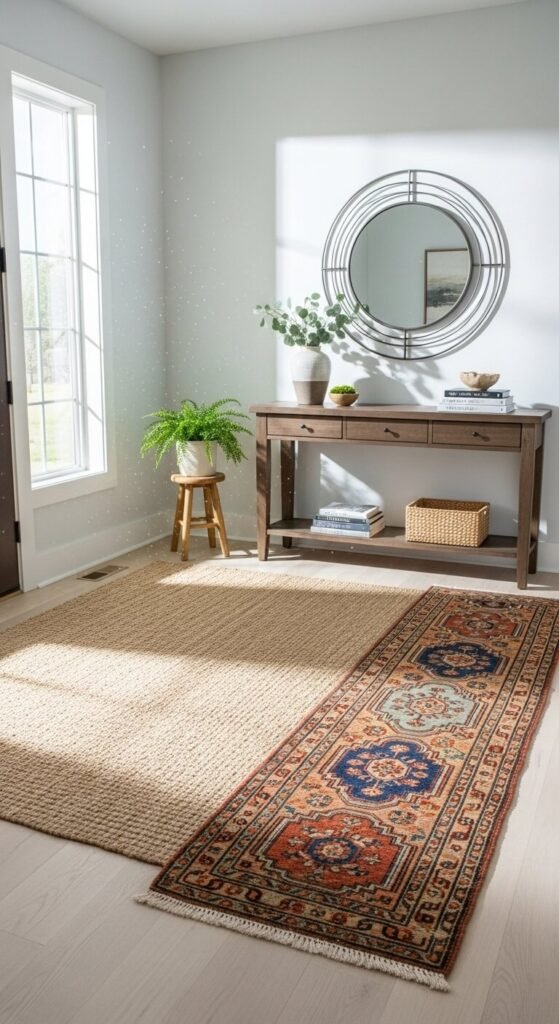
Entryway: Durable flatweave base with a colorful runner on top (hello, easy to clean!)
Dining Room: Large neutral rug under the table with a smaller patterned rug centered beneath
Pro Tips for a Polished Look
Use rug pads. Place a thin rug pad between your layers to prevent slipping and add cushioning. This is non-negotiable for safety and longevity.
Don’t cover too much. Let at least 6-12 inches of your base rug show around all sides of your top rug. This frame effect is what makes layering work.
Keep it flat. Make sure both rugs lie completely flat. No bunching, no curled edges. Take time to smooth everything out.
Balance the room. If your layered rugs are busy or colorful, keep the rest of your décor relatively simple. Let the floor be the focal point.
Ready to Layer?
Layering rugs is one of those design tricks that looks expensive and complicated but is actually incredibly simple to pull off. Start with what you have, experiment with different combinations, and don’t be afraid to try unconventional pairings. The beauty of this trend is that it’s forgiving, flexible, and completely reversible.
So grab those rugs you’ve been storing in the closet, hit up your local vintage shop, or finally pull the trigger on that beautiful runner you’ve been eyeing. Your floors are about to get a major upgrade.