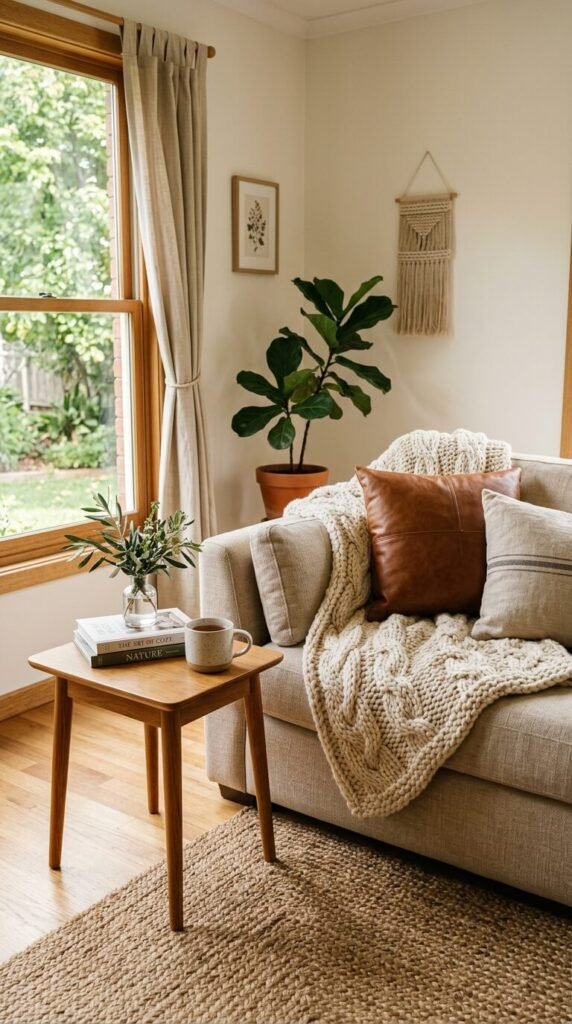
Imagine walking into a room — or pulling together an outfit — that just feels right. Nothing clashes, nothing feels random, and yet it’s anything but boring. That magic? It almost always comes down to texture. Mixing textures is one of the most underrated styling skills, whether you’re decorating a living room or layering a fall outfit. The good news: it’s not as intimidating as it looks.
Why Texture Matters More Than Color
Most people obsess over color when styling a space or an outfit. But here’s the secret designers know: texture creates depth. Two items in the exact same color can look completely flat if they share the same surface quality — or richly layered if they differ.
Think about it:
- A silk blouse and a wool blazer in the same camel tone look intentional and chic.
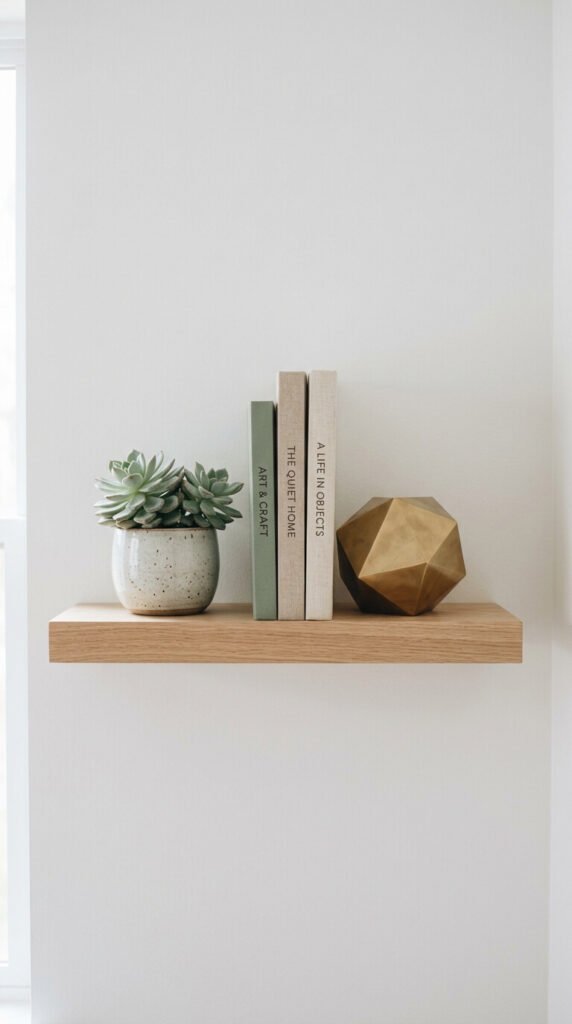
- A matte clay vase next to a glossy ceramic bowl adds visual interest to a shelf without adding clutter.
Texture is what makes a monochromatic look feel curated, not lazy.
Start With the Rule of Three Textures
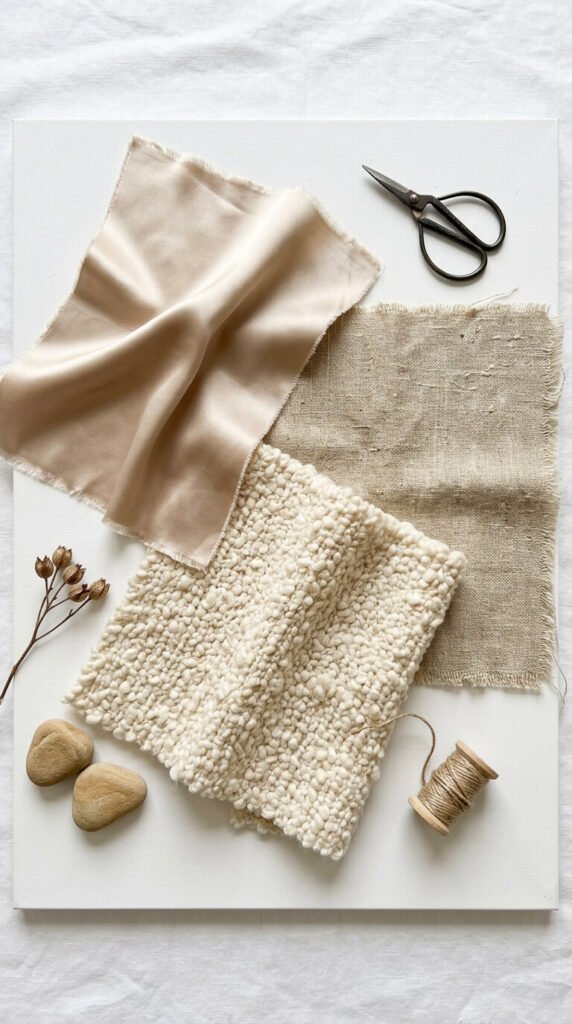
A foolproof starting point: choose three textures and build from there.
Aim for a mix of:
- Smooth or sleek — think glass, silk, polished wood, or satin
- Rough or organic — linen, jute, raw wood, stone, or boucle
- Soft or plush — velvet, cashmere, faux fur, or a chunky knit
This trio gives you contrast without chaos. One texture grounds the look, one adds warmth, and one elevates it.
Balance Is Everything: The Heavy-Light Rule
Once you have your textures, think about visual weight. Heavy textures (think wool, stone, aged wood) feel grounding and cozy. Light textures (silk, glass, polished metal) feel airy and refined.
For a balanced look:
- Anchor with heavy — use your rougher, chunkier textures low or as a base (rugs, flooring, heavy outerwear)
- Layer with medium — upholstery, structured fabrics, or wooden furniture in the middle
- Lift with light — silky pillows, metallic accents, delicate glassware, or lightweight scarves at the top
This creates a natural visual hierarchy that feels satisfying — like everything has its place.
Stick to a Unified Color Palette
Here’s where many people go wrong: they choose beautiful textures that fight each other because the colors are all over the place. Texture mixing works best within a cohesive palette.
Pick a palette of 2–4 tones and let the textures do the talking:
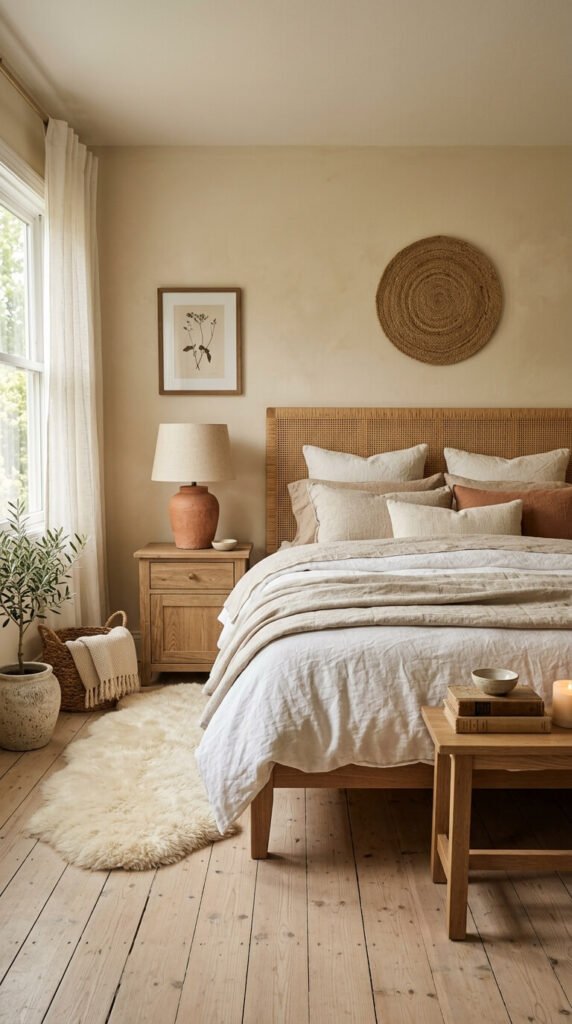
- Neutrals (cream, warm white, sand, taupe) let texture shine without distraction
- Earthy tones (rust, terracotta, olive, brown) pair naturally with organic textures like linen and wood
- Cool monochromes (slate, grey, navy) look stunning with smooth textures like leather and metal
Know When to Add a Wild Card
Rules are made to be bent. Once you’ve nailed your base textures and palette, one unexpected texture can take the whole look from “nice” to “wow.”
Some ideas:
- A velvet chair in an otherwise rustic, natural-fiber living room
- A sequined clutch paired with a simple knit dress
- A lacquered tray sitting on a rough, reclaimed wood table
The wild card works because everything around it is already harmonious — it becomes an intentional accent, not a mistake.
Avoid the Texture Trap: Too Much of a Good Thing
Yes, you can overdo it. Too many competing textures make a look feel chaotic and exhausting. Watch out for:
- Mixing more than 4–5 textures in a single space or outfit
- Pairing two rough, heavy textures with no smooth element to balance them
- Adding shiny and matte versions of the same object without intention
When in doubt, pull one texture out. Simplicity is always stylish.
Bring It All Together
Choosing textures that work together isn’t about following strict formulas — it’s about training your eye to see contrast, balance, and harmony. Start with three textures, balance the visual weight, lock in a color palette, and don’t be afraid to add one unexpected element that makes the whole thing feel alive.
The more you practice, the more instinctive it becomes. Soon you’ll walk into any room — or open your closet — and know exactly what’s missing.
Save this guide and pin it for your next styling project — your future self will thank you! ✨