Have you ever walked into a room and immediately felt at ease — like everything just made sense? That feeling isn’t accidental. It’s the result of intentional balance in the room’s layout. Whether you’re starting from scratch or rearranging what you already have, learning to balance a space can completely transform how it looks and feels. The good news? You don’t need a design degree to pull it off.
Understand the Two Types of Balance
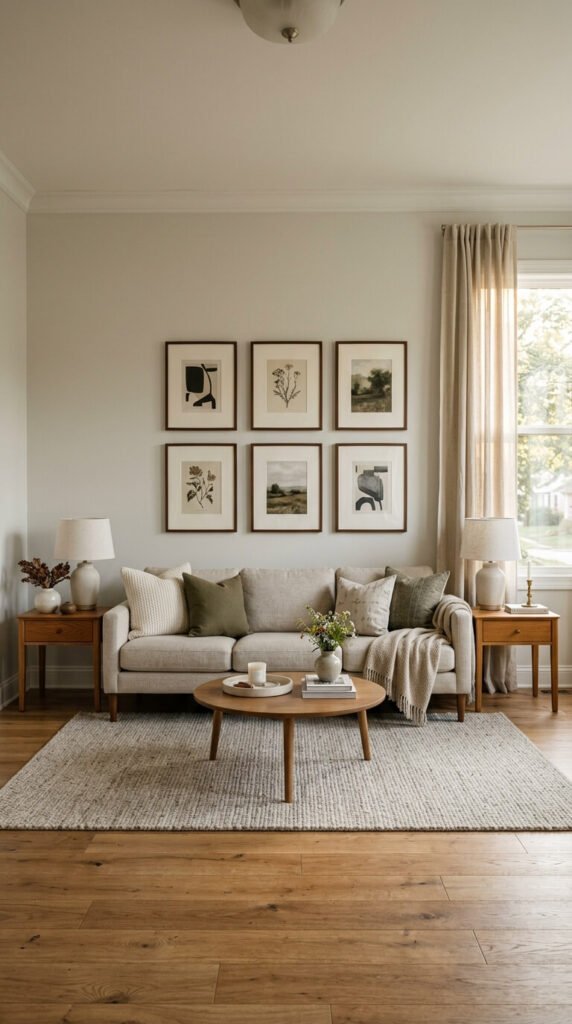
Before you move a single piece of furniture, it helps to understand what “balance” actually means in design terms. There are two main types:
- Symmetrical balance — mirroring one side of the room with the other. Think matching nightstands, identical lamps, or a sofa centered under a window. It feels formal, calm, and ordered.
- Asymmetrical balance — using different objects that carry similar visual weight. A tall bookshelf on one side might be balanced by a large piece of art and a floor lamp on the other. It feels relaxed, modern, and creative.
Neither is better than the other — it’s all about what suits your style and the room’s purpose.
Start With a Focal Point
Every balanced room needs an anchor — a focal point that draws the eye first and organizes everything else around it.
Common focal points include:
- A fireplace
- A large window with a view
- A statement wall or piece of art
- A bed in a bedroom, or a sofa in a living room
Once you identify your focal point, arrange your furniture to face or complement it. This instantly gives the room a sense of purpose and direction.
Mind Your Visual Weight
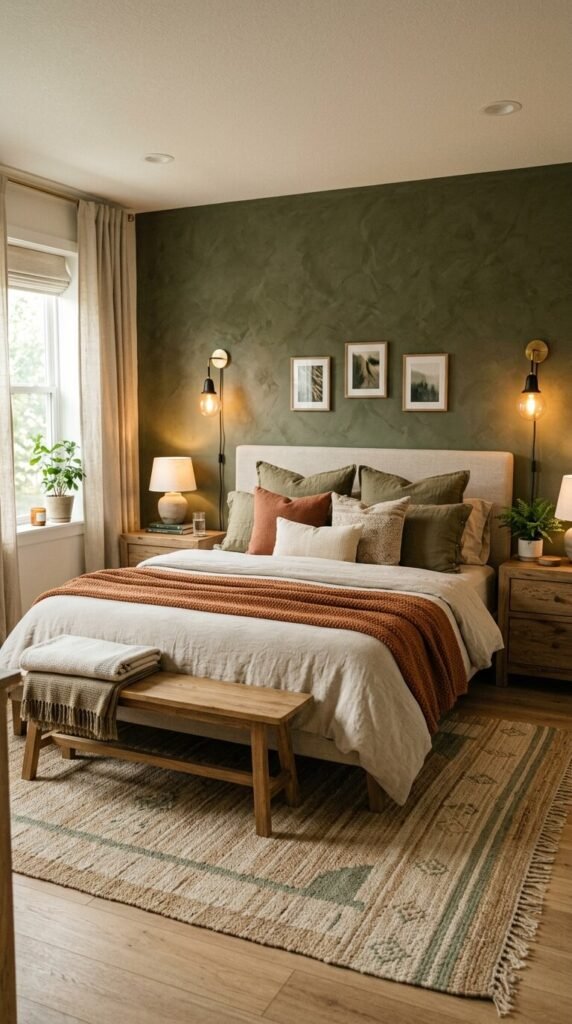
Visual weight is how heavy or dominant an object feels — not how much it actually weighs. A dark velvet sofa feels heavier than a light linen one. A large abstract painting carries more visual weight than a small framed print.
Here’s how to use this to your advantage:
- Distribute heavy pieces around the room rather than pushing them all to one side.
- Use rugs to anchor furniture groupings and create a sense of groundedness.
- Balance dark items with light ones — a dark wood coffee table works beautifully with a white or cream sofa.
- Layer textures to add depth without visual clutter.
A room where all the “heavy” elements are on one side will always feel slightly off, even if you can’t immediately pinpoint why.
Use the Rule of Odds and Vary Heights
Two design tricks that work every single time:
The Rule of Odds: Group decorative items in sets of three or five rather than two or four. Odd numbers feel more natural and dynamic to the eye.
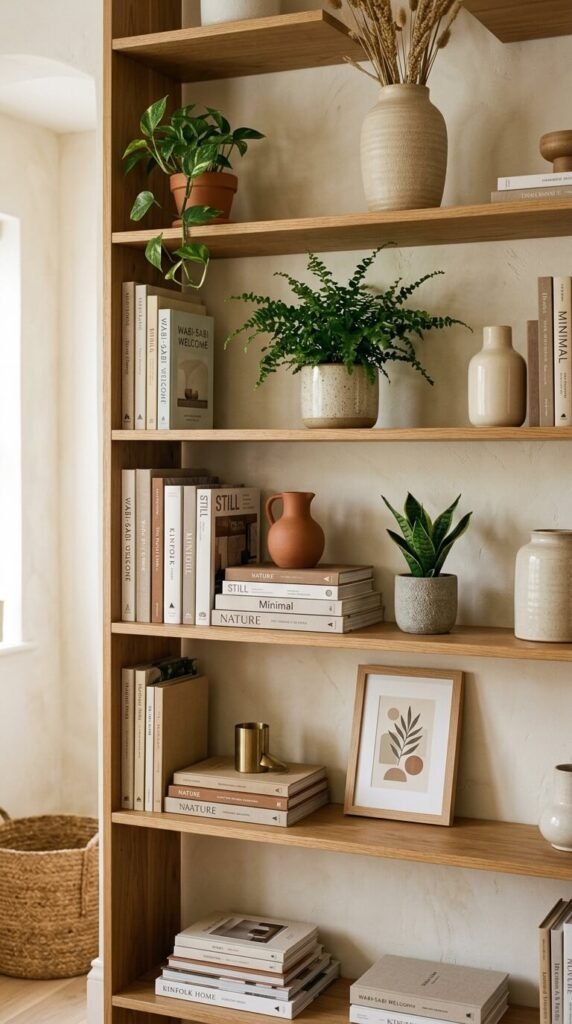
Vary Your Heights: Avoid placing everything at the same level. Mix tall floor lamps with low side tables, stack books beside a trailing plant, or layer a tall vase next to a short candle grouping. This vertical variation keeps the eye moving and makes a room feel alive.
Don’t Forget Negative Space
One of the most overlooked tools in room balance is empty space. Negative space — the areas without furniture or décor — gives the eye somewhere to rest. A room crammed with objects, no matter how beautiful, will always feel chaotic and heavy.
- Leave breathing room between furniture pieces.
- Resist the urge to fill every wall.
- Keep walkways clear and intentional.
Think of negative space as part of your design, not a gap you forgot to fill.
Final Thoughts: Trust the Feel, Not Just the Formula
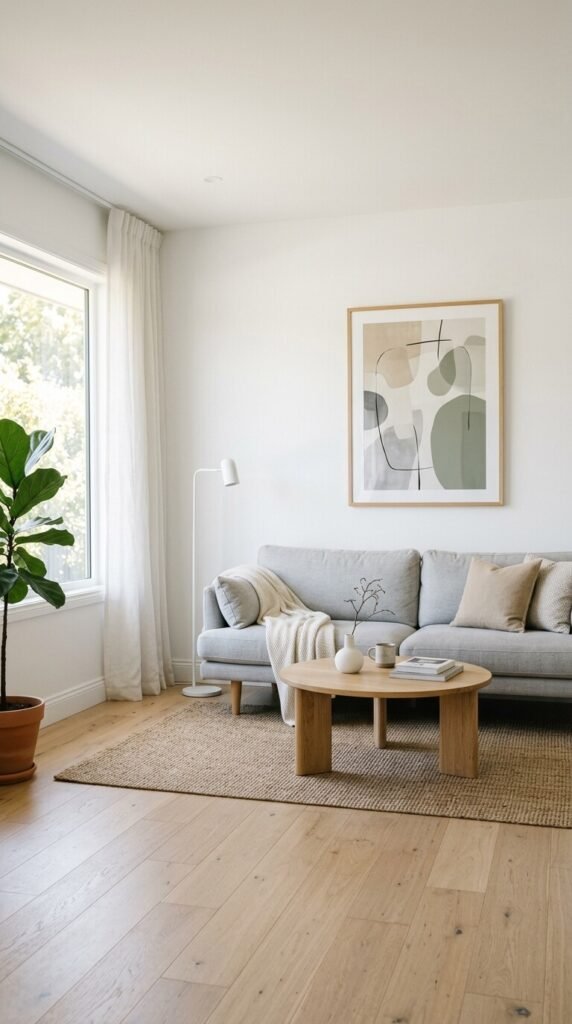
Achieving balance in a room is part science, part intuition. Use these principles as a starting point, but trust how the space feels when you’re standing in it. Step back, look at the room as a whole, and ask yourself: does anything feel too heavy, too empty, or too crowded?
Small adjustments — sliding a chair a few inches, swapping out a lamp, adding a throw blanket — can shift the entire energy of a space.
Save this article for your next room refresh, and pin it when you’re ready to start rearranging! Your most harmonious room is just a few thoughtful tweaks away. ✨