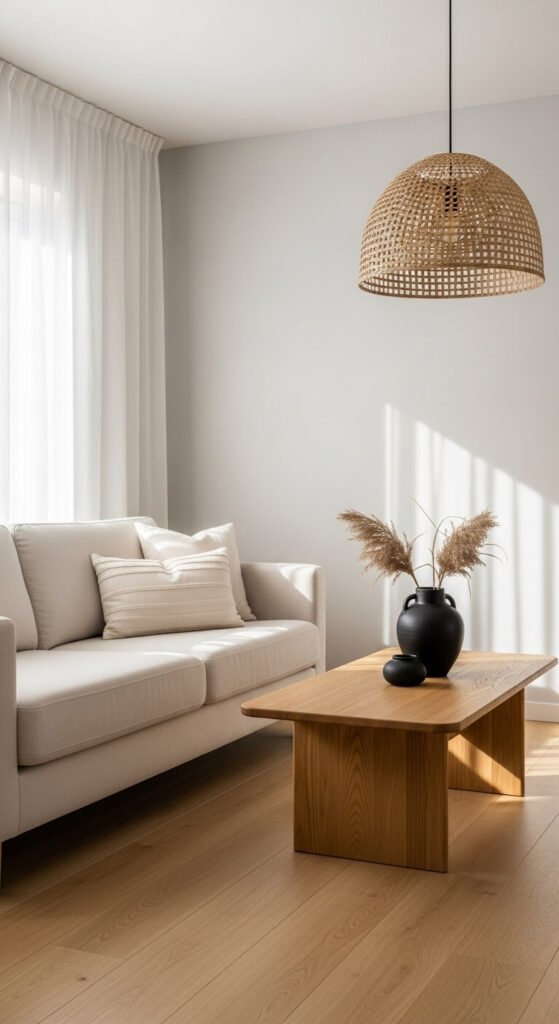
Japandi design marries Japanese minimalism with Scandinavian coziness, creating spaces that feel calm yet inviting. This style emphasizes natural materials, neutral palettes, and functional beauty. You’ll find clean lines paired with organic textures, muted tones balanced by warm woods, and intentional empty space that lets each piece breathe. The result? Rooms that reduce visual clutter while wrapping you in comfort. Whether you’re refreshing a single corner or reimagining your entire home, these ideas prove you don’t need a big budget to achieve that peaceful, lived-in aesthetic.
Natural Wood Furniture with Clean Lines
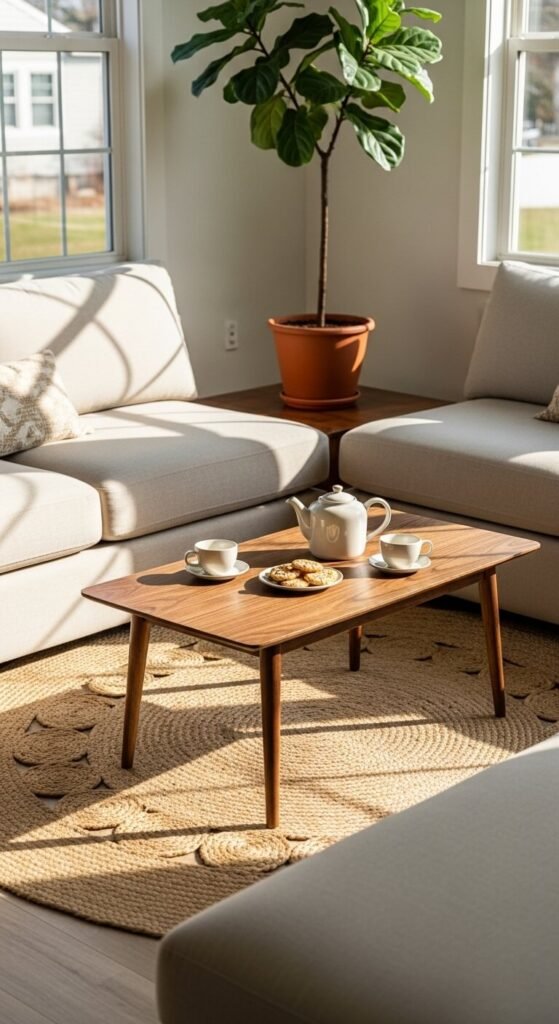
Choose furniture with simple shapes and visible wood grain. A solid oak dining table or teak sideboard brings instant Japandi appeal.
Shop secondhand stores for mid-century pieces. Sand and oil them yourself for under $30. Look for low-profile designs that don’t overwhelm the room.
Avoid ornate carvings or glossy finishes. Stick to matte or natural oils. Pair wooden pieces with neutral textiles to keep things balanced. Even one statement wood item can anchor your space and set the tone for the rest of your decor.
Neutral Color Palette with Earthy Accents
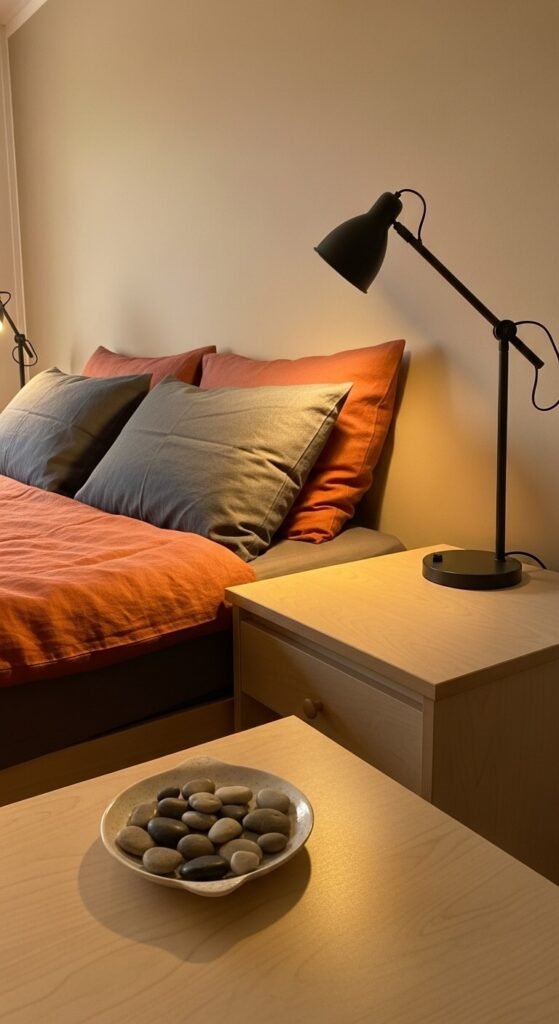
Start with whites, beiges, and soft grays as your base. Add warmth through terracotta, rust, or muted olive.
Paint one accent wall for $40 instead of redoing the whole room. Swap throw pillows and blankets in earthy tones. Keep patterns minimal—think solid colors or subtle textures.
Use paint samples to test shades in different lighting before committing. Layer shades within the same color family to add depth without chaos. This palette works because it mirrors nature, making any space feel grounded and calm.
Woven Textures and Natural Fibers
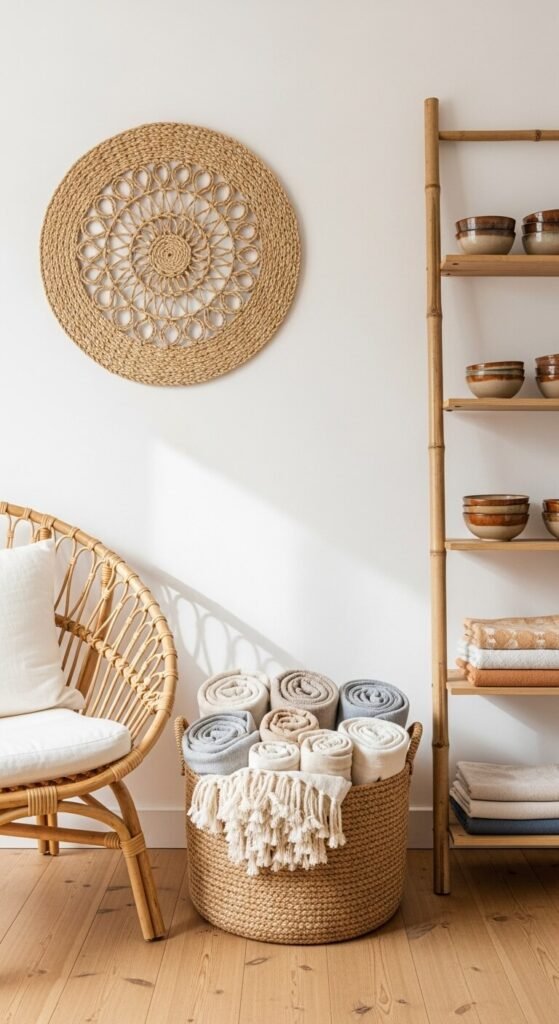
Introduce baskets, rugs, and textiles made from jute, rattan, or linen. These materials add visual interest without busy patterns.
Find affordable woven baskets at discount stores for storage and style. Hang a macramé wall piece you make yourself using YouTube tutorials. Layer textures on sofas with linen covers and chunky knit throws.
Mix smooth and rough surfaces—pair a sleek table with a jute rug. Natural fibers bring warmth while keeping the minimalist vibe intact. They’re durable, age beautifully, and fit any room from bathroom to bedroom.
Minimalist Shelving and Open Storage
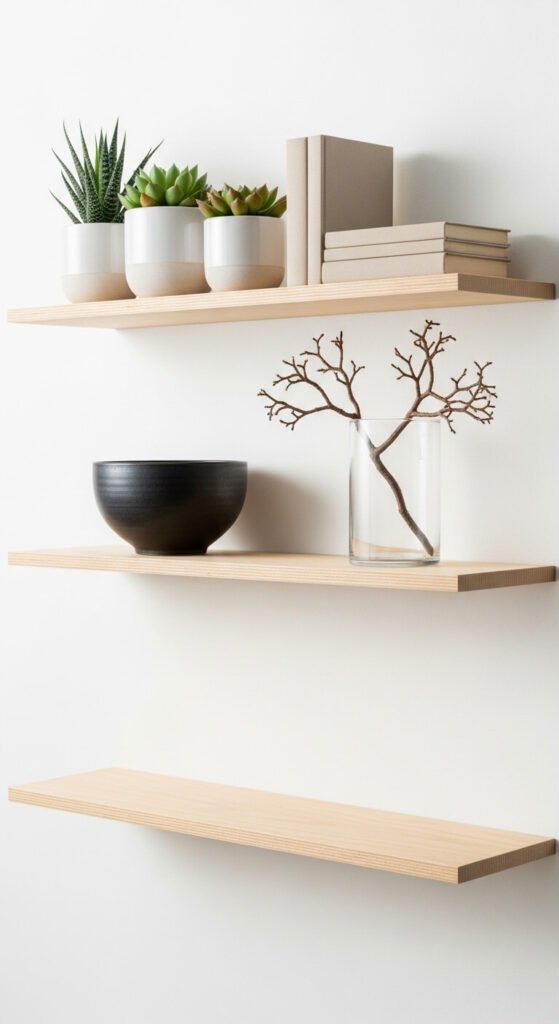
Install floating shelves to display a few curated items. Open storage reduces visual weight and makes rooms feel larger.
Build simple shelves from pine boards and brackets for under $25. Paint them matte white or leave natural. Display only what you love—a plant, a handmade bowl, a favorite book.
Remove half of what you think looks good. Negative space is part of the design. Rotate items seasonally to keep the look fresh. Open shelving forces you to stay organized, which naturally supports the Japandi ethos of intentional living.
Low-Profile Seating and Floor Cushions
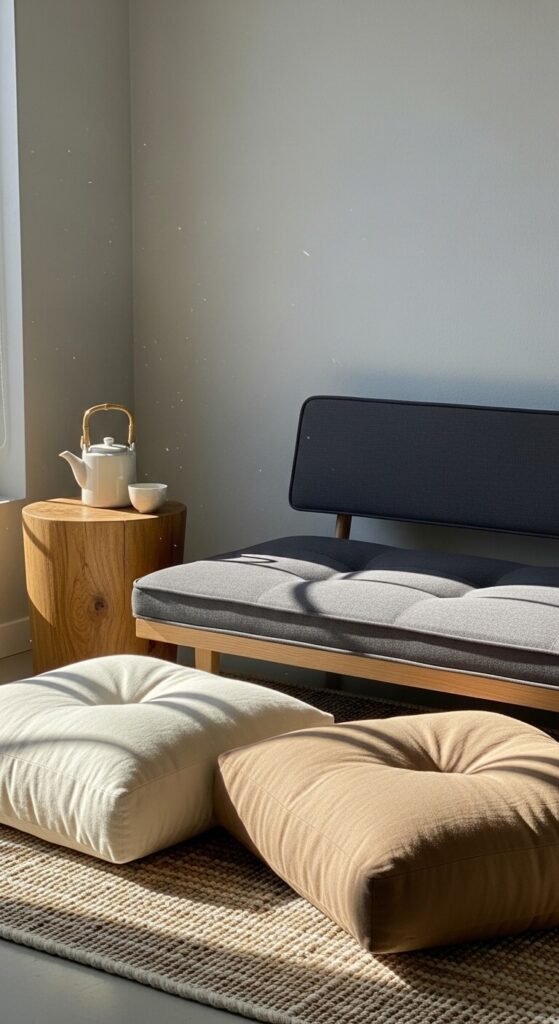
Choose seating that sits close to the ground. Low sofas, poufs, and floor cushions create a relaxed, grounded atmosphere.
Buy floor cushions at home stores or make covers for old pillows using linen fabric. A low platform bed frame changes the whole bedroom feel for minimal cost. Go for firm cushions that hold their shape.
Pair with a coffee table at a similar height. This layout encourages slower living and casual gatherings. Low furniture also makes ceilings appear higher, which helps small spaces feel more open.
Sliding Shoji-Inspired Panels
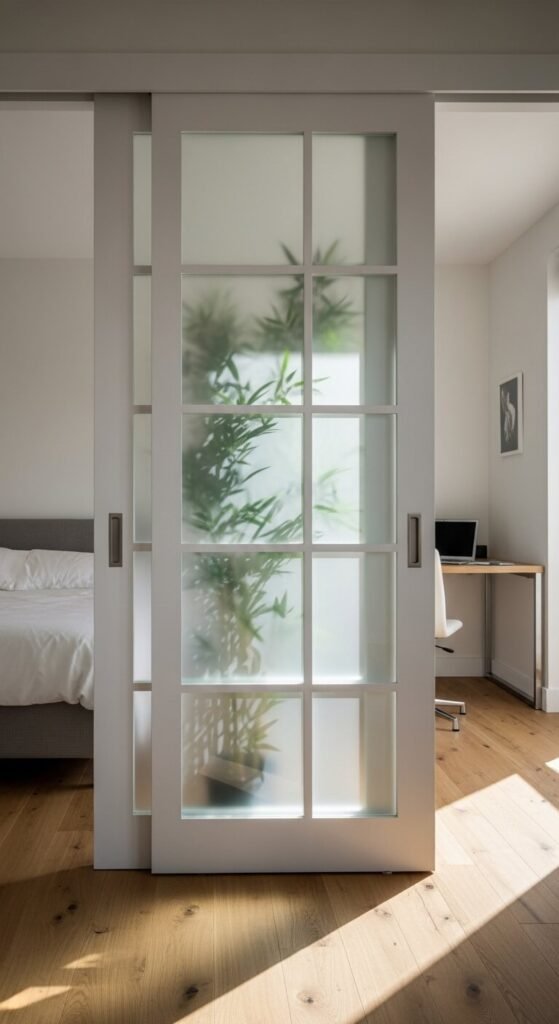
Use sliding panels instead of traditional doors to divide spaces. They save floor space and add architectural interest.
Build simple frames from pine and stretch white fabric or frosted contact paper for under $50. Install sliding barn door hardware from a hardware store. Keep panels light-colored to maintain brightness.
These work great for closets, room dividers, or hiding laundry areas. The semi-transparent quality lets light flow while providing privacy. They’re easier to DIY than you think and instantly make a space feel more intentional.
Matte Black Hardware and Fixtures
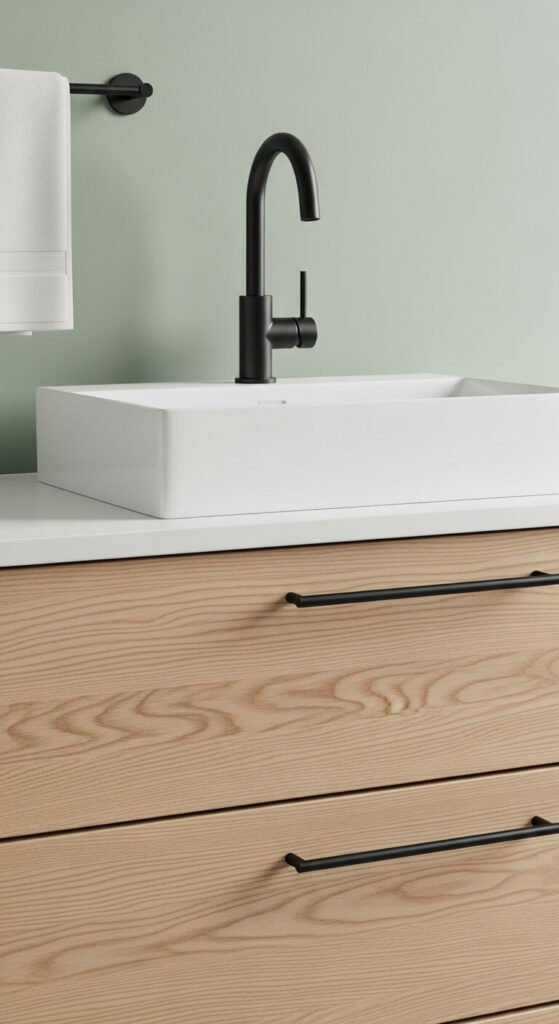
Swap shiny metal for matte black handles, faucets, and light fixtures. The contrast against light backgrounds is striking.
Replace cabinet pulls yourself for $2-5 each. Spray paint old fixtures with matte black paint designed for metal. Use black sparingly as an accent, not everywhere.
It adds definition without heaviness. Black grounds a space and prevents it from feeling too washed out. This small change delivers maximum visual impact for minimal investment and effort.
Indoor Plants in Simple Containers
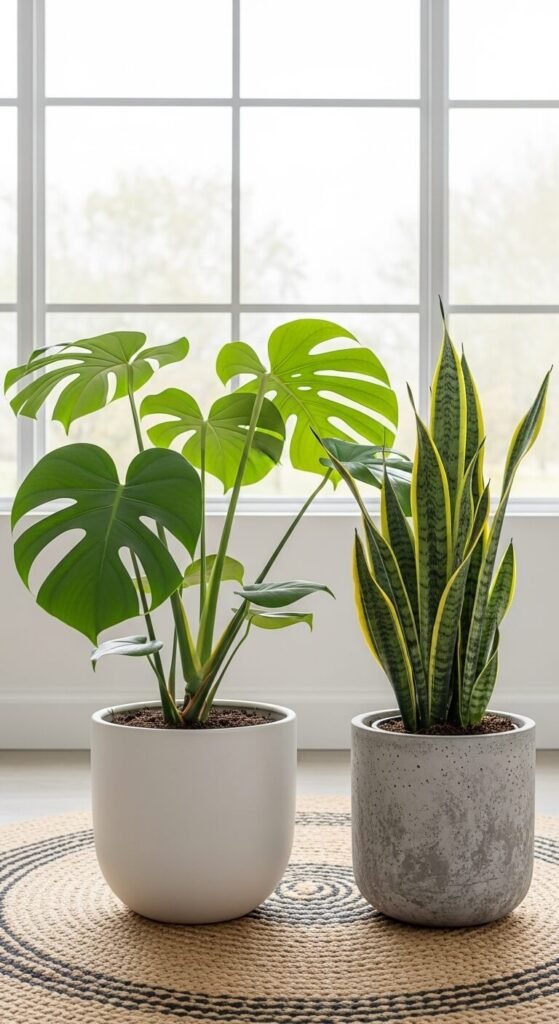
Add greenery in understated pots. Stick to white, gray, or terracotta ceramics with no patterns.
Repot plants from plastic nursery containers into thrifted ceramic pots. Choose low-maintenance plants like pothos, snake plants, or succulents. Group plants in odd numbers for better visual balance.
Place them at varying heights using plant stands or stacked books. Plants purify air and bring life to neutral spaces. They’re the easiest way to add color while staying true to the Japandi palette.
Handmade Ceramics and Pottery
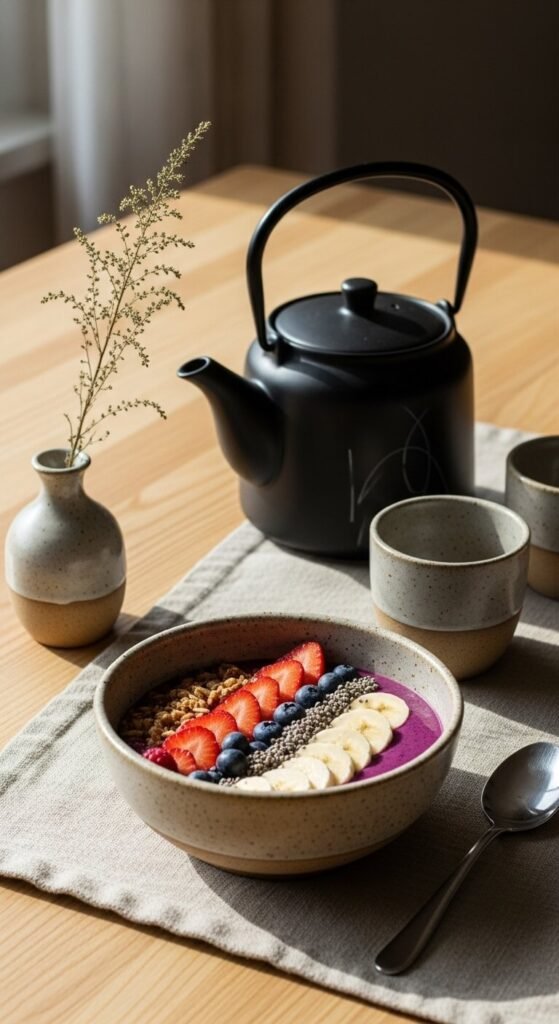
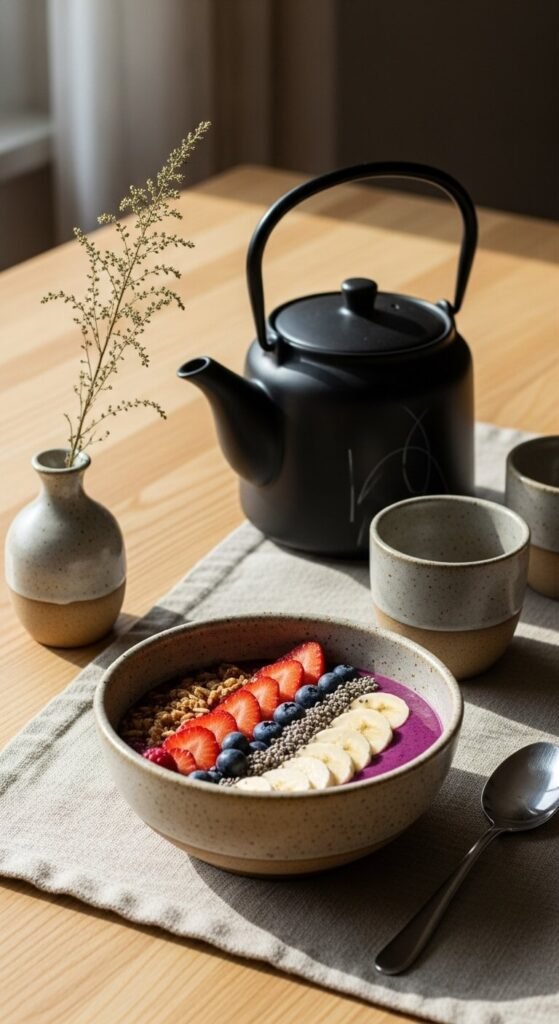
Display artisan ceramics in everyday use. Handmade bowls, mugs, and vases add character without clutter.
Shop local craft markets or online for affordable handmade pieces. Start with one special mug or bowl. Look for organic shapes and neutral glazes in cream, gray, or earth tones.
Imperfections make handmade pieces interesting. Use them daily instead of hiding them away. Supporting makers also means you’re investing in quality over mass production, which aligns perfectly with Japandi values.
Pendant Lighting in Natural Materials
Hang woven or bamboo pendant lights for soft, ambient glow. Natural materials diffuse light beautifully.
Find pendant shades at budget home stores or make your own by spray painting a basket and adding a light kit. Install dimmer switches to control mood.
Hang pendants lower over tables to create intimacy. Natural fiber shades work in kitchens, dining rooms, or bedrooms. They’re statement pieces that don’t scream for attention, fitting the understated Japandi aesthetic perfectly.
Decluttered Surfaces and Negative Space
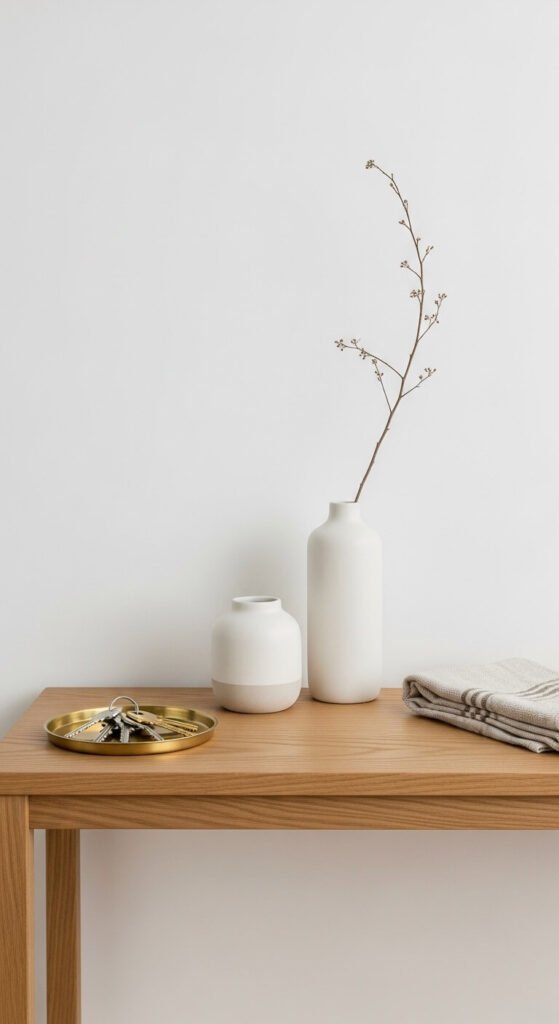
Keep counters, tables, and shelves mostly empty. Negative space is a design element, not something to fill.
Remove items one by one until a surface feels balanced. Store daily items in drawers or closed baskets. Follow the “one in, one out” rule for new purchases.
Leave breathing room around each displayed object. This approach reduces stress and makes cleaning easier. Your home should showcase what matters, not every possession you own.
Linen and Cotton Textiles
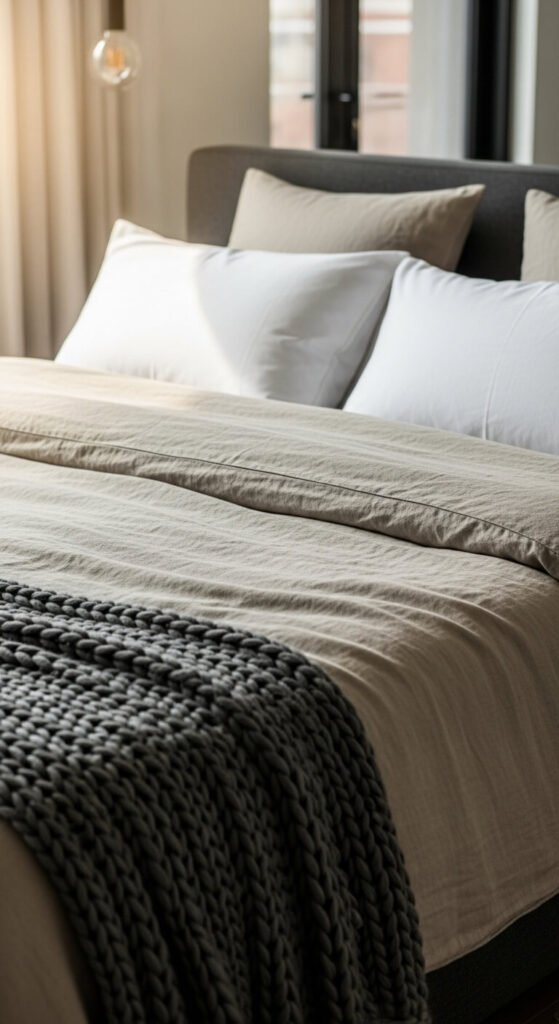
Choose natural fabrics over synthetics. Linen and cotton age well and feel luxurious.
Buy linen bedding on sale or from budget brands. Wash without fabric softener to maintain texture. Embrace wrinkles—they’re part of the appeal.
Layer different weights and tones of the same color. Natural textiles regulate temperature better and become softer over time. They’re an investment that pays off in comfort and longevity.
Japanese-Inspired Soaking Tub or Bath Ritual
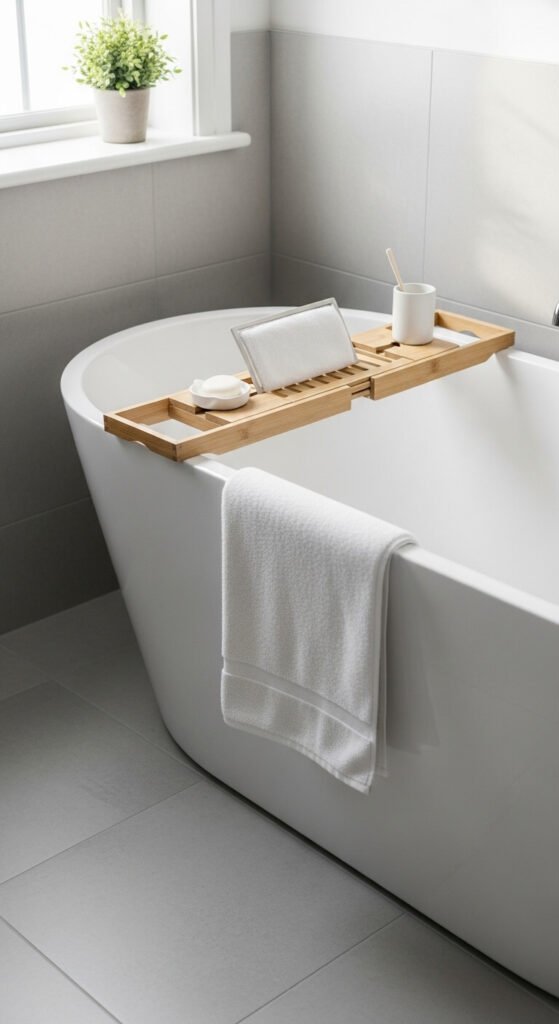
Create a spa-like bathing experience. Even a standard tub can become a sanctuary with simple touches.
Add a wooden bath caddy from a home store. Use unscented salts and a rolled towel as a headrest. Light a single candle for ambiance.
Keep products minimal and in matching containers. Play calming music or enjoy silence. This ritual costs almost nothing but transforms your bathroom into a retreat. The focus is on slowing down, not fancy products.
Wabi-Sabi Philosophy in Decor
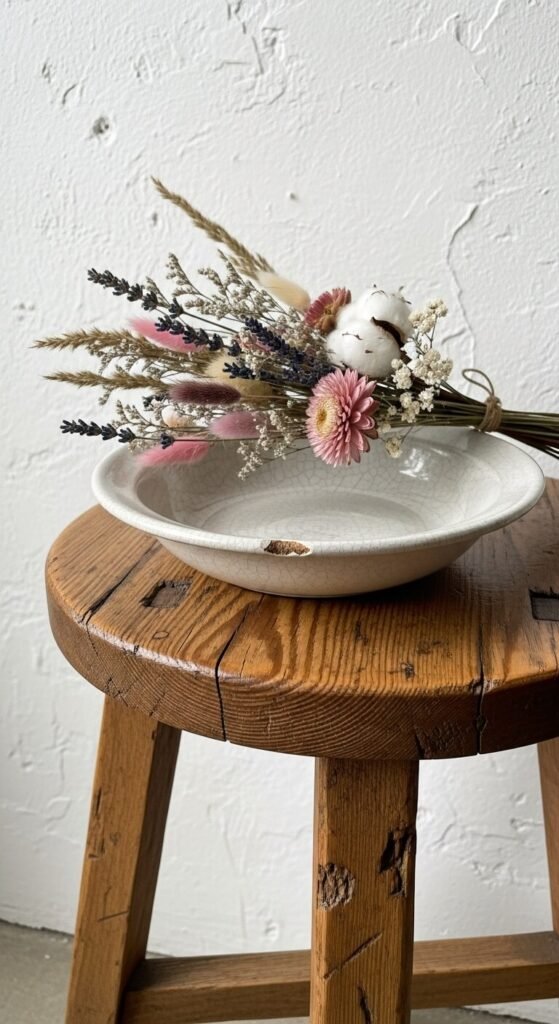
Embrace imperfection and aging. Wabi-sabi celebrates the beauty in worn, weathered, and handmade items.
Keep that chipped favorite mug or scratched table. Repair broken pottery with gold-colored glue for a kintsugi effect. Don’t replace items just because they show use.
Display vintage finds with patina. This mindset saves money and reduces waste. Perfection feels sterile; character makes a home feel lived in and loved. Wabi-sabi is permission to stop chasing an impossible ideal.
Functional Minimalism Without Coldness
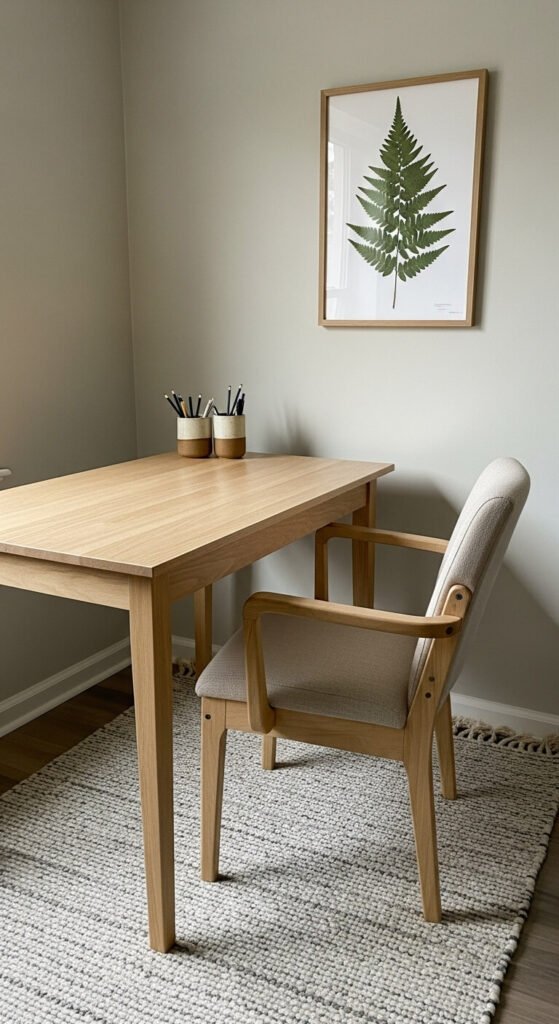
Keep rooms minimal but inject warmth through materials and lighting. Functionality doesn’t mean stark.
Add soft lighting with paper lanterns or warm LED bulbs. Include at least one cozy element per room—a rug, cushion, or throw. Choose furniture that serves a purpose but looks inviting.
Avoid sterile whites by using off-whites and creams. Balance hard surfaces with soft textiles. Minimalism should feel calming, not cold. The goal is to remove excess, not comfort.
Scandinavian Hygge Corners
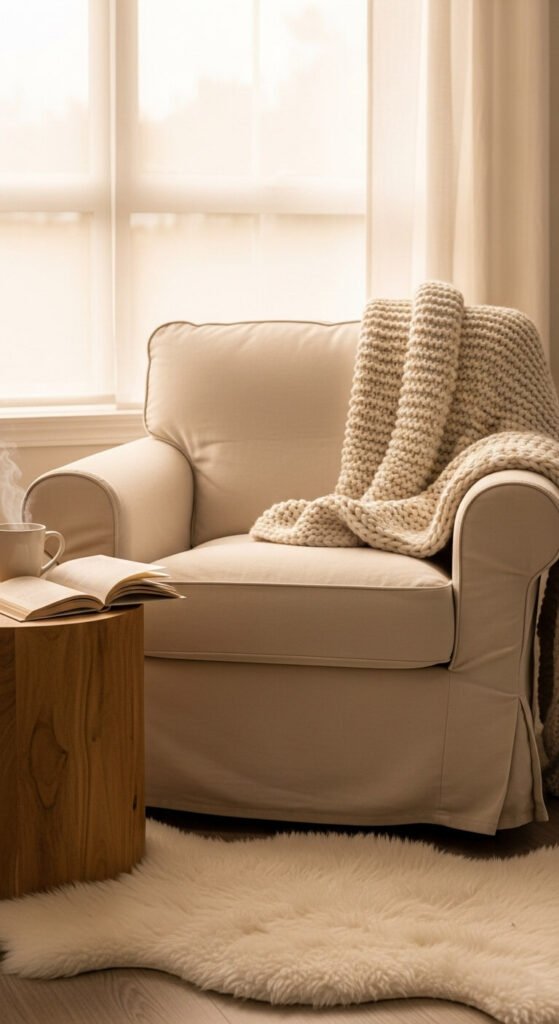
Carve out a cozy spot for reading or relaxing. Layer soft textures and warm lighting.
Use a corner chair you already have. Add a thrifted floor lamp and a blanket. Keep books nearby but not piled high.
Include a small table for tea or coffee. This becomes your designated slow-down zone. Hygge is about creating comfort and contentment, which complements Japandi’s calm minimalism perfectly.
Natural Light Maximization
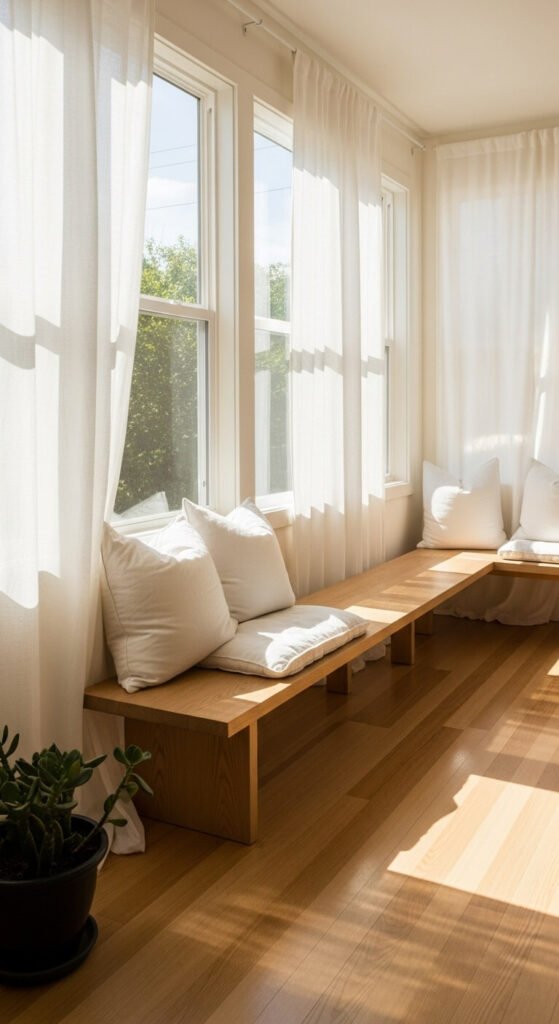
Remove heavy drapes and obstacles blocking windows. Let sunlight define your space throughout the day.
Hang sheer curtains or leave windows bare if privacy allows. Clean windows inside and out. Rearrange furniture to avoid blocking light paths.
Use mirrors opposite windows to bounce light deeper into rooms. Natural light is free and makes every color look better. It also reduces the need for artificial lighting during the day, saving energy and creating a healthier environment.
Bamboo and Wood Accents
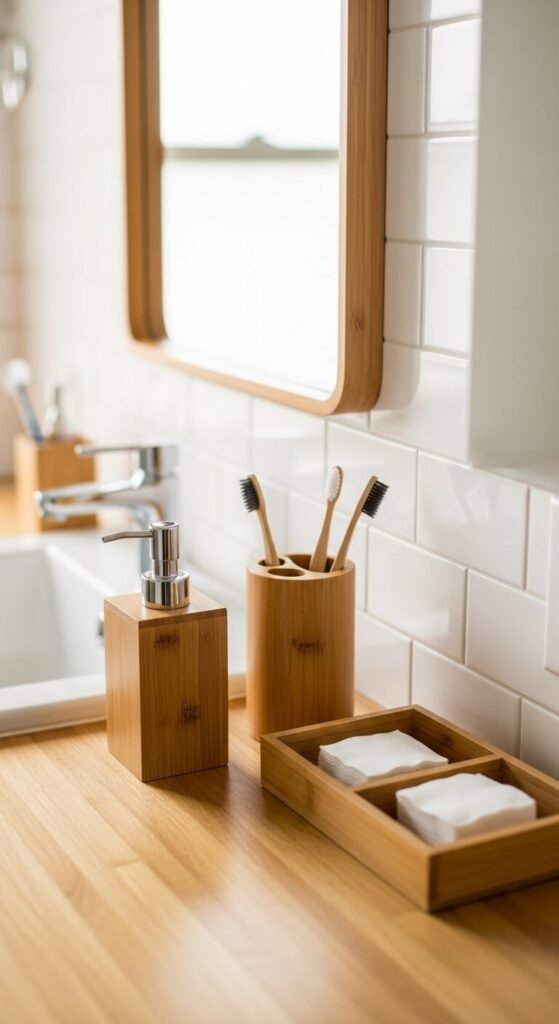
Incorporate bamboo organizers, cutting boards, and accessories. Wood details warm up any space.
Replace plastic bathroom accessories with bamboo versions for $10-15 total. Use wooden hangers in closets. Choose real wood over fake finishes.
Even small touches like wood coasters or a cutting board displayed on the counter make a difference. These materials are sustainable and age beautifully. They’re proof that eco-friendly choices can also be stylish.
Multi-Functional Furniture
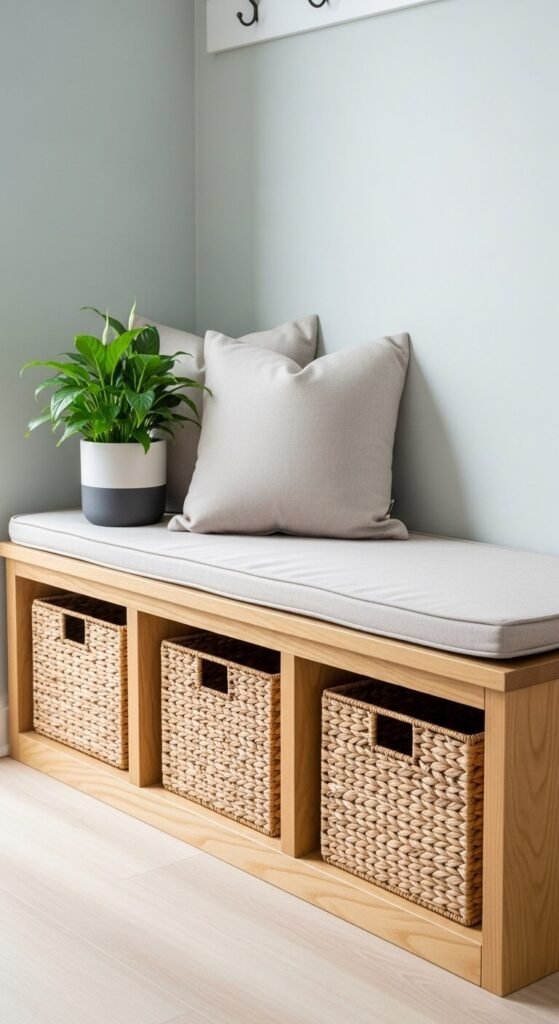
Choose pieces that serve more than one purpose. This saves space and money.
Look for storage ottomans, benches with cubbies, or tables with drawers. Build a simple platform bed with storage underneath using wooden crates. Every piece should earn its place.
Avoid single-use furniture in small spaces. Multi-functional items reduce clutter while keeping your home practical. They embody the Japandi principle of intentional design where form and function coexist.
Paper Lanterns and Soft Lighting
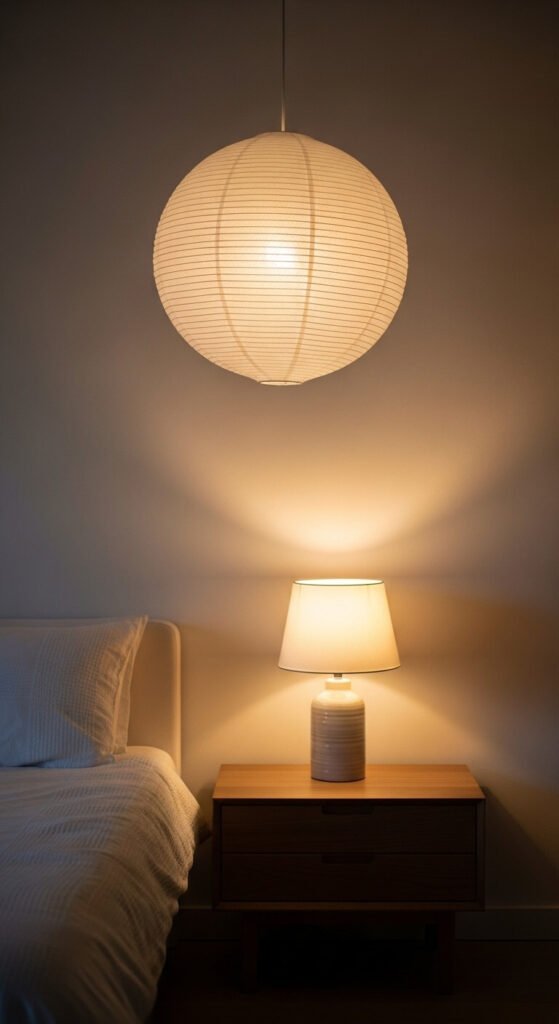
Use paper lanterns for gentle, diffused light. They’re affordable and create instant atmosphere.
Buy basic paper lanterns for $10-20 and install with ceiling hooks. Pair with warm LED bulbs. Layer lighting at different heights—ceiling, table, floor.
Avoid harsh overhead lights. Soft lighting makes spaces feel welcoming and helps you wind down in the evening. Paper lanterns add sculptural interest while staying true to minimalist Japanese roots.
Monochromatic Palette with Subtle Variation
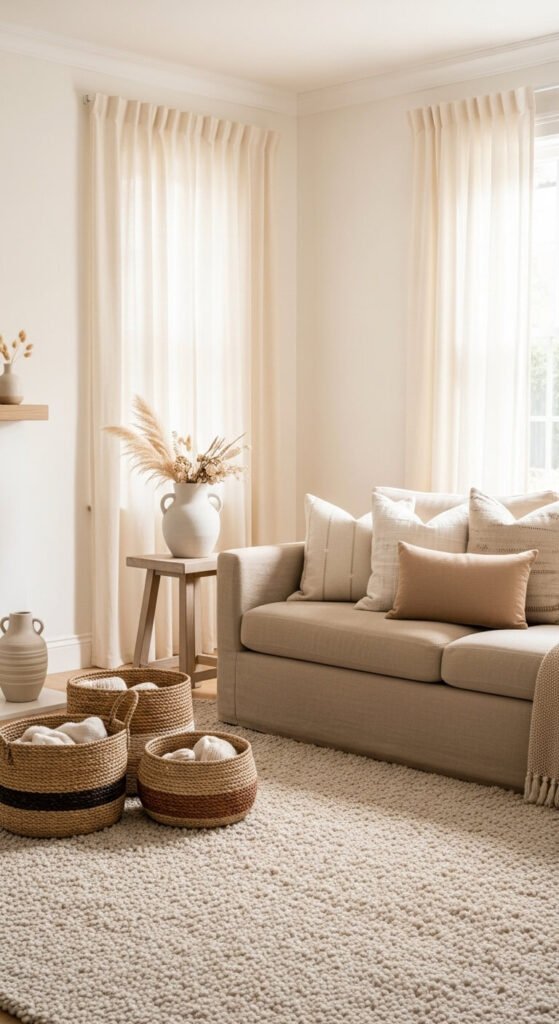
Stick to one color family but vary the tones. This creates depth without introducing competing colors.
Paint walls and trim in two shades of the same neutral. Choose textiles in graduated tones of beige, gray, or white. Let texture provide contrast instead of color.
This approach is forgiving and easy to pull off. It feels sophisticated and cohesive. You can shop over time without worrying about matching exact shades, as long as you stay within your chosen color range.
Open Floor Plans and Flow
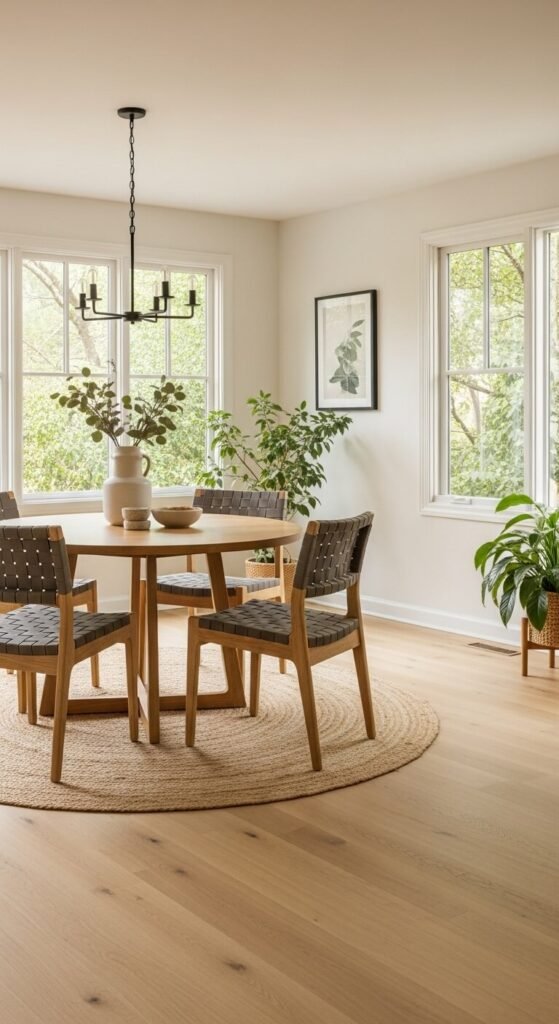
Remove unnecessary barriers between rooms. Let spaces flow into each other naturally.
Rearrange furniture to create clear pathways. Use rugs to define areas without walls. Keep sightlines open so you can see across the space.
This doesn’t require construction—just thoughtful furniture placement. Open layouts make homes feel larger and encourage movement. They reflect the Japandi love of uncluttered, harmonious living where every room connects visually and functionally.
Artisan Touches and Handmade Details
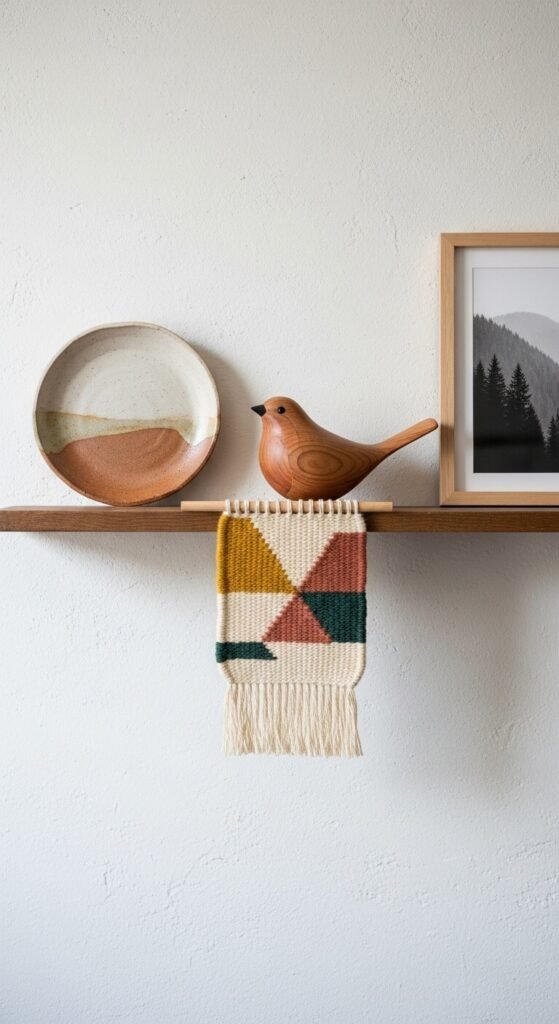
Include a few handcrafted items that tell a story. These personal touches prevent minimalism from feeling generic.
Attend craft fairs or make something yourself—a simple clay dish or woven wall hanging. Display items that have meaning, not just things that match.
Limit to one or two per room. Handmade objects carry energy and intention that mass-produced items don’t. They make your space uniquely yours while honoring the Japandi appreciation for craftsmanship and authenticity.
Conclusion
Japandi design isn’t about buying everything new or following rigid rules. Start with one room or even one corner. Clear surfaces, add natural materials, and choose pieces you actually love. Shop your own home first, then fill gaps thoughtfully. The beauty of this style is that it grows with you and adapts to your budget. Small changes—a plant, a linen throw, a handmade bowl—add up to spaces that feel peaceful and personal. Your home should support how you want to live: simply, warmly, and with intention.