Ever walked into a room that just felt right — and couldn’t quite explain why? Chances are, the designer nailed something most people overlook: scale and proportion. These two principles are the secret backbone of every beautifully styled space you’ve ever pinned. And the best part? Once you understand them, you can recreate that “pulled-together” magic in your own home.
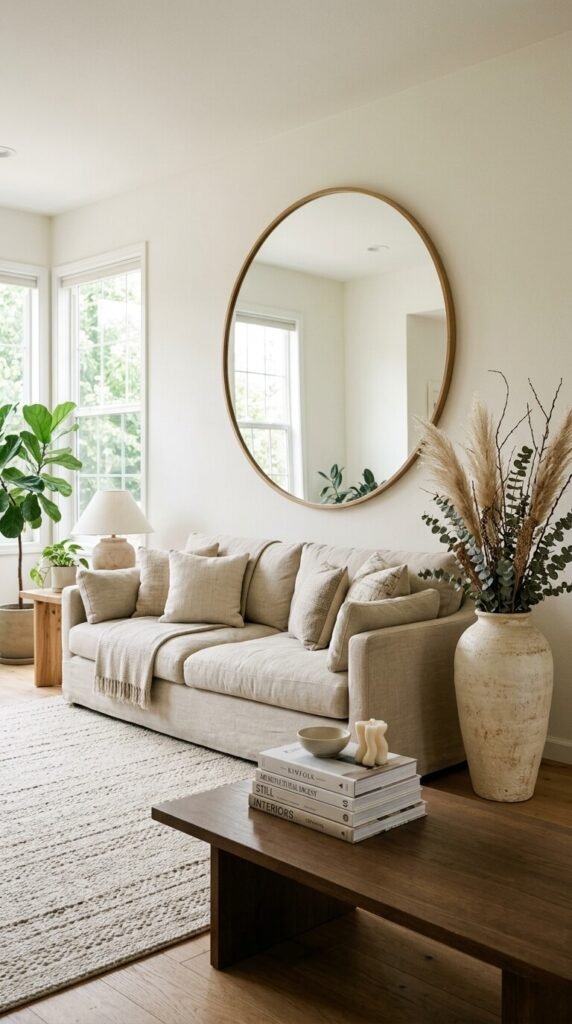
What’s the Difference Between Scale and Proportion?
These two terms get used interchangeably, but they’re slightly different — and both matter.
- Scale refers to the size of an object relative to the room. A tiny side table in a massive great room looks lost. A king-sized bed crammed into a studio feels suffocating.
- Proportion refers to how objects relate to each other. A tall lamp next to a low sofa can feel off. Two items of similar visual weight, even if different sizes, tend to feel harmonious.
Think of scale as the big picture and proportion as the detail work. You need both working together.
Start with the Anchor Piece
Every well-decorated room has an anchor — the largest, most dominant piece that everything else responds to. This is usually:
- A sofa in the living room
- A bed in the bedroom
- A dining table in the eat-in kitchen
Once your anchor is in place, every other item should be sized in response to it. A sofa that’s 84 inches wide calls for a coffee table at least 48 inches long. A king bed needs nightstands that are substantial — not those tiny floating shelves that look like afterthoughts.
Rule of thumb: Supporting furniture should be roughly ⅔ the size of your anchor piece.
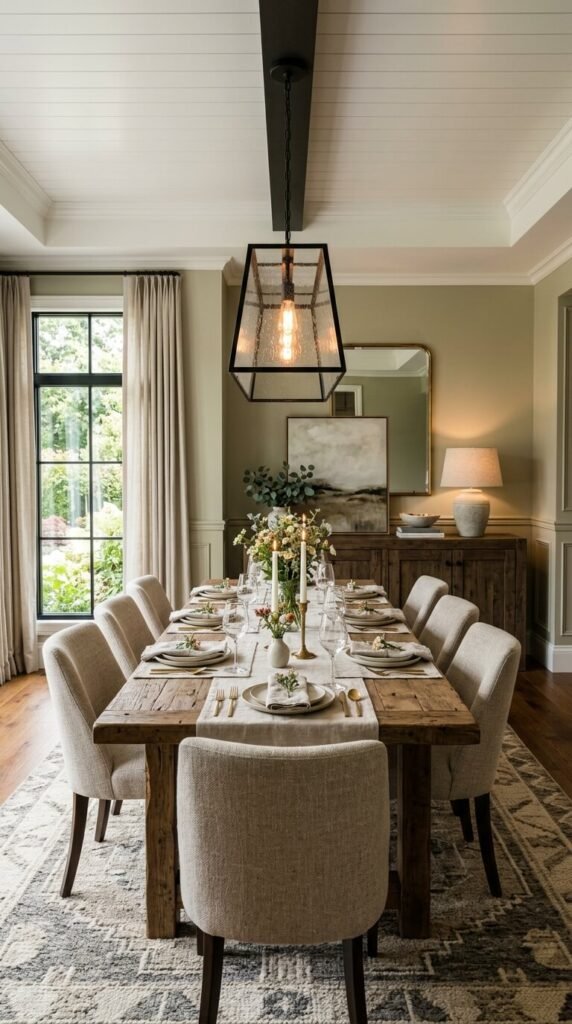
The Rule of Odds (and Why It Works)
Designers swear by decorating in groups of odd numbers — especially threes and fives. Why? Because even numbers create symmetry, and symmetry, while pleasant, can feel static and predictable. Odd groupings create visual movement, guiding the eye naturally from one object to the next.
When styling a shelf or console table, try grouping:
- A tall vase + a medium object (like a small sculpture) + a low, flat item (like a book stack)
- Three candles of varying heights
- Five succulents in different-sized pots
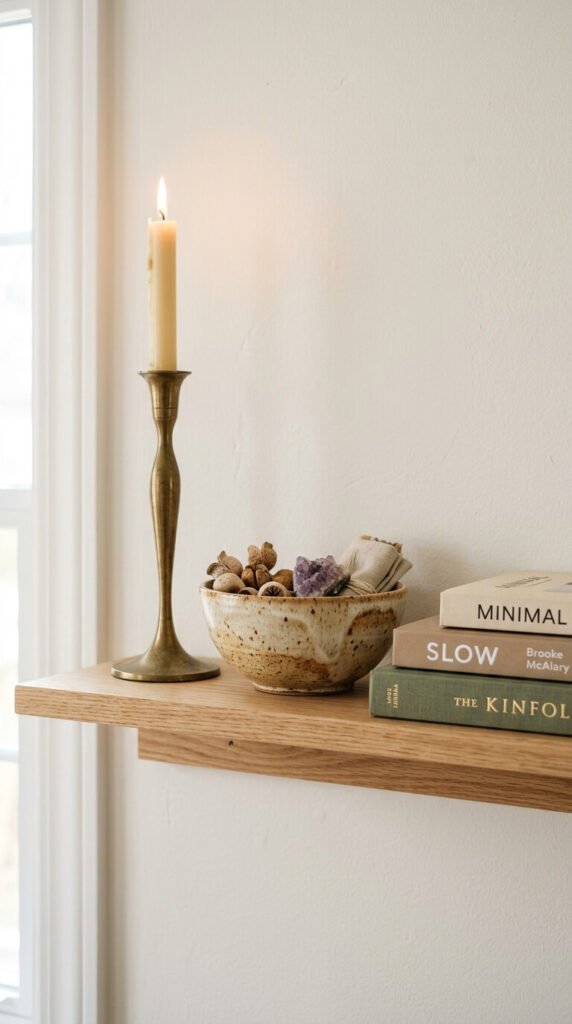
Vary the height within the group too. This creates proportion within the vignette itself, making it feel layered and intentional rather than flat.
Don’t Forget Negative Space
One of the biggest mistakes in home decorating? Filling every surface. Designers call the empty space “negative space,” and it’s not wasted — it’s working hard.
Negative space:
- Lets your eye rest between focal points
- Makes each individual piece feel more important
- Prevents a room from reading as cluttered or overwhelming
A practical test: step back and squint at a shelf or vignette. If everything blurs together into one visual mass, you need more breathing room. Remove one or two items, and watch the remaining pieces suddenly sing.
Use Height to Create Visual Flow
Rooms that feel flat often lack vertical variation. Designers use tall elements — floor lamps, large plants, tall bookshelves, hanging artwork — to draw the eye up and make ceilings feel higher.
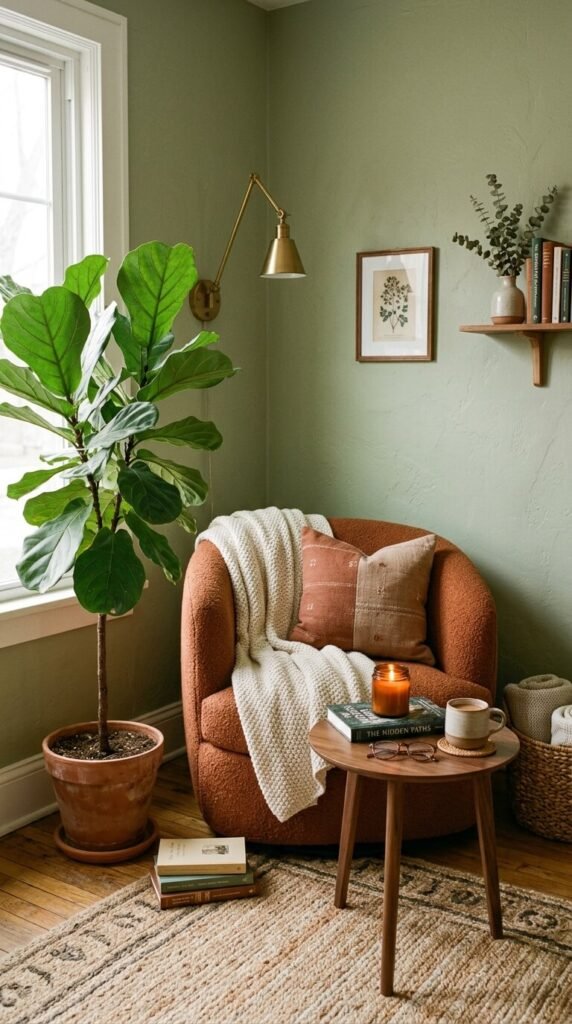
A great formula for any corner:
- Tall element — a floor plant, arc lamp, or tall artwork
- Medium element — a chair, side table, or console
- Low element — a tray, stack of books, or small decorative object
This creates a diagonal line that feels dynamic and complete.
Quick Cheat Sheet: Scale & Proportion at a Glance
| Space | Anchor Piece | Supporting Scale |
|---|---|---|
| Living Room | Sofa | Coffee table = ⅔ sofa width |
| Bedroom | Bed | Nightstands at mattress height |
| Dining Room | Table | Pendant light = ½ table width |
| Console Table | Mirror or art | Fills ¾ of wall width above it |
The Takeaway
Scale and proportion aren’t just for interior designers with fancy degrees — they’re learnable, repeatable principles that transform a room from “fine” to finished. Start with your anchor piece, respond to it with everything else, embrace odd numbers, and leave room to breathe.
Save this article and use it as your styling checklist next time you’re rearranging a room. Your spaces will thank you. ✨