You’ve painted the walls, chosen the sofa, and arranged the furniture — so why does the room still feel unfinished? The answer is almost always in the accessories. The right objects don’t just fill empty space; they whisper personality, tie colors together, and give a room its soul. But choosing them can feel overwhelming. Here’s how to do it with intention.
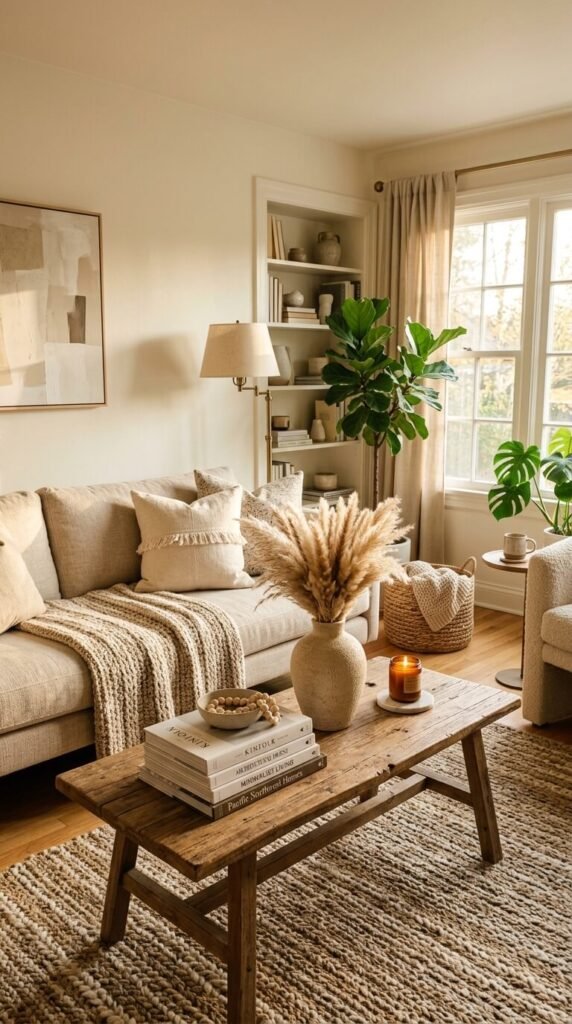
Start With Your Room’s “Story”
Before you buy a single candle or frame, ask yourself: What feeling do I want this room to tell?
Every well-designed space has a narrative — cozy Scandinavian retreat, bold maximalist gallery, breezy coastal escape. Your accessories are the punctuation marks in that story. Without a clear direction, you’ll end up with a collection of random objects that compete rather than collaborate.
Try this:
- Pick 3 words that describe how you want the room to feel (e.g., calm, earthy, layered).
- Use those words as a filter every time you’re tempted to buy something new.
- If a piece doesn’t match at least two of your words, leave it on the shelf.
Follow the Rule of Odd Numbers
Odd-numbered groupings — especially threes — are naturally more visually dynamic than even ones. Instead of two matching vases, try three objects that vary in height, texture, and shape but share a common color palette.
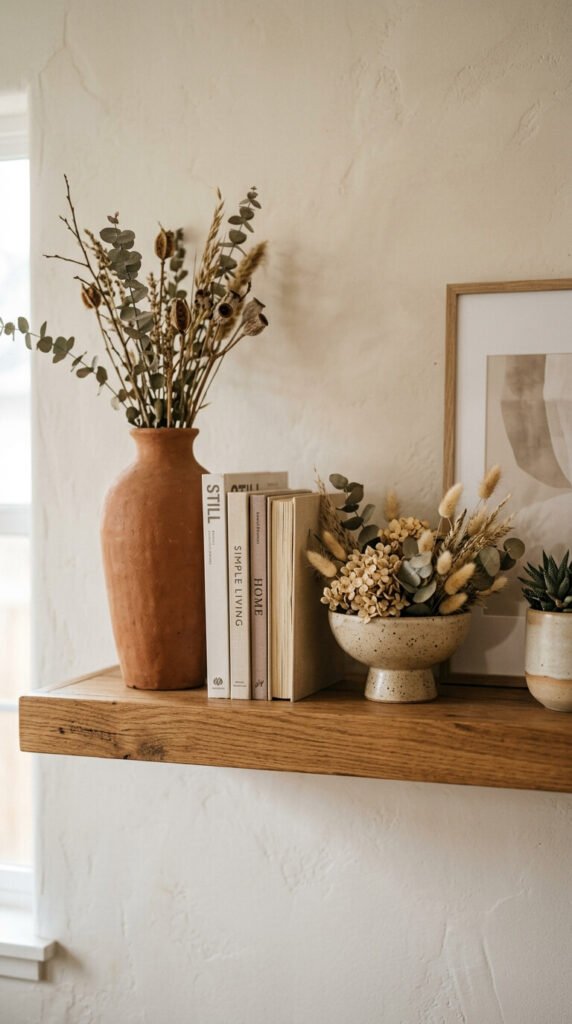
This trick works on:
- Mantels and shelves
- Coffee table arrangements
- Bedroom nightstands
- Entryway consoles
Mix materials freely — ceramic next to brass next to linen creates the kind of curated, collected-over-time look that feels lived-in and real.
Let Color Be Your Connector
Accessories are the easiest — and cheapest — way to pull a color scheme together. The key is repetition without matching.
Pick one or two accent colors from your room and echo them in unexpected places:
- A terracotta pillow that mirrors the warm tones in your artwork
- A green glass bottle that nods to the potted plant in the corner
- A navy throw that anchors the blue in your area rug
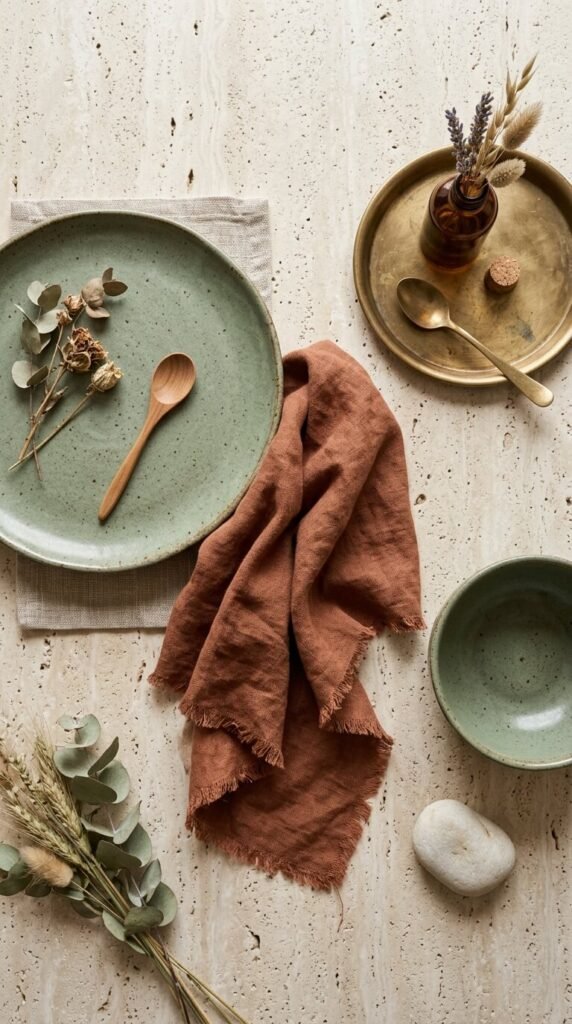
You don’t need everything to match. You need everything to belong.
Mix Meaningful With Decorative
The rooms that feel most alive are the ones that mix purely decorative pieces with items that carry personal meaning — a souvenir from a trip, an inherited object, a handmade piece from a local market.
Here’s a simple formula for any surface:
- One functional item (a lamp, a tray, a clock)
- One natural element (a plant, a stone, a branch)
- One personal piece (a photo, a memento, a handmade object)
- One purely beautiful thing (a sculptural object, a vase, a piece of art)
This approach keeps styling from feeling sterile or staged.
Don’t Forget Negative Space
More is not always more. One of the most powerful accessories in any room? Empty space.
Resist the urge to fill every surface. Leaving breathing room around objects lets them be seen — and gives the eye somewhere to rest. A single sculptural vase on an otherwise bare shelf makes more of a statement than five competing objects crammed together.
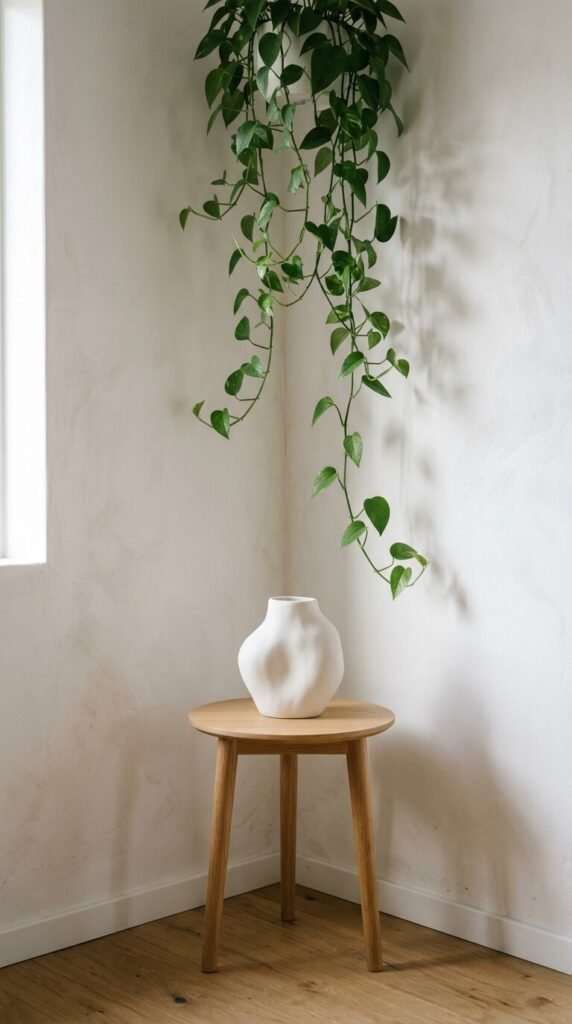
When in doubt, remove rather than add.
Shop Your Own Home First
Before spending a single dollar, walk through every room with fresh eyes. Move things around. That brass candleholder in the bathroom might be exactly what your bookshelf needs. The throw blanket folded in the closet could transform your bedroom bench.
Repositioning what you already own is the fastest way to understand your style — and to see what you’re actually missing.
The Final Touch
Great accessorizing isn’t about filling space. It’s about telling the truth about who you are and how you want to live. Start with your story, edit ruthlessly, and trust your instincts over trends.
Save this guide for your next room refresh — and remember: the best accessory is always the one that makes you smile every time you walk in the door.