Your home should feel like you — not a showroom, not a Pinterest board copied wholesale, and definitely not whatever was on sale at the furniture store. But here’s the thing: most of us have no idea where to start when it comes to making our spaces feel genuinely personal. The result? Rooms full of “fine” pieces that never quite come together. Sound familiar?
The good news is that finding your decorating style isn’t about having expensive taste or a design degree. It’s about learning to trust your instincts — and knowing a few tricks to cut through the noise.
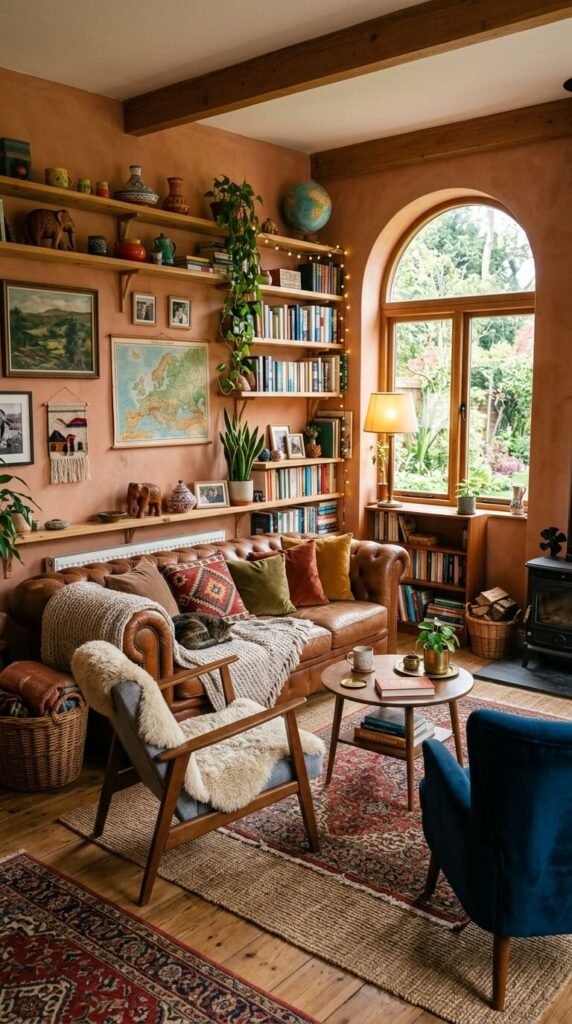
Start With What You Already Love
Before you buy a single thing, look around your home. What pieces do you always notice? Which ones make you genuinely happy when you walk past them?
- Pull out your favorite items — a mug, a scarf, a painting — and lay them together.
- Look for patterns: Are the colors warm or cool? Are the shapes organic or geometric? Is the vibe minimal or maximally layered?
- These are your style clues. Your future decor should echo them.
This exercise sounds almost too simple, but it works. Your existing favorites are essentially a mood board you’ve been building your whole life.
Build a Mood Board Before You Shop
Scrolling Pinterest or Instagram “for inspiration” often leads to decision fatigue — or worse, impulse purchases you’ll regret. A curated mood board changes that.
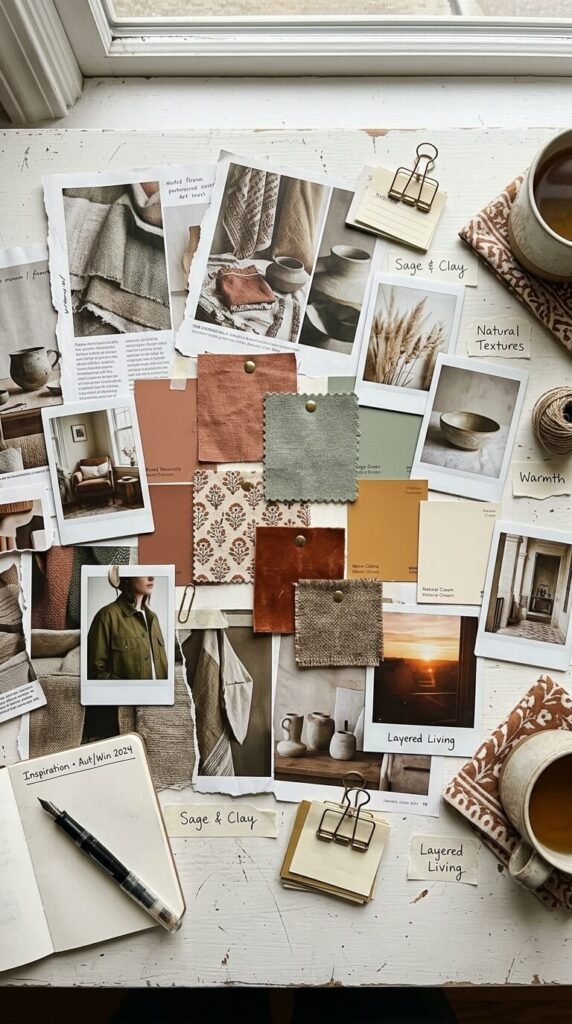
Here’s how to make it work:
- Save images that give you a feeling, not just images of rooms you think look impressive.
- After saving 20–30 images, step back and look at what they have in common — textures, colors, lighting, furniture shapes.
- Pick 3 anchor words that describe the vibe (e.g., “warm, lived-in, artsy” or “clean, airy, natural”).
These words become your filter. When you’re standing in a store and unsure about a lamp, ask yourself: Does this feel warm, lived-in, and artsy? If the answer is no, put it back.
Shop With Intention, Not Just Trends
Trend-driven decor has a shelf life. Personal style doesn’t.
That doesn’t mean you can’t incorporate trends — it means you use them selectively, only when they align with your established anchors. A trendy woven wall hanging might be perfect if texture and warmth are already part of your style language. A sleek chrome shelf? Maybe not so much.
Tips for intentional shopping:
- Give yourself a “48-hour rule” before buying anything above $30. If you still love it two days later, it’s probably right.
- Buy one statement piece at a time and let it settle into your space before adding more.
- Thrift stores and vintage markets are gold mines for pieces with character that won’t be in everyone else’s home.
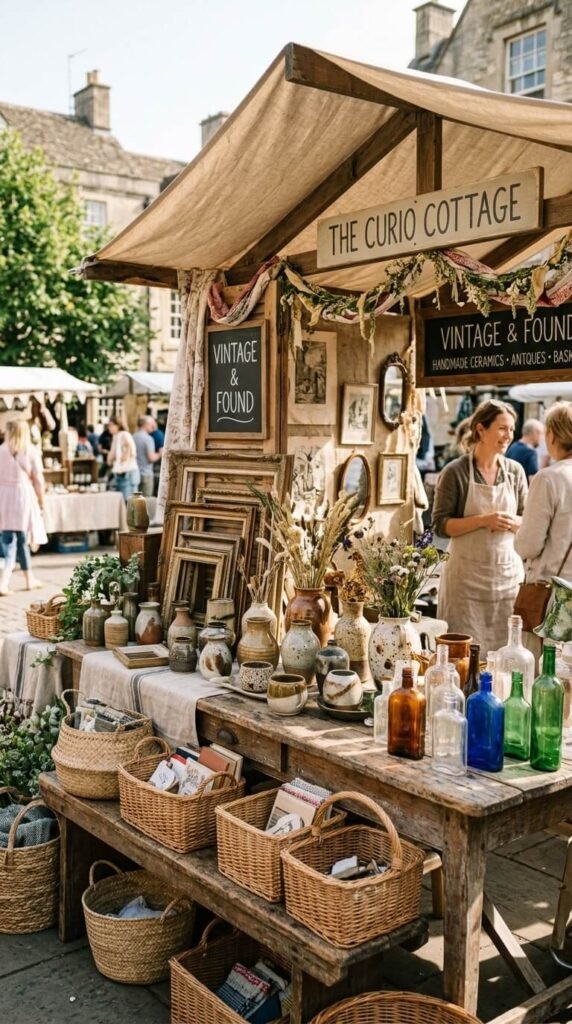
Mix Textures and Layers to Add Depth
Rooms that feel “flat” usually have too much visual sameness — everything is smooth, everything is neutral, everything is the same height. The fix is layering.
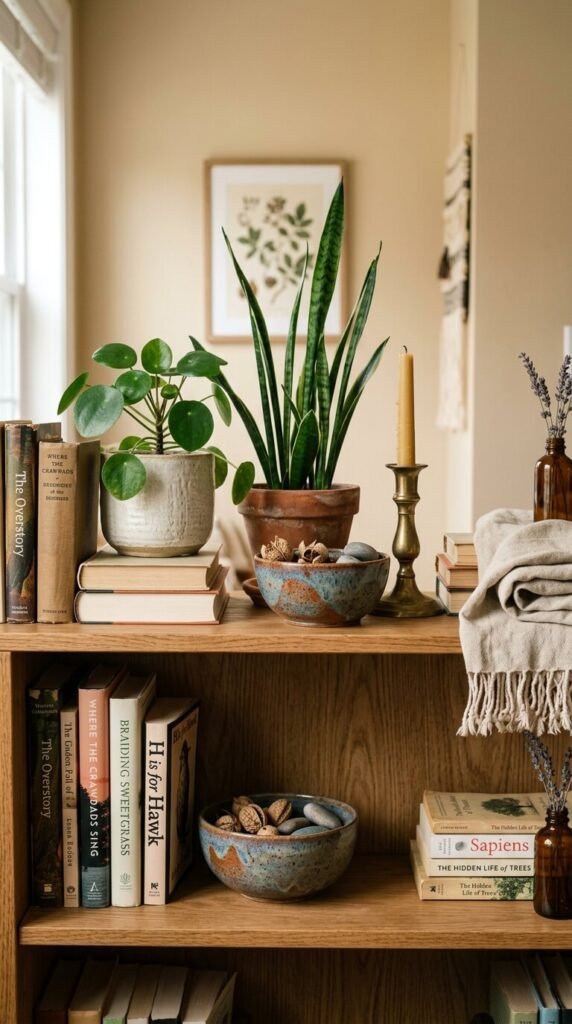
- Pair hard surfaces (wood, metal, stone) with soft ones (linen, cotton, jute).
- Vary the heights of objects on shelves and tabletops.
- Don’t be afraid of pattern — even if your palette is neutral, a textured throw or a subtly patterned rug adds life.
The goal isn’t chaos. It’s richness — the kind of room that rewards a second look.
Trust Yourself Over Trends or Rules
Here’s the most important thing: there are no decorating police. If you love it, it belongs in your home.
Style rules (like “don’t mix metals” or “always have three items per vignette”) are helpful starting points — but they’re not laws. The most beautiful, memorable homes break rules confidently, because every choice was made with intention.
Your personal style isn’t something you find once. It evolves, just like you do. Give yourself permission to experiment, make mistakes, and change your mind.
Ready to make your home actually feel like yours? Save this article, pull out your favorite things, and start there. One intentional piece at a time is all it takes. 🏡