Ever walked into a home that just felt right — where every room flowed seamlessly into the next, like a story told in furniture and light? That’s not an accident. It’s the magic of a consistent design thread, and the good news is you don’t need an interior designer or a six-figure budget to achieve it. You just need a plan.
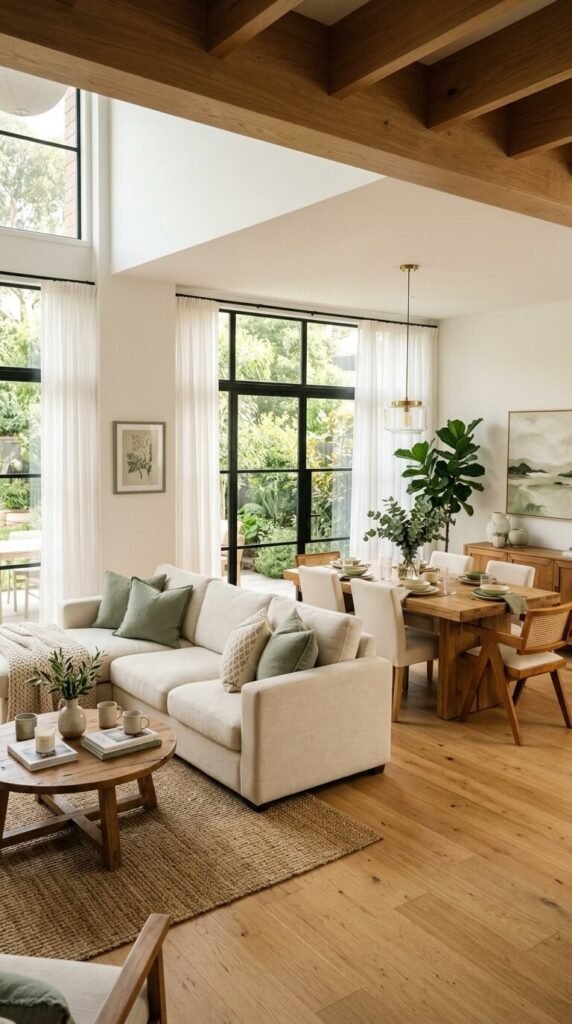
What Is a Design Thread, Exactly?
A design thread is the invisible (or sometimes very visible) throughline that connects every room in your home. Think of it as a quiet agreement between your spaces — a shared language of color, texture, material, or style that whispers, “We belong together.”
It doesn’t mean every room looks identical. It means every room feels related.
Step 1: Choose Your Anchor Elements
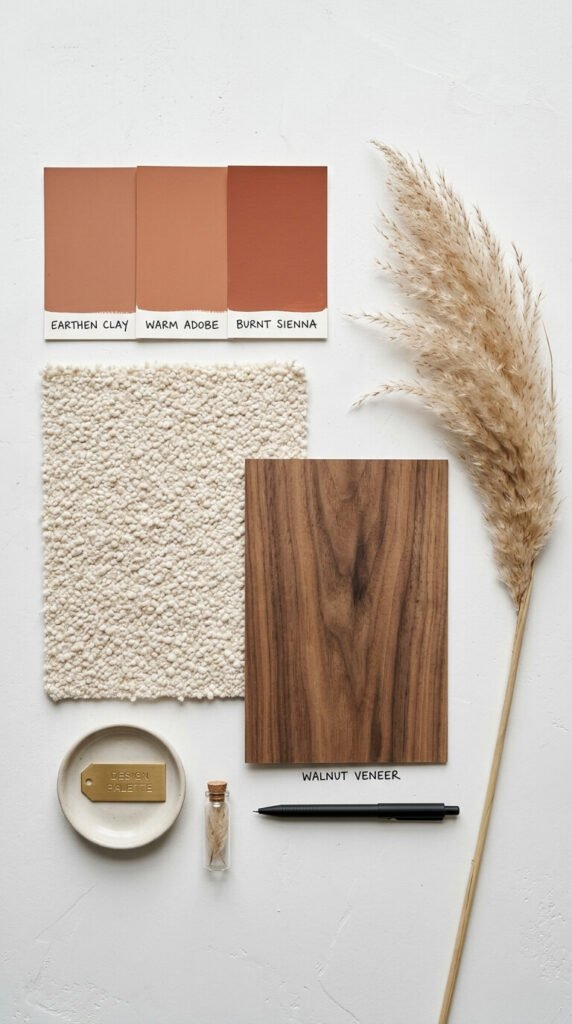
Start by identifying 2–3 anchor elements that will repeat throughout your home. These could be:
- A color palette — not just one color, but a family of 3–5 shades that play well together
- A material — like natural wood, black metal, rattan, or linen
- A style signature — curved furniture, geometric patterns, or vintage-inspired pieces
Keep it simple. The more anchor elements you pick, the harder cohesion becomes to maintain.
Step 2: Repeat, Don’t Match
Here’s the rule that changes everything: repeat elements, don’t match them.
Matching feels stiff. Repeating feels intentional.
- If your living room has a navy throw pillow, bring navy into the bedroom as a vase or a lamp shade — not another pillow in the exact same fabric.
- If your kitchen has open walnut shelving, echo that wood in a console table in the hallway or a picture frame in the bathroom.
- If you love brass hardware in one room, use it in every room — even if it’s just a single towel ring in the powder bath.
Small repetitions add up to big cohesion.
Step 3: Use a Consistent Flooring or Transition Strategy
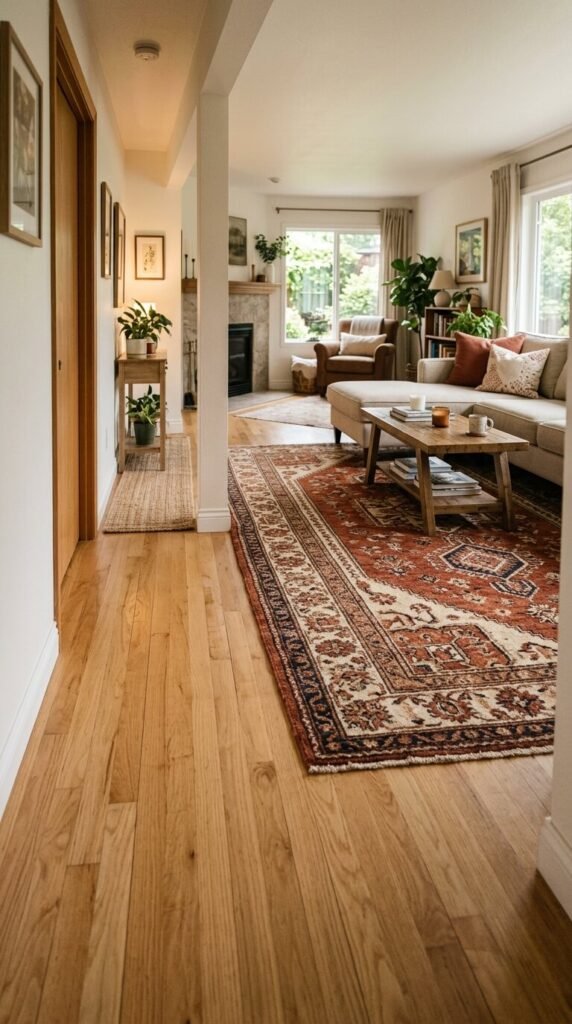
One of the fastest ways to make a home feel disjointed is jarring flooring transitions. You don’t have to have the same flooring throughout, but you do need a strategy.
- Open-plan spaces: Keep the same flooring material across connected areas.
- Room to room: Choose flooring in similar tones or wood species so transitions feel natural.
- Area rugs: Use rugs in your anchor color palette to visually tie rooms back to the same family.
Step 4: Apply the 60-30-10 Color Rule
This classic interior design principle keeps color from feeling chaotic:
- 60% — Your dominant color (walls, large furniture, flooring)
- 30% — A secondary color (upholstery, curtains, cabinetry)
- 10% — An accent color (pillows, artwork, accessories, plants)
Apply this ratio consistently across every room — just swap which shades fill which role depending on the space. The result? Every room feels balanced and related, even if the dominant color shifts slightly.
Step 5: Edit With a Critical Eye
Once you’ve established your design thread, walk through each room and ask:
- Does this piece share at least one element with my anchor materials or palette?
- Does anything here feel like it wandered in from a completely different home?
- Are there at least two or three “echoes” of my design thread visible from where I’m standing?
Anything that doesn’t answer “yes” is worth reconsidering — whether that means repainting it, reupholstering it, or simply moving it to a more fitting space.
The Takeaway
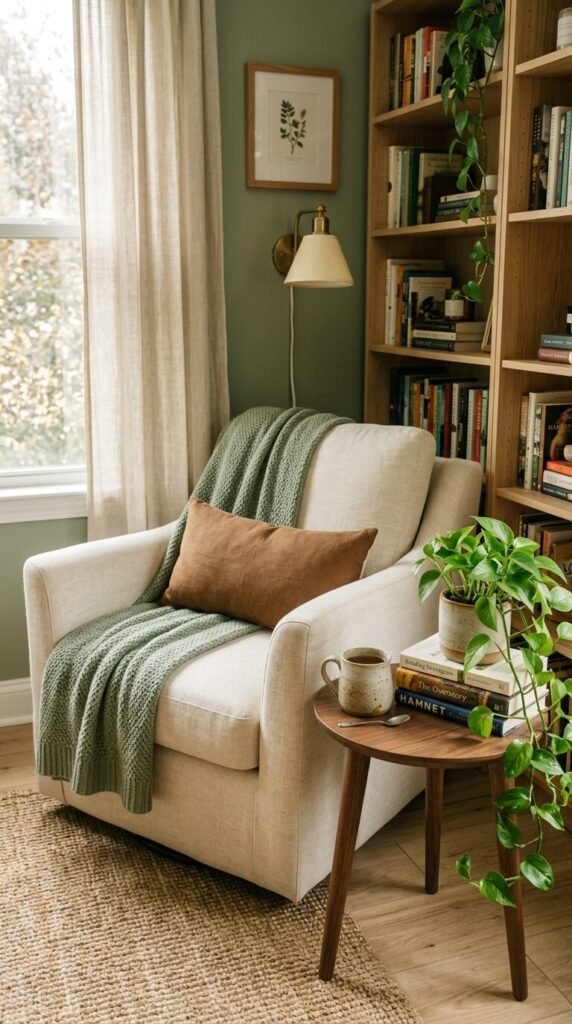
Creating a cohesive home doesn’t require starting over — it requires seeing your space through a new lens. Pick your anchor elements, repeat them with intention, and edit ruthlessly. Over time, even small changes — a new pillow here, a coat of paint there — will start to weave that invisible thread that makes guests say, “I love how your home feels.”
Save this article and pin it for your next room refresh — your most cohesive home is closer than you think!