There’s a reason some rooms stop you in your tracks — they have tension. Not the bad kind, but the delicious visual kind that makes your eye dance from one element to the next. That magic ingredient? Contrast. Whether it’s dark walls against pale furniture, rough textures beside smooth ones, or a single bold piece in a minimal room, contrast is what transforms a “nice” space into an unforgettable one. Ready to add some drama? Here’s exactly how to do it.
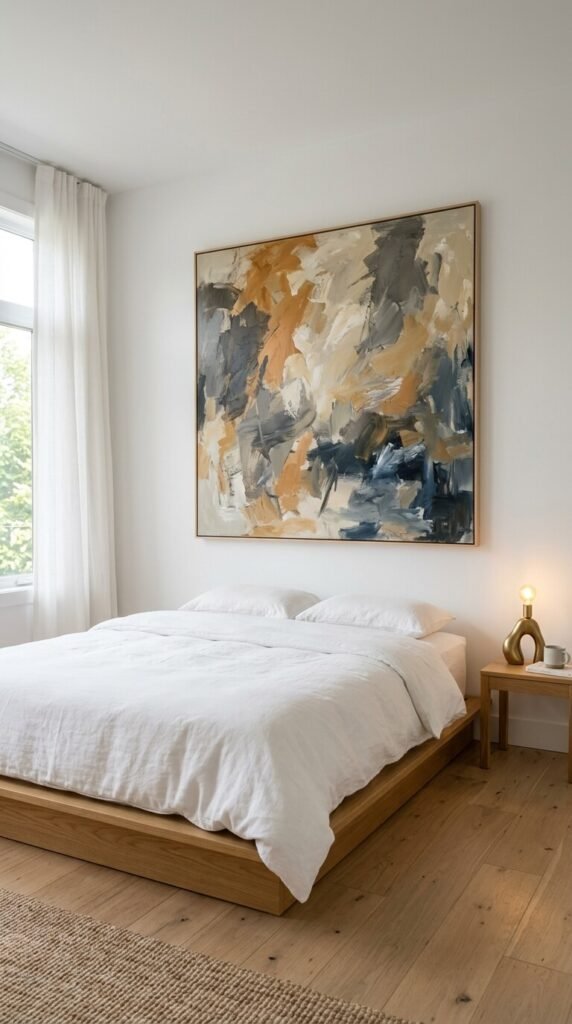
Start with Light and Dark
The most powerful contrast you can introduce is tonal — the push and pull between light and dark.
- Dark walls + light furniture: Think navy, charcoal, forest green, or deep terracotta walls paired with cream, ivory, or natural linen pieces.
- Light walls + dark accents: A white room instantly gains edge with black-framed mirrors, dark wood shelving, or an ebony coffee table.
- Split the room: Use a two-tone approach — lighter on the upper walls, darker on the lower half with a chair rail in between.
You don’t need to go extreme. Even shifting two or three shades deeper on one focal wall creates enough contrast to anchor the entire room.
Play with Texture and Material
Color isn’t the only tool in your contrast kit. Mixing textures adds depth that photos don’t always capture — but people feel when they walk into a room.
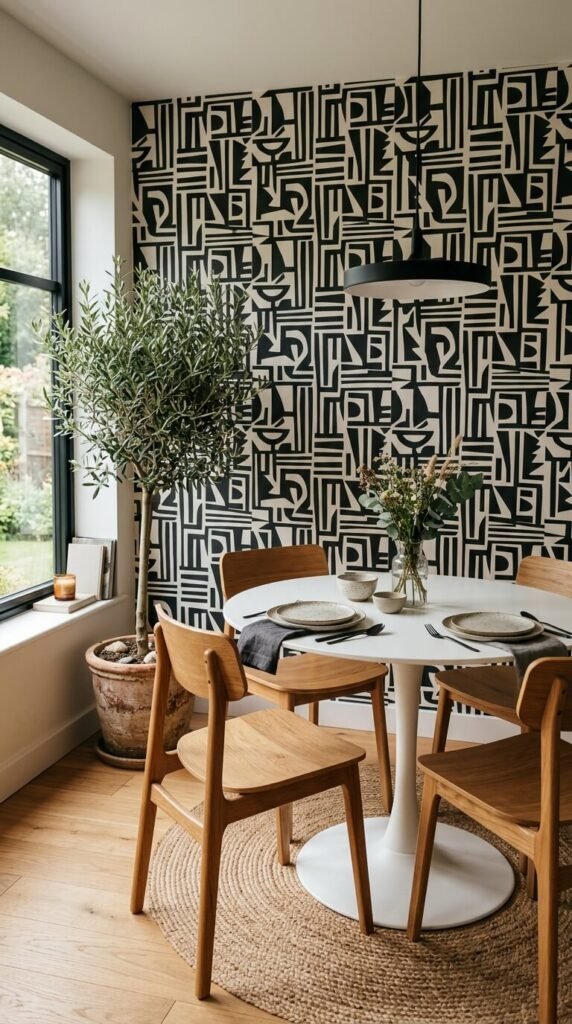
Try pairing:
- Smooth + rough: A polished marble countertop alongside raw brick or a jute rug
- Matte + glossy: Flat-painted walls next to lacquered cabinetry or high-shine tiles
- Soft + hard: Velvet throw pillows against an iron bed frame or a concrete side table
- Natural + industrial: Warm wood tones paired with black metal shelving or steel pipe legs
The key is to never let one material dominate completely. Give each texture room to breathe and a worthy opponent.
Use Scale to Create Visual Surprise
Contrast isn’t just about color or material — it’s also about size. Placing items of dramatically different scales next to each other creates instant visual interest.
- Lean a large oversized mirror against a wall beside a small stack of books
- Hang one massive piece of art instead of several small ones
- Use a petite accent chair next to an oversized sofa
- Place a tall, dramatic floor lamp beside a low-slung daybed
This kind of scale contrast keeps the eye moving and prevents a room from feeling too “matchy-matchy.”
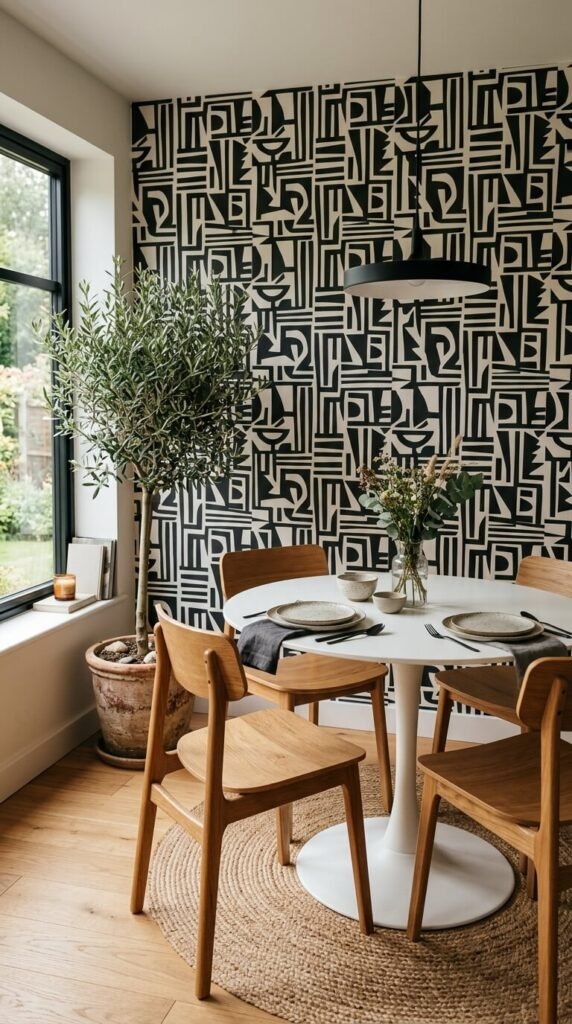
Introduce a Statement Piece
Every room benefits from one element that refuses to blend in. This is your statement piece — the thing that creates contrast simply by existing in the space.
Ideas for bold statement pieces:
- A jewel-toned velvet sofa in a neutral room
- A patterned vintage rug on bare hardwood floors
- An antique or ornate mirror in a sleek, modern space
- A single brightly-colored chair in an otherwise monochrome room
The trick is restraint. Let that one piece do the talking. Surround it with quieter elements so the contrast reads loud and clear.
Don’t Forget Contrast in Pattern
Patterns can contrast with each other — and with solid, plain surfaces.
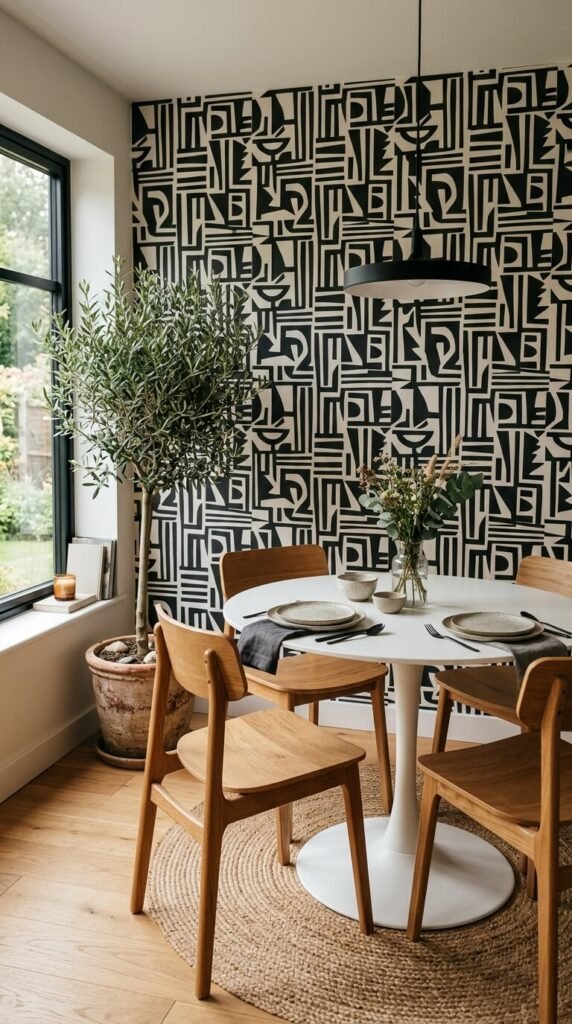
- Pair a geometric print with an organic, irregular one (like a marble or watercolor pattern)
- Use a patterned accent wall against plain, solid furniture
- Layer a striped throw over a solid sofa, then add a floral pillow — the variety creates richness without chaos
The golden rule: vary the scale of patterns. A large bold print + a small delicate one = harmony. Two large bold prints = chaos.
Bring It All Together
Great contrast isn’t about making things clash — it’s about making things converse. Light talks to dark. Rough answers smooth. Bold quiets itself against minimal. When your room has contrast, it has life.
Start with one change — a dark accent wall, a statement piece, or a textured throw — and see how the energy in your space shifts. You’ll be hooked.
Save this article and pin it for your next room refresh — because the most beautiful spaces are never one-note. 🖤🤍