You’ve probably heard it a hundred times: “Don’t mix metals.” But here’s the truth — that rule is outdated. The most stunning, designer-approved interiors today do the exact opposite. They layer gold, silver, bronze, and black metal together in ways that feel intentional, warm, and utterly chic. The trick? It’s not about avoiding the mix — it’s about mastering it.
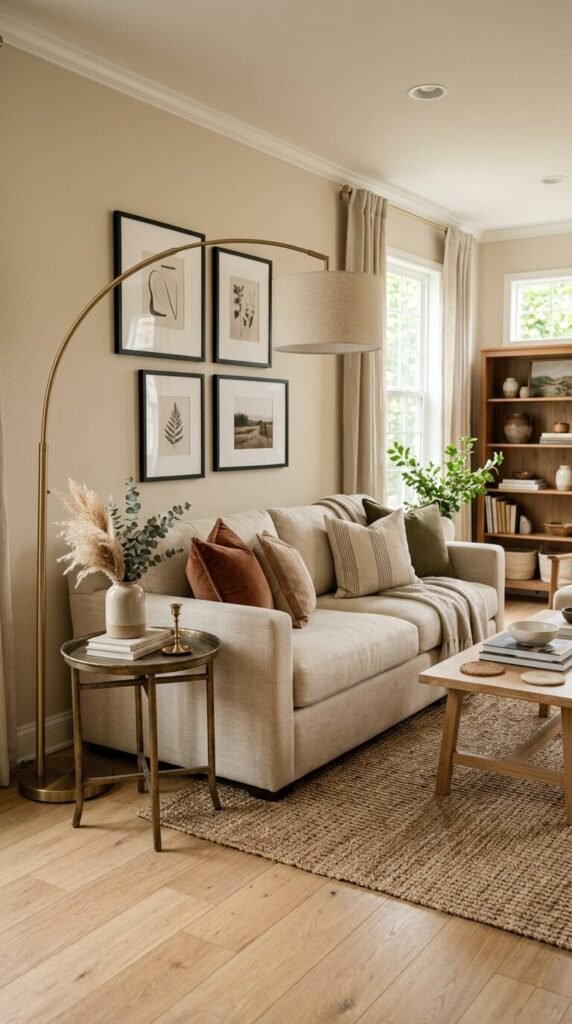
Ready to stop playing it safe and start designing like a pro? Here’s everything you need to know.
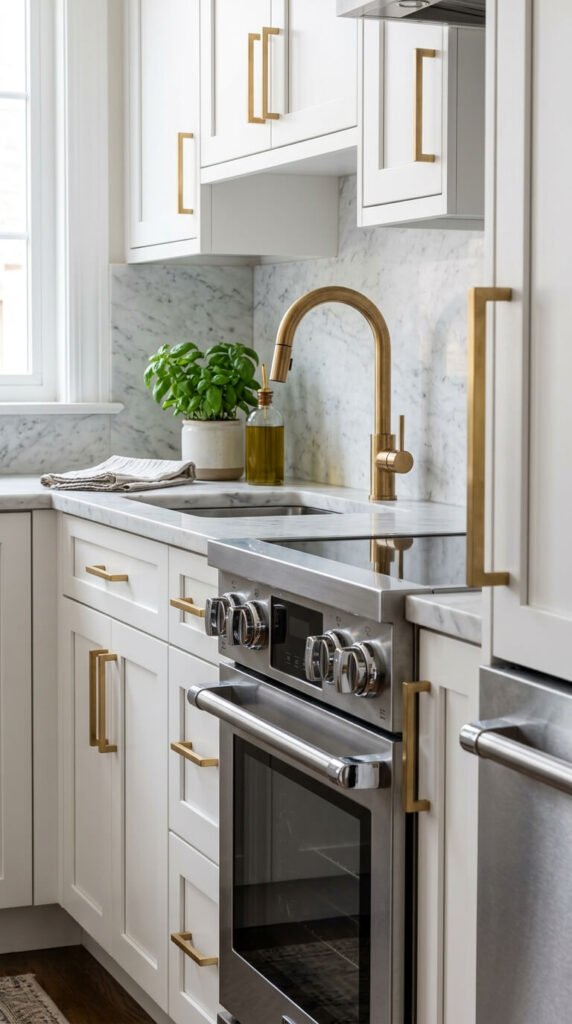
Start With One Dominant Metal
Think of your metals like a color palette. Every great palette has a lead — and your metals need one too.
- Choose one metal to dominate (about 60% of your metal accents).
- This becomes your anchor: faucets, cabinet hardware, light fixtures.
- Popular dominant choices: brushed brass, matte black, or polished nickel.
Your dominant metal sets the mood. Brass reads warm and luxurious. Matte black feels modern and grounded. Polished nickel stays timeless and cool.
Add a Secondary Metal for Depth
Once your dominant metal is locked in, bring in a secondary metal for contrast and visual interest — aim for about 30% of your accents.
The key rule here: contrast the finish, not just the color.
- Pair warm with cool: brushed gold + polished chrome
- Pair matte with shiny: matte black + antique brass
- Pair smooth with textured: polished nickel + hammered bronze
This contrast is what makes a space look layered and intentional rather than accidental.
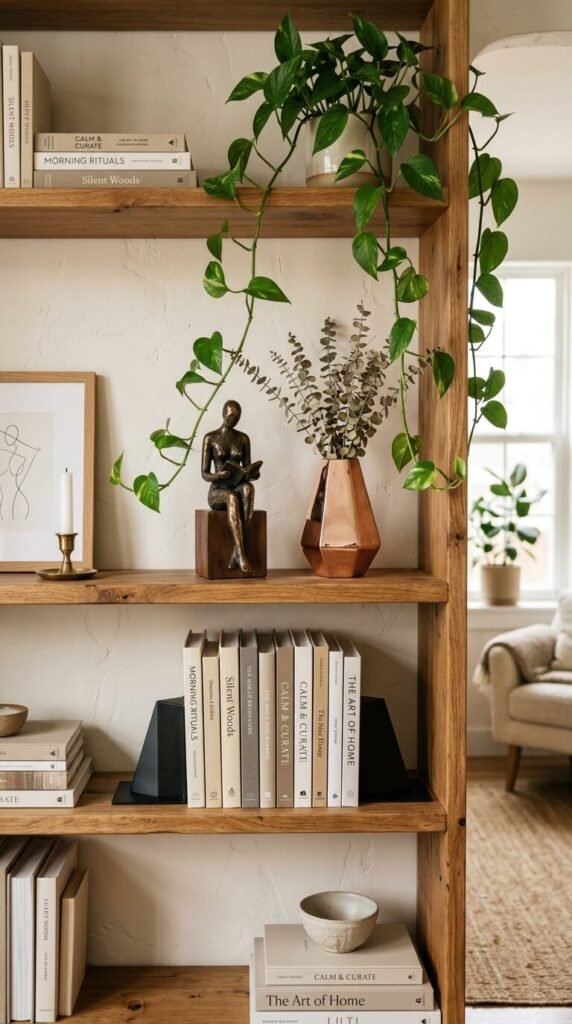
Use a Third Metal as an Accent (Optional but Powerful)
This is your secret weapon. A third metal, used sparingly — maybe 10% — adds depth that interior designers swear by.
Think:
- A single antique brass tray on a coffee table
- One rose gold candle holder on a shelf
- A small bronze sculpture on a bookcase
The accent metal ties everything together and gives your eye somewhere interesting to travel. Don’t overdo it — less is genuinely more here.
Respect Undertones Like You Would Paint Colors
Here’s the part most people skip — and it’s what separates a cohesive mix from a clashing one.
Metals have undertones, just like paint:
- Warm undertones: gold, brass, copper, rose gold, bronze
- Cool undertones: silver, chrome, polished nickel, gunmetal
The golden rule: mix within a temperature family first. Warm metals naturally harmonize. Cool metals do too. Once you’re comfortable, you can cross the line — but let one temperature dominate.
For example: brass (warm) + bronze (warm) + a touch of polished chrome (cool) = effortlessly sophisticated.
Let Finish Do the Heavy Lifting
Color isn’t the only thing that matters — finish is equally powerful.
| Finish Type | Vibe |
|---|---|
| Polished | Glamorous, formal, high-shine |
| Brushed / Satin | Modern, soft, approachable |
| Matte | Industrial, grounded, minimal |
| Antique / Patina | Warm, storied, collected-over-time |
Mixing finishes within the same metal color (like brushed gold + polished gold) is one of the most elevated tricks in the designer playbook. It adds dimension without any risk of clashing.
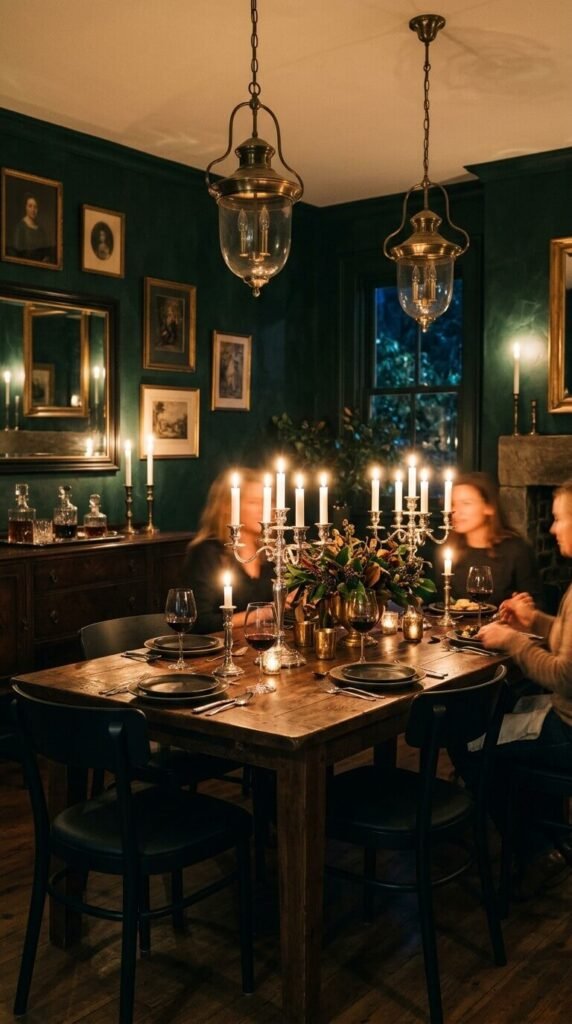
Ground Everything With the Right Backdrop
Metals don’t live in isolation — they respond to the surfaces around them.
- Warm neutrals (cream, sand, terracotta) amplify warm metals beautifully.
- Cool neutrals (white, grey, slate) let cool metals shine.
- Dark backgrounds (navy, charcoal, deep green) make any metal pop dramatically.
The Takeaway
Mixing metals isn’t breaking the rules — it is the rule now. The designers doing it best follow a simple formula: one dominant metal, one complementary secondary, and an optional accent. Respect undertones, play with finishes, and let your backdrop do the rest.
Your home doesn’t have to commit to just one metal. Neither do you.
Save this article and pin it for your next room refresh — your future self will thank you! ✨