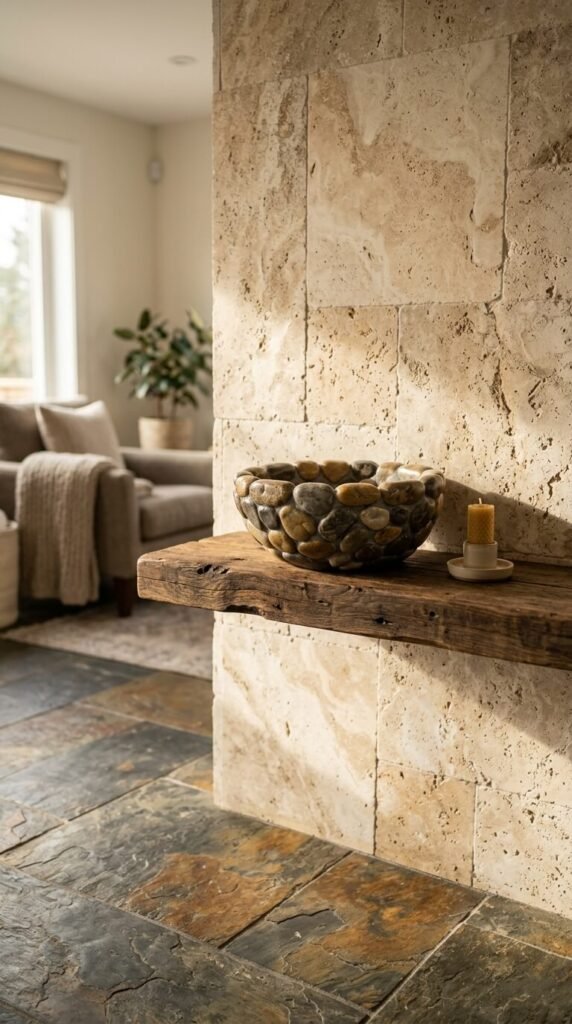
Natural stone has a way of making a room feel like it was always meant to be there. It carries weight — literally and visually. Whether you live in a modern apartment or a rustic farmhouse, stone accents pull the whole space toward something real, something grounded. You don’t need a full renovation to feel that shift. A single slab, a handful of pebbles, or a rough-edged bowl can do the work. This guide walks you through 24 ways to bring stone into your home — affordably, practically, and beautifully.
1. River Stone Vase Fillers
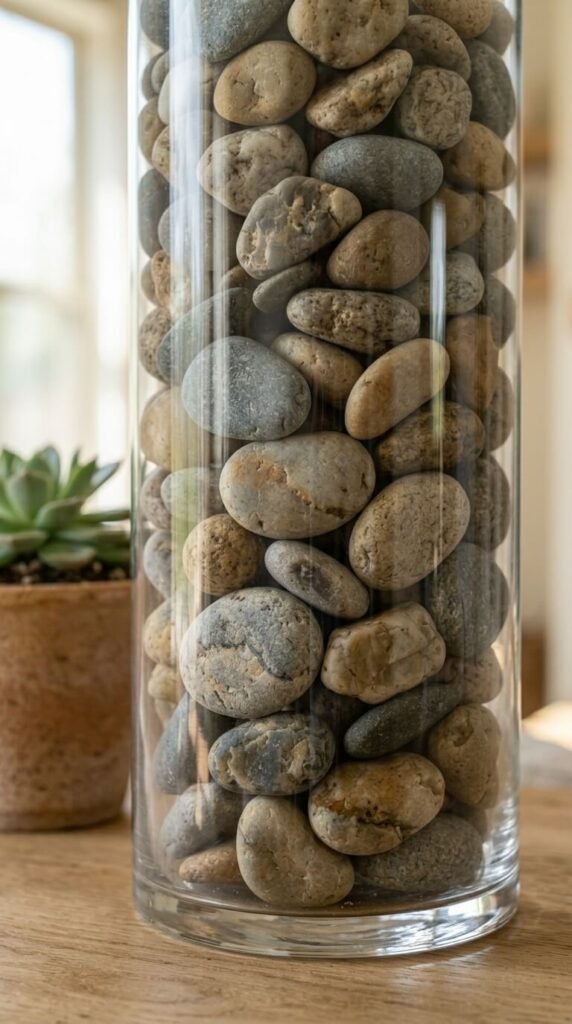
River stones are the easiest entry point. Grab a bag from any garden center or dollar store. Fill a glass vase, a bowl, or a mason jar. Stack them on a shelf or use them as a candle base. The smooth, worn surface catches light in a quiet, satisfying way. They work in every room — bathroom, kitchen, living room. A three-pound bag costs around $4. Mix sizes for more visual interest. Change them out seasonally or just leave them forever. No glue, no tools, no commitment.
2. Slate Coaster Sets
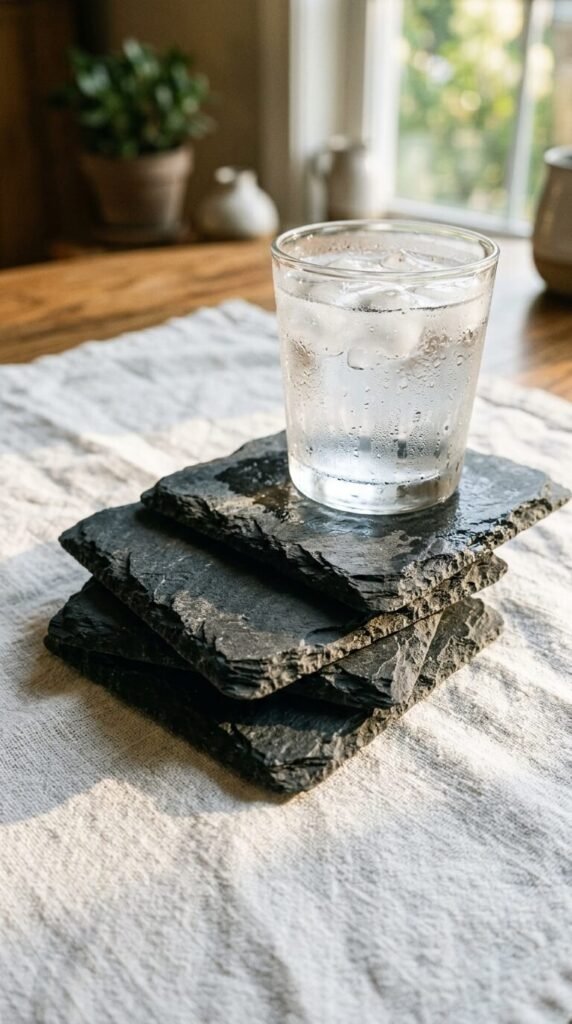
Slate coasters are both functional and quietly stylish. The dark, matte surface absorbs moisture and protects furniture. You can buy a set of four for under $15, or cut your own from slate tiles available at hardware stores. Personalize them with chalk markers — the writing wipes right off. Place them on a coffee table, a nightstand, or a bar cart. They stack neatly and never look cluttered. A small detail that makes a room feel curated without trying too hard.
3. Stone Fruit Bowl as a Centerpiece
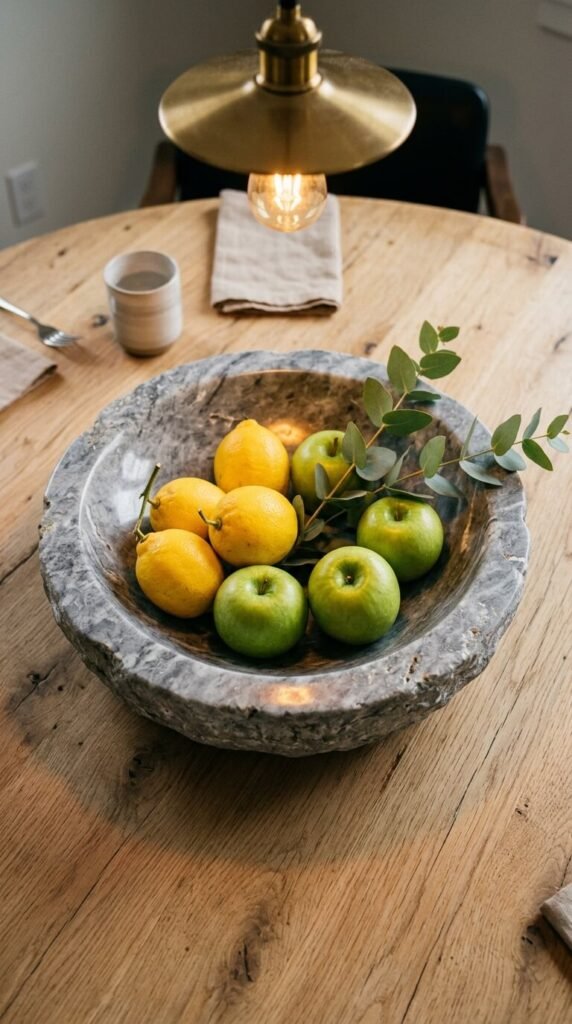
A stone fruit bowl earns its place on any table. The weight of it feels intentional. Marble, granite, and soapstone are all common options at home goods stores and thrift shops. Look for secondhand pieces — stone doesn’t wear out. Fill it with whatever’s in season: citrus, apples, or even just decorative gourds. When it’s empty, it still looks good. A simple slab of stone functioning as a tray works the same way. The payoff is high for the effort.
4. Pebble Shower Floor Tiles
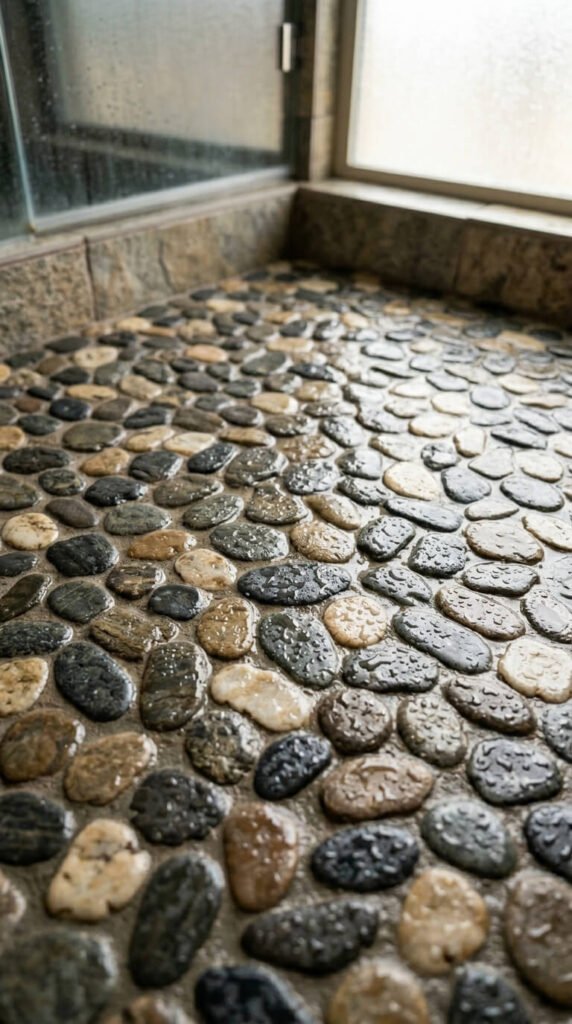
Pebble tile sheets come pre-mounted on mesh backing. You install them like any standard tile — no special skills needed. A 12×12 sheet costs around $8–$15. Covering a shower floor can run $60–$120 in materials. The texture underfoot feels like a spa. It also improves grip, which is a practical bonus. Choose a natural stone sealer to protect the surface after grouting. This is one of the most affordable bathroom upgrades that looks like it cost ten times more.
5. Limestone Bookends
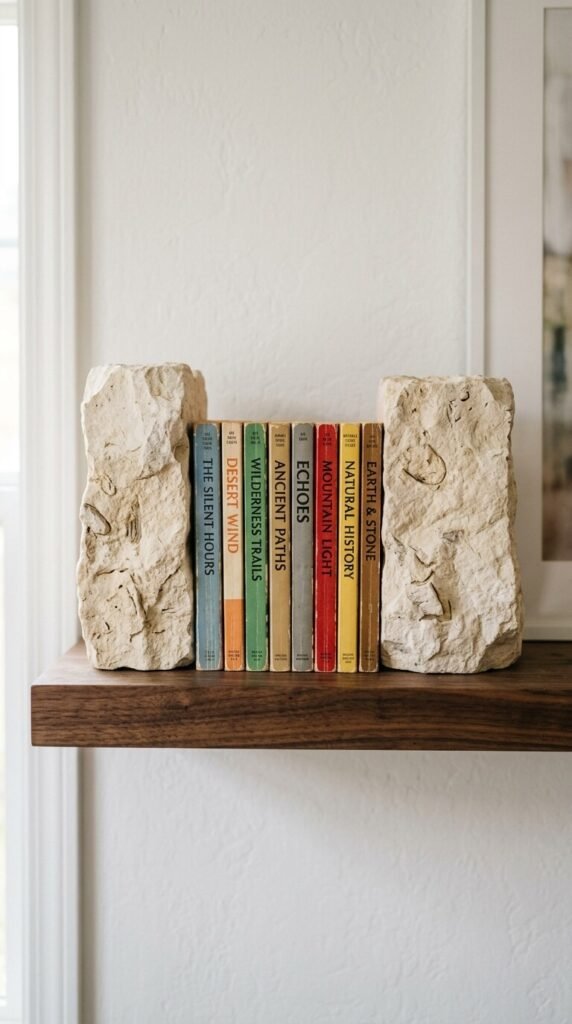
Raw limestone blocks make striking bookends. Look for them at landscape supply yards — they’re meant for gardens but work beautifully indoors. A pair of medium-sized chunks costs $5–$15. The irregular edges and cream-colored surface read as artistic rather than rough. Use them on bookshelves, desks, or mantels. They hold their weight (literally) and never tip over. Sand the bottom slightly with 120-grit sandpaper to avoid scratching shelves. A small DIY step with a big visual result.
6. Granite Kitchen Island Off-cuts
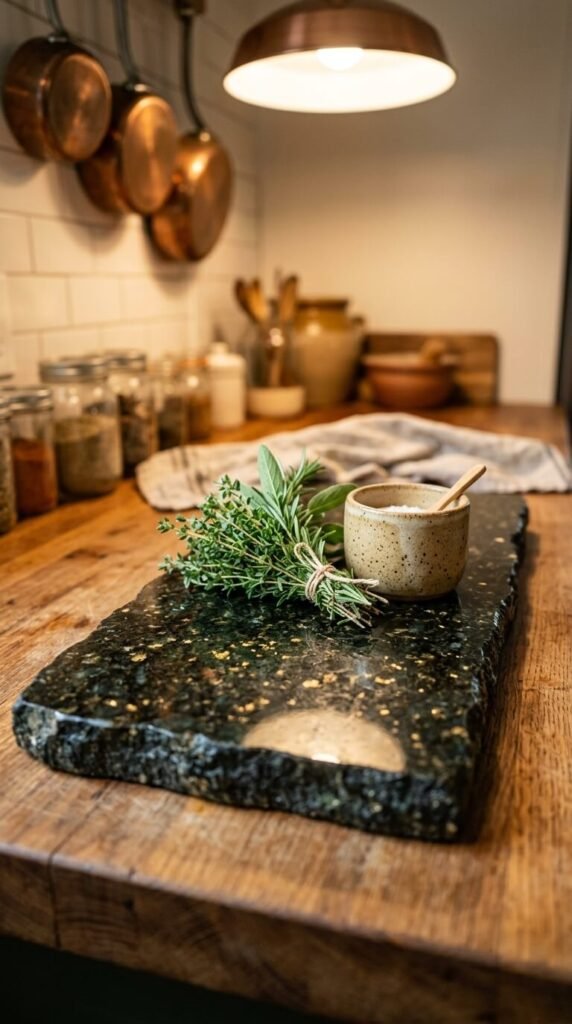
Granite fabricators always have off-cuts and remnants. Ask any local countertop shop — many give them away or sell cheaply. A polished piece works as a pastry board, a trivet, or a decorative slab on the counter. Edge-finished remnants can sit as cutting boards. Prices range from free to $30. The look is high-end. The cost is not. It’s one of the smartest ways to bring stone into a kitchen without touching the counters at all.
7. Stone Soap Dishes in the Bathroom
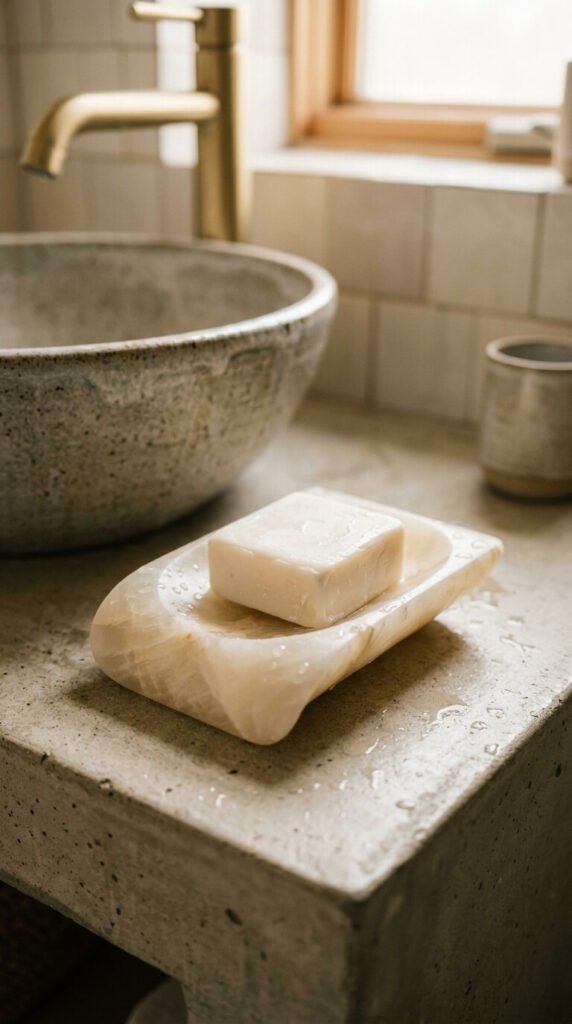
A stone soap dish costs $8–$25 and changes the whole feel of a bathroom sink. Alabaster, travertine, and marble are the most common options. The natural variation in the stone makes each one unique. They drain water slowly, so make sure yours has a slight drainage groove or sits on a small rubber ring. This is a gift-worthy item that people notice immediately. It pairs well with stone or ceramic accessories. Small in size, large in impact.
8. Exposed Stone Fireplace Surround
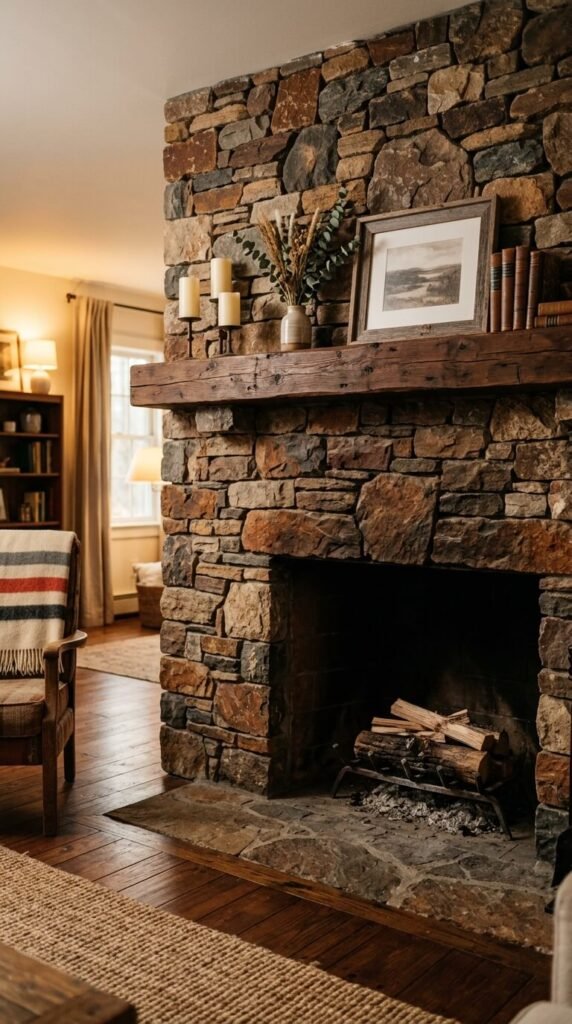
If you have a fireplace, stone is its natural partner. Dry-stack stone veneer panels are the DIY-friendly solution. They’re lightweight, pre-cut, and install with mortar or construction adhesive. A 10-square-foot project costs $150–$400 in materials. No masonry experience required. Choose fieldstone for a rugged look, or travertine for something more refined. The fireplace becomes the undeniable focal point of the room. It’s a weekend project with permanent results.
9. Pea Gravel in Planters
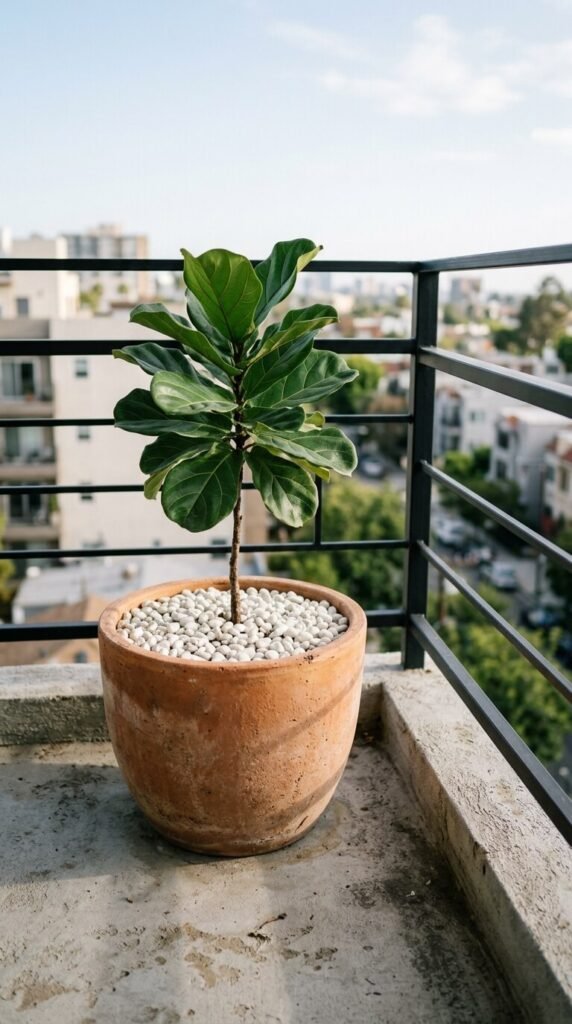
Topping indoor planters with pea gravel or decorative stone mulch does two things: it looks polished and it slows moisture evaporation. A 5-pound bag of pea gravel costs $4–$8. Spread a half-inch layer over potting soil. It keeps soil from splashing onto leaves, makes the pot look intentional, and acts as a light decorative layer. Works in ceramic, terracotta, or concrete pots. It’s a two-minute update that makes your plant display look styled.
10. Travertine Side Table
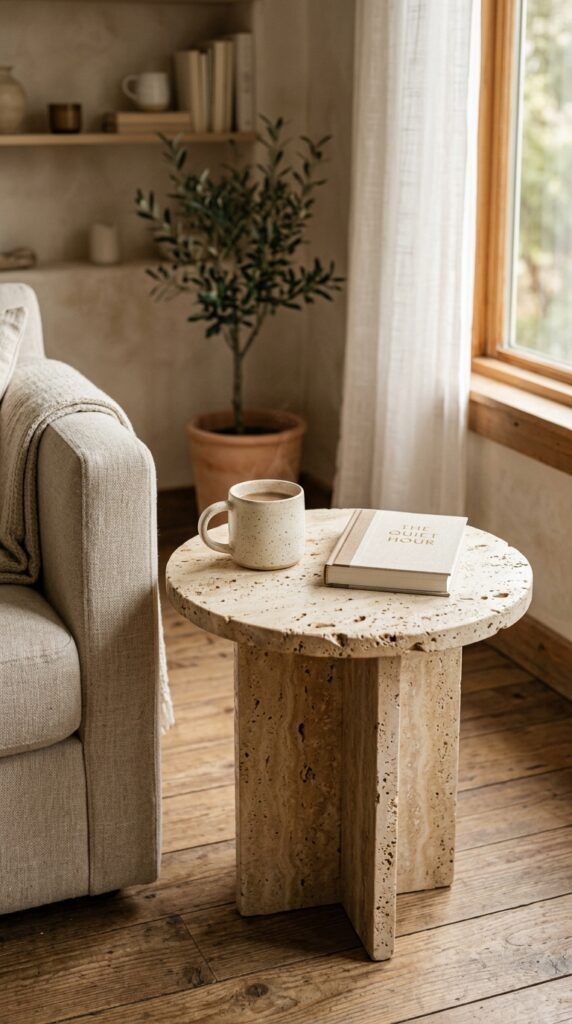
Travertine side tables are having a long moment — and for good reason. The naturally pitted surface has visual texture without effort. New ones range from $80–$300, but thrift stores and Facebook Marketplace often have them for $20–$60. The unfilled, honed version looks the most organic. Use it as a bedside table, a plant stand, or a living room accent. It pairs with almost any other material: linen, wood, rattan, or metal. Stone that does double duty as furniture is always worth it.
11. Marble Contact Paper on Shelves
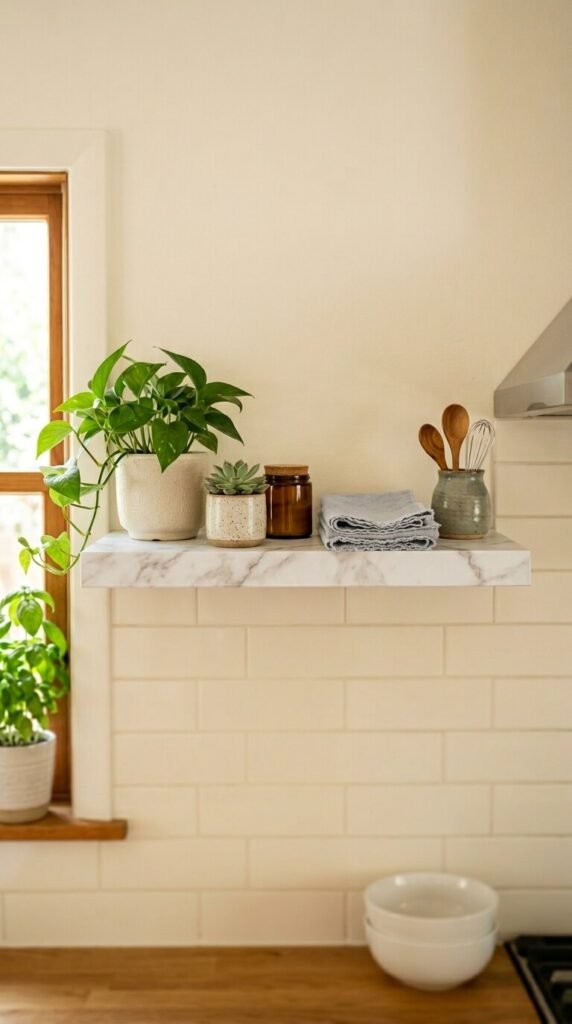
Real marble is expensive. Marble contact paper costs $12–$20 for a roll. Apply it to shelf surfaces, drawer fronts, or even a small side table. Use a credit card to smooth out bubbles. It peels off without damage if applied to clean surfaces. The visual effect is convincing from a normal distance. This is a renter-friendly trick that delivers stone energy without the permanence. Pair with real stone accents elsewhere so the room feels grounded and intentional.
12. Sandstone Garden Stepping Stones
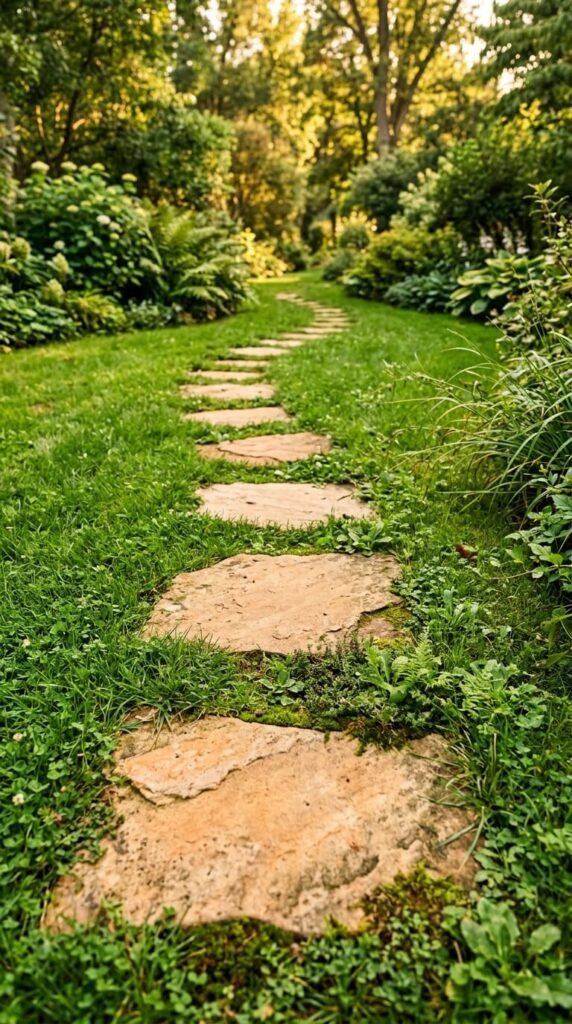
Sandstone stepping stones are one of the best outdoor stone investments. They’re soft-looking, warm-toned, and develop a beautiful patina over time. A 12×12 inch piece costs $3–$8 at garden centers. Set them in a lawn, mulch bed, or gravel garden path. No mortar required — just press them into soil. Over time, moss fills the edges naturally. That’s not a problem; that’s the goal. Earthy and lived-in is the whole point.
13. Stacked Stone Garden Wall
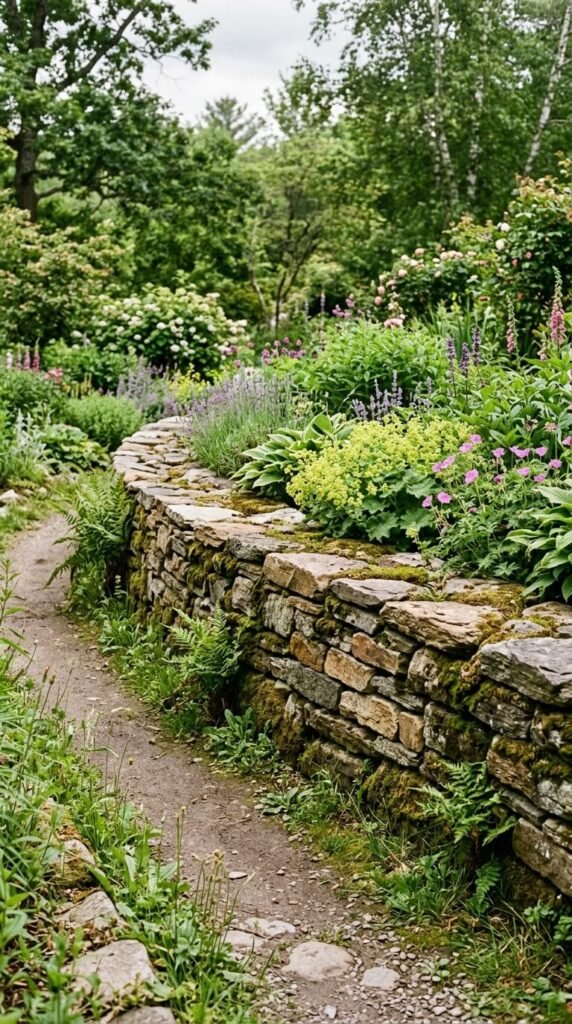
A dry-stacked stone wall requires no mortar and no special skills. Flat fieldstones stack naturally when sorted by size. Collect them from a local landscape supplier, a farm, or even a cleared lot (with permission). Use large stones at the base, smaller ones at the top. Build low — 12 to 18 inches is manageable as a first project. It works as a garden border, a raised bed wall, or just a decorative boundary. The imperfect look is the appeal.
14. Raw Crystal Display Clusters
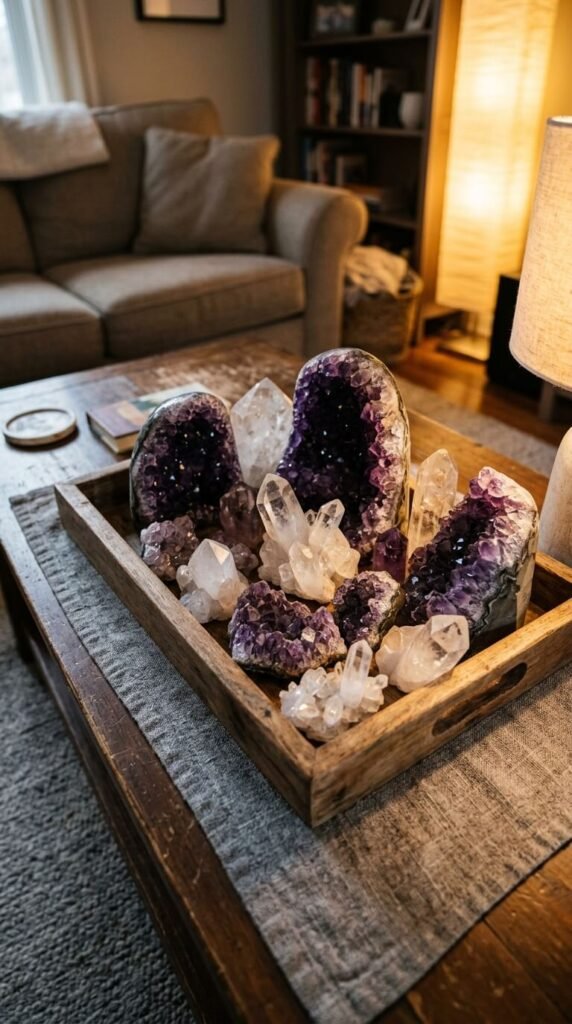
Raw crystals are a form of natural stone with serious visual drama. Amethyst clusters, quartz points, and rose quartz chunks all work well as display pieces. A medium amethyst cluster costs $15–$40 at a gem shop or online. Display them on a tray, a book, or a wooden pedestal. They don’t need to be arranged — just placed. Their color and texture do the work. Mix one large statement piece with smaller supporting stones for a collected, natural look.
15. Slate Chalkboard Wall Panel
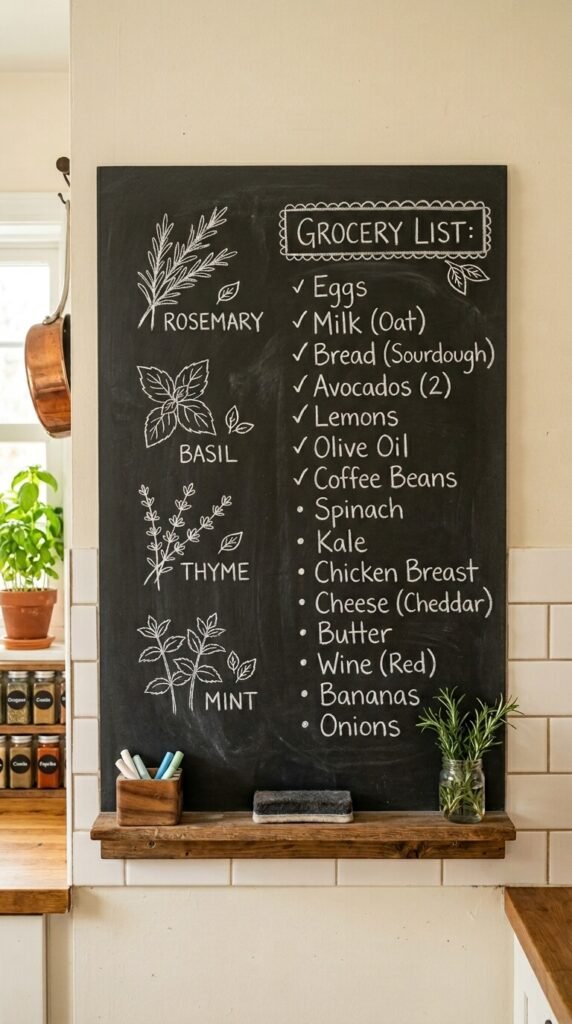
True slate serves as a natural chalkboard. Buy a large slate tile from a flooring store and mount it on a wall. Sizes range from 12×24 to 24×48 inches. Cost: $20–$60. Slate writes and erases cleanly. You get both the stone aesthetic and a functional surface. Use it in a kitchen for notes and grocery lists, or in a child’s room as a play surface. The dark, matte stone blends into the wall rather than standing out like a framed board.
16. Concrete and Stone Candle Holders
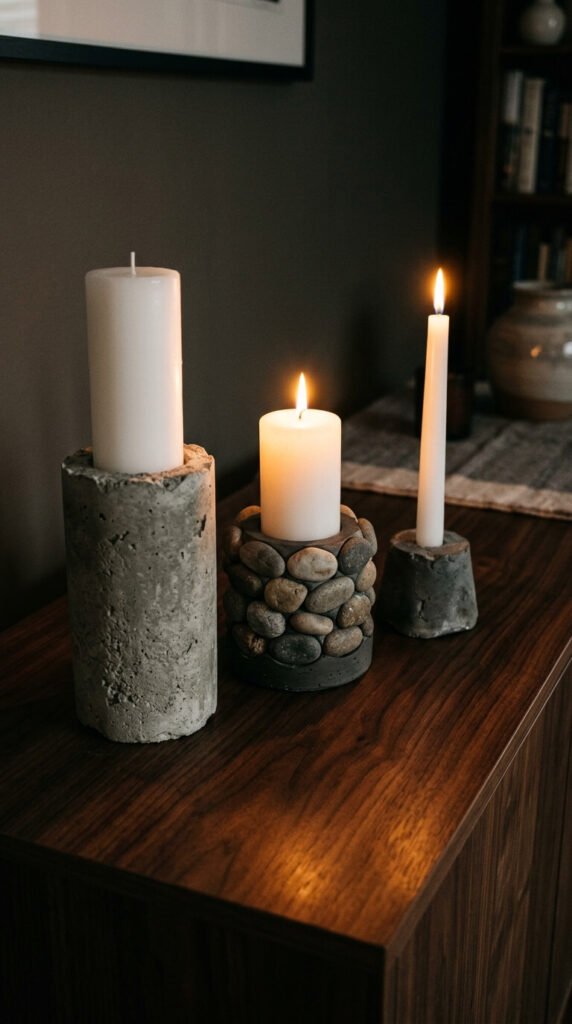
Concrete candle holders with embedded stones are a simple DIY. Mix quick-set concrete, pour into paper cups, press small stones into the surface. Once cured, peel the cup away. The result looks like something from a boutique for a fraction of the cost. Or buy pre-made stone candle holders for $10–$30 each. Group three different heights together for a layered, organic look. The weight of stone keeps candles stable and the natural texture plays beautifully with candlelight.
17. Marble Rolling Pin as Décor
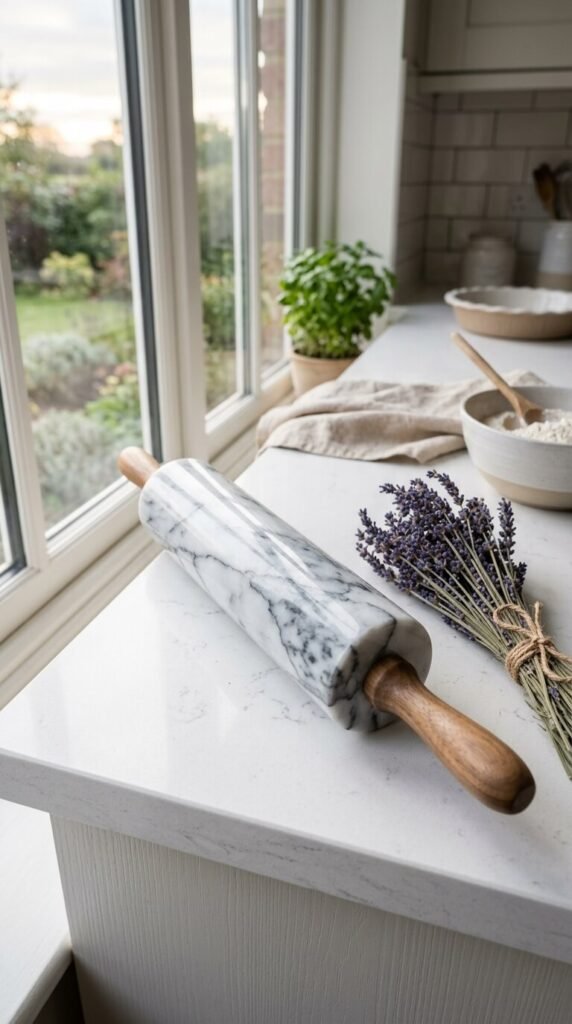
A marble rolling pin is both a kitchen tool and an object worth displaying. Leave it on the counter rather than hiding it in a drawer. The grey-veined marble reads as intentional décor. It costs $20–$50 at kitchen stores. Rest it on a small wooden rack or diagonally across a tray. It signals that cooking happens here — which adds personality to any kitchen. Practical, beautiful, and genuinely useful. That’s a trifecta worth celebrating.
18. Stone Mulch in Bathroom Vignettes
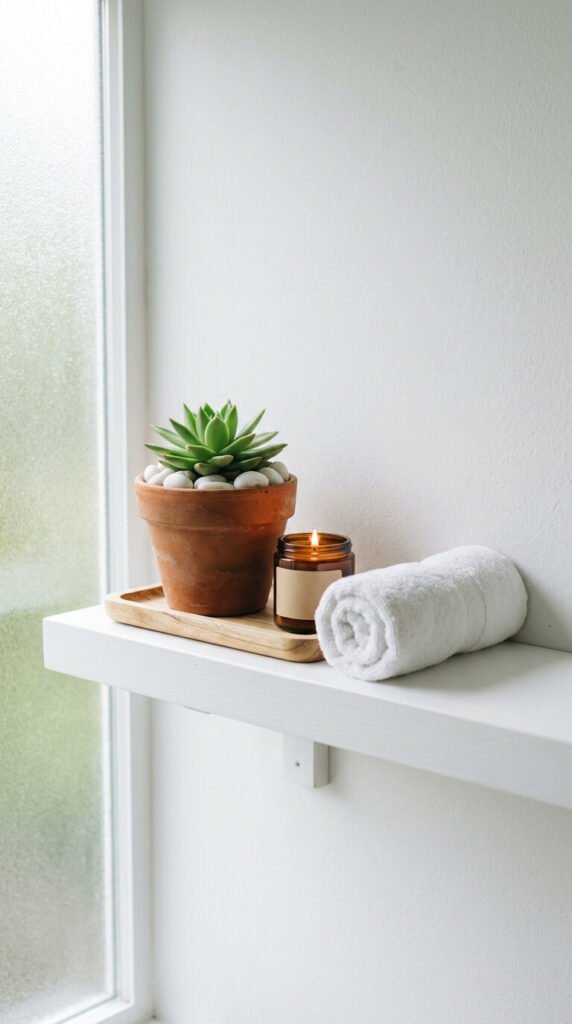
Use polished white pebbles or river stones to style small bathroom trays. Place them around candles, beside soap dispensers, or beneath small plants. A pound of polished white stones costs $3–$6. They add weight and texture to a surface that might otherwise look sparse. They also work as a practical base — place a candle on a handful of stones inside a tray for a safe, styled look. The bathroom is a room where stone feels completely at home.
19. Fieldstone Entryway Accent Wall
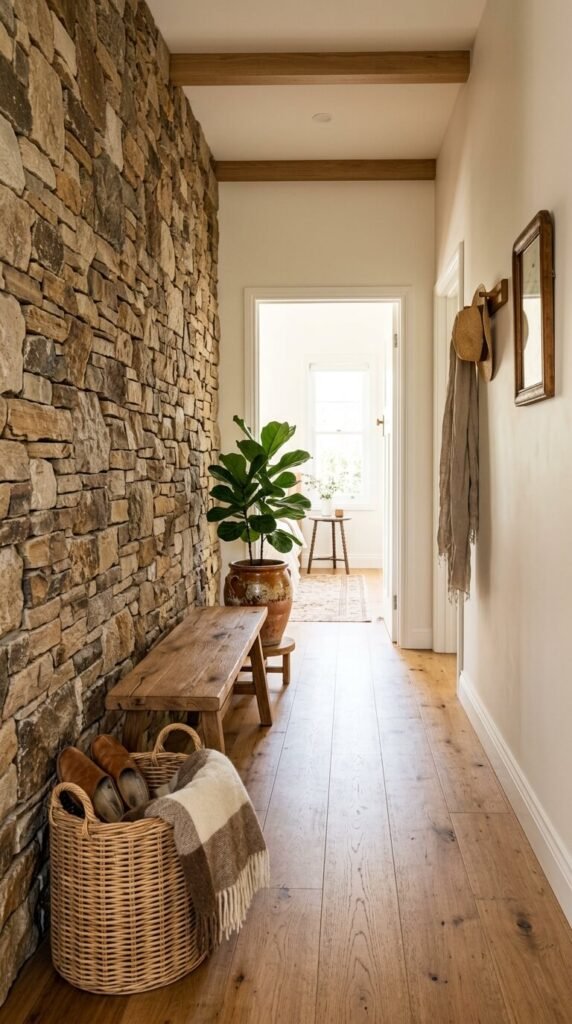
A stone accent wall at the entry sets the tone for the whole home. Faux stone panels are a realistic, lightweight alternative to real masonry. They install with construction adhesive and basic tools. A 40-square-foot wall costs $200–$500 in materials. Choose fieldstone or stacked ledger panels for the most natural look. Pair with a simple wooden bench and a plant. The result is dramatic, grounding, and welcoming all at once.
20. Quartz Pebble Tabletop Tray
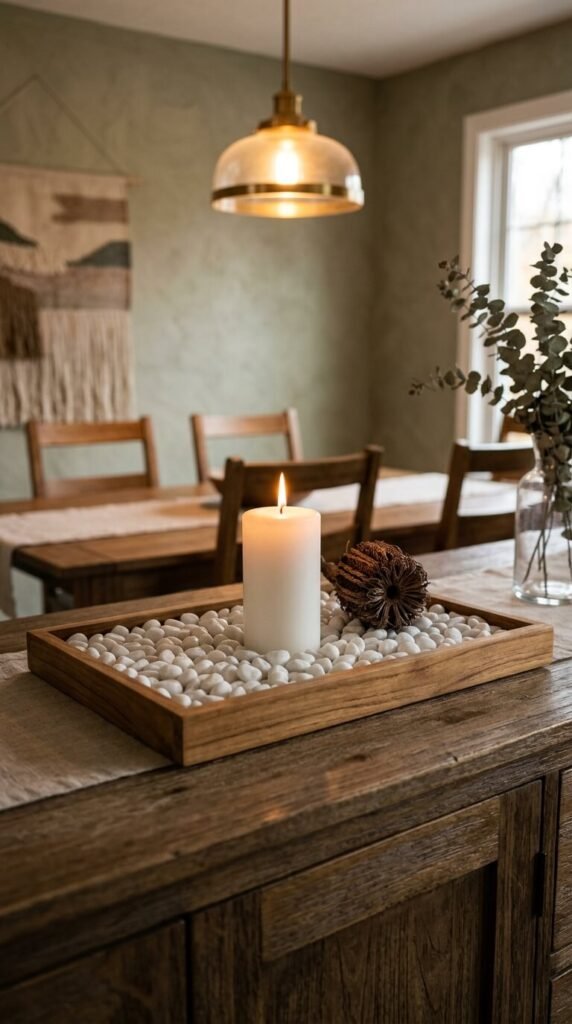
A tray filled with white quartz pebbles is a fast styling move. Use it as a base for candles, objects, or plants on any flat surface. The pebbles act as negative space — they make whatever sits on top look more deliberate. A three-pound bag costs $5–$8. Use a shallow tray, a wooden board, or even a baking dish as the container. Swap out the objects on top seasonally. The pebbles stay. This is the kind of setup that looks like it took effort when it took five minutes.
21. Stone-Look Concrete Planter DIY
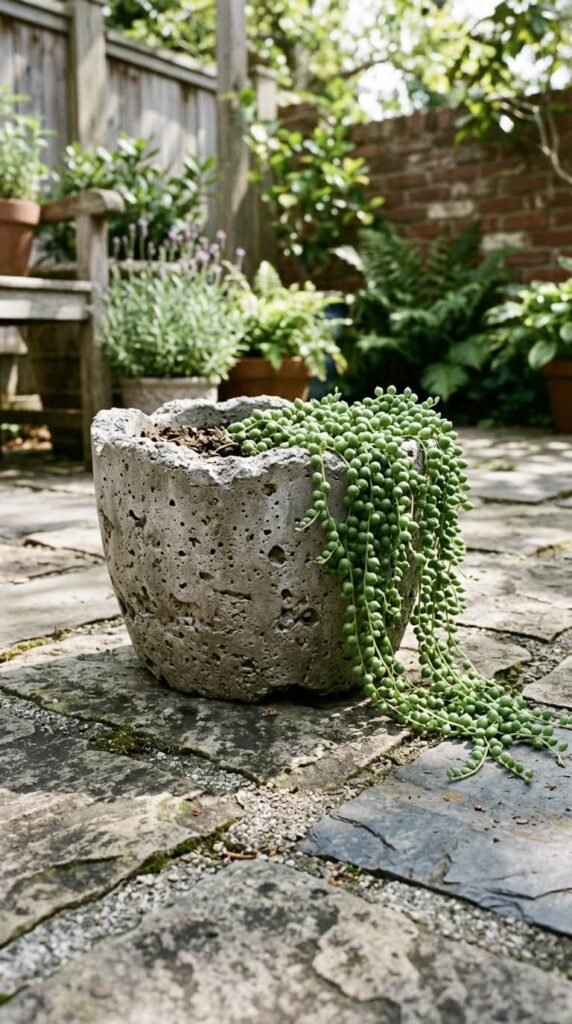
Hypertufa planters mimic stone at a fraction of the cost. Mix portland cement, perlite, and peat moss with water. Form around a mold — a bucket, a cardboard box, or a bowl. Let it cure for 48 hours. The result looks like aged stone and weighs much less. Cost per planter: $3–$8. They’re frost-resistant and age beautifully outdoors. This is a satisfying weekend project that produces something genuinely useful and good-looking for years.
22. Marble Bathroom Tray for Vanity
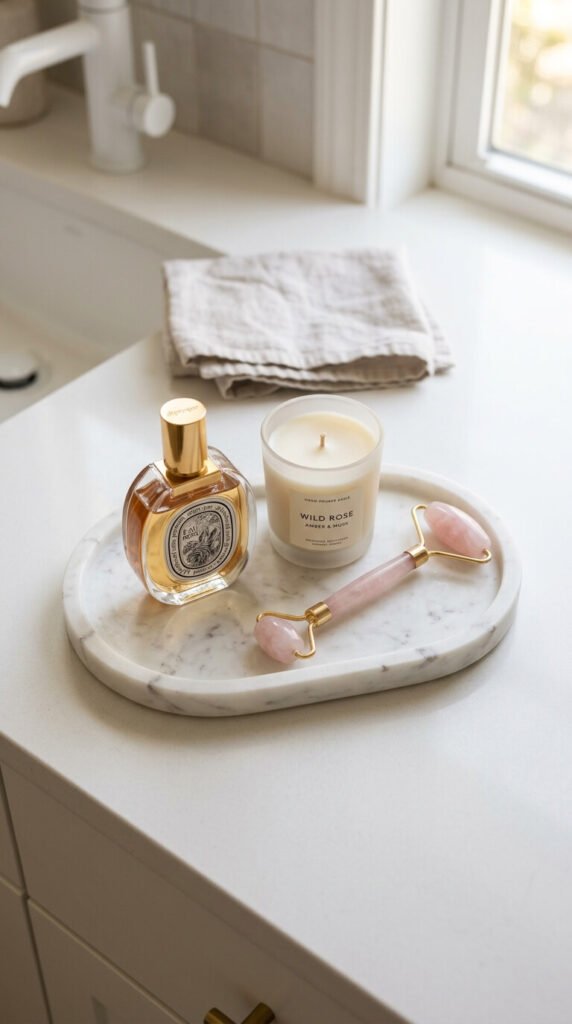
A marble tray on the bathroom vanity makes the whole counter feel organized. It corrals small items — perfume, rings, skincare — without using a drawer. Small marble trays start at $15–$35. Look for them at home goods stores, HomeGoods, or Etsy. The white and grey surface works in nearly every bathroom palette. It also protects the countertop from product rings and spills. Functional, elegant, and made of actual stone. That’s three reasons to own one.
23. Pebble Mosaic Garden Pot
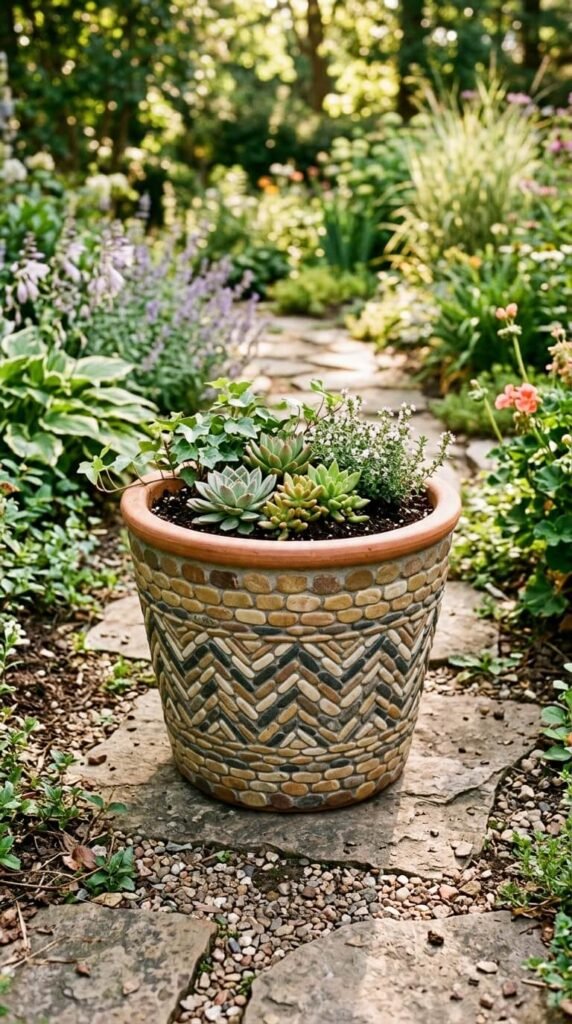
Gluing flat pebbles onto a plain pot is a beginner mosaic project. Use exterior tile adhesive and seal with outdoor grout for a weatherproof finish. Collect pebbles from a riverbed or buy a bag for $5. Work in sections so the adhesive doesn’t dry before you place the stones. Simple geometric patterns — stripes, chevrons, circles — work best for first attempts. Once sealed, the pot lives outdoors indefinitely. The result looks handmade in the best possible way.
24. Soapstone Cheese Board
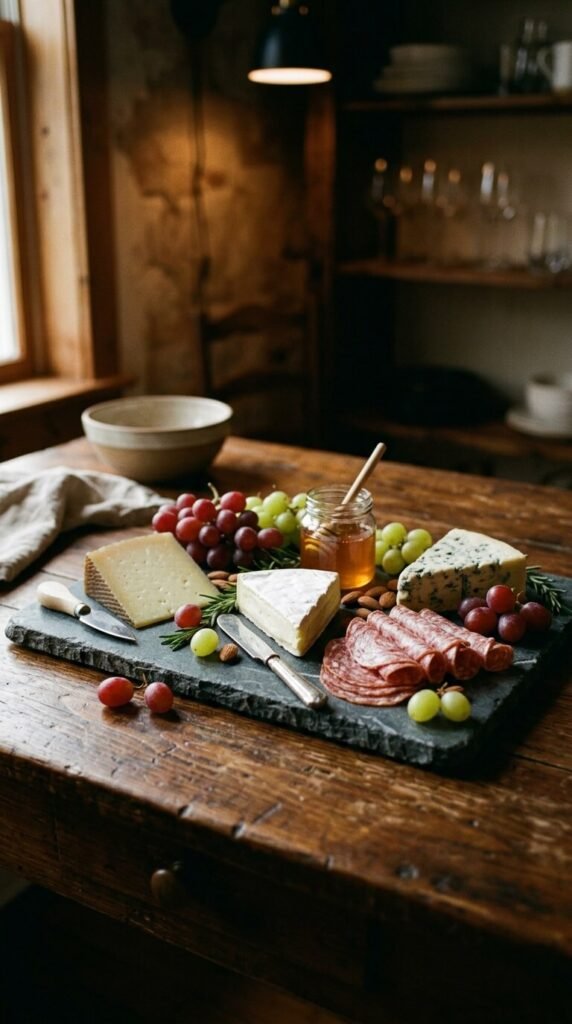
Soapstone is food-safe, naturally cool to the touch, and nearly maintenance-free. It makes an exceptional cheese board that also works as a serving surface for charcuterie. A soapstone slab costs $25–$60. It doesn’t harbor bacteria, doesn’t absorb odors, and wipes clean in seconds. Chill it in the refrigerator before serving — the stone holds the cold and keeps cheese fresh longer. Mark it with chalk to label cheeses. It’s the kind of piece that comes out for guests and becomes a conversation starter.
Conclusion
Stone doesn’t demand attention. It earns it slowly, quietly, over time. That’s what makes it so effective in a home — it grounds without overpowering, adds texture without noise. You don’t need a renovation budget or a designer to bring these elements in. A river stone in a vase, a soapstone board on the counter, a slate tile on the wall — each one does something real. Start with one piece that fits your space and your budget. Live with it. Notice what it does to the room. Then add another. Stone works best when it accumulates gradually, like it was always there.